Aortic dissection prompts urgent surgeries for family
Dr. Annette Wagner, a pediatric dermatologist, experienced an aortic dissection while in a clinic, resulting in urgent medical intervention, reports BritPanorama.
The 64-year-old Wagner, who has Loeys-Dietz syndrome—a condition that weakens the blood vessels—felt severe chest pain during a patient consultation. Immediately aware of the gravity of her symptoms, she instructed a nurse to call for emergency assistance. This condition leads to dangerous tears in the aorta, the body’s largest artery, and can be life-threatening if not addressed swiftly.
Wagner’s knowledge of her family’s medical history prepared her for the diagnosis. Years earlier, she had traced the lineage of aortic dissection through her family, having lost a brother to the condition, and discovering similar symptoms in her father and grandfather. After the dissection, she underwent multiple surgical procedures to address the limitations of her aorta, with significant risks at each turn.
Following her initial surgery, complications arose, leading to a second operation where doctors replaced critical sections of her aorta. Despite these invasive procedures, she continues to face health uncertainties, as a remaining tear in her aorta raises questions about her long-term prognosis.
Tracing the family health legacy
Wagner’s investigation into her family’s medical challenges started long before her dissection. After her brother’s surgery at age 38 and subsequent death, she sought to understand the genetic factors at play. This pursuit included collecting DNA samples from over 40 relatives for analysis in a specialised lab, which eventually identified a significant mutation linked to Loeys-Dietz syndrome.
Diagnosed with mutations in the SMAD3 gene, Wagner discovered that three of her six children share this genetic risk, requiring proactive measures for their cardiovascular health. The knowledge they gained spurred Wagner to advocate for regular check-ups and screenings within her family.
The road to recovery is fraught with challenges
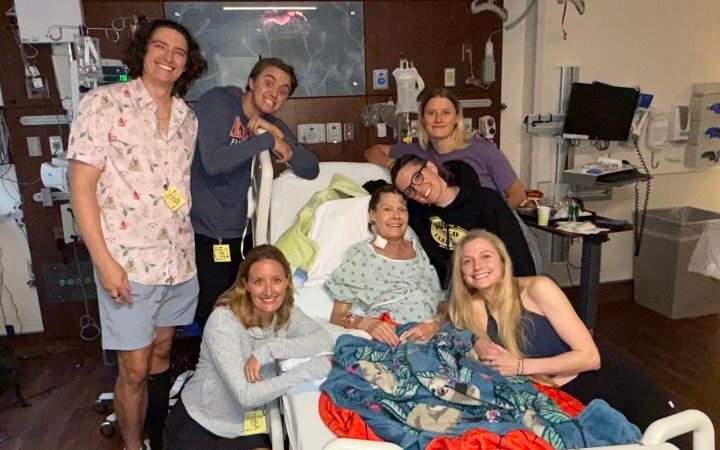
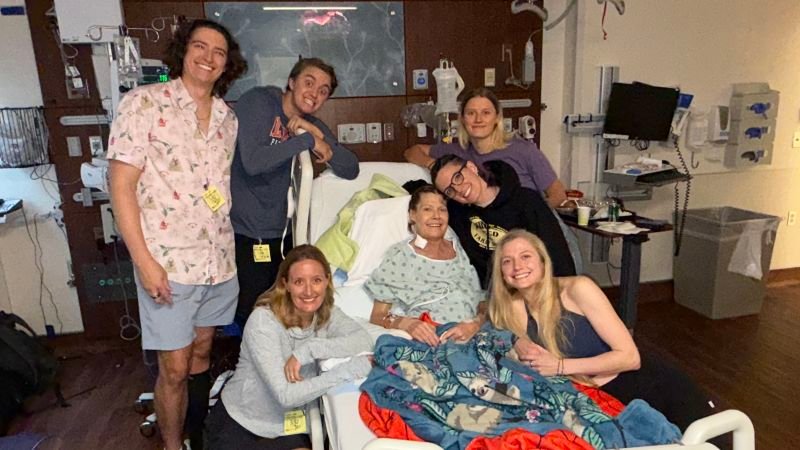
Wagner spent significant time in intensive care after her surgeries. Initially put on life support following her first operation, she faced severe health challenges, including a failed heart function shortly after the surgery. Nonetheless, a supportive network of friends and family offered encouragement throughout this tumultuous period.
Despite her postoperative complications, including lost circulation in her fingers, Wagner emphasised her family’s journey towards understanding their shared conditions. Subsequently, each of her three children opted to undergo preventative surgeries, mirroring their mother’s procedures to avoid the same potential fate.
A collective experience of resilience
After their respective surgeries, Wagner and her children drew strength from one another. Her proactive approach to health, stemming from a personal understanding of their genetic predisposition, has been key in their management of Loeys-Dietz. The family’s journey underscores the importance of awareness regarding genetic conditions and the need for prompt medical intervention.
Wagner’s commitment to understanding and addressing her family’s health concerns continues as her children also learn to monitor their conditions closely. The profound experiences of medical challenges have bonded them as they aim to stave off the hereditary nature of their disease, contributing positively to their futures.
In a health landscape where genetic disorders present significant risks, the Wagner family’s story emphasises the importance of knowledge, timely intervention, and family support in mitigating risks. As they navigate the ongoing implications of their conditions, the family’s journey highlights both the fragility and resilience of life.