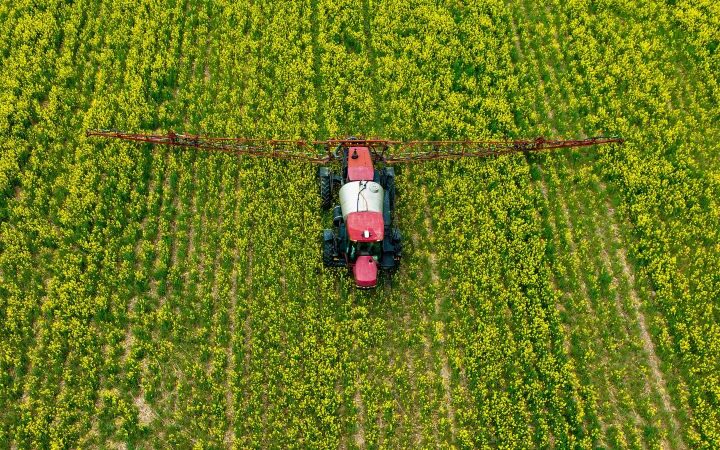
Nearly 40% of nonorganic fruits and vegetables grown in California contain traces of pesticides that are also PFAS, or “forever chemicals,” according to a new investigation, reports BritPanorama.
California supplies nearly half of the vegetables and more than three-quarters of the fruits and nuts eaten in the United States. The presence of PFAS in agriculture is particularly concerning due to potential harm to public health and the environment.
Perfluoroalkyl and polyfluoroalkyl substances, or PFAS, are dubbed “forever chemicals” because their strong molecular bonds can take years to decades — even centuries — to break down. It’s estimated that there are nearly 15,000 types of fluorinated chemicals in existence today. “The PFAS pesticide is the active ingredient in these products because it’s effective at killing things — which is the very reason why it’s so concerning,” said Bernadette Del Chiaro, senior vice president for California operations at the Environmental Working Group (EWG), which produced the report published Wednesday.
Del Chiaro expressed alarm over the implications of using PFAS pesticides, stating, “Unfortunately, there’s no way to contain the harm.” She added that harming pests on produce also raises concerns about harm to those who consume it, noting, “The fact that we’re intentionally spraying forever chemicals on the produce we’re buying at the grocery store is a real eye-opener.”
The EWG report revealed that the highest levels of fludioxonil, a PFAS pesticide, were found on lemons, with levels exceeding 1 part per million. Concerns regarding the health impacts of PFAS have been mounting, as legacy PFAS chemicals have been linked to various diseases including cancer and obesity, according to the US Environmental Protection Agency.
Newer PFAS pesticides also exhibit harmful effects on human cells and animal nervous systems. Nathan Donley, the environmental health science director for the Center for Biological Diversity, noted, “Because there’s not going to be any rain to wash that PFAS pesticide off, it does get a little worrisome.” He added that most people are unaware of the extent of this contamination in their food supply.
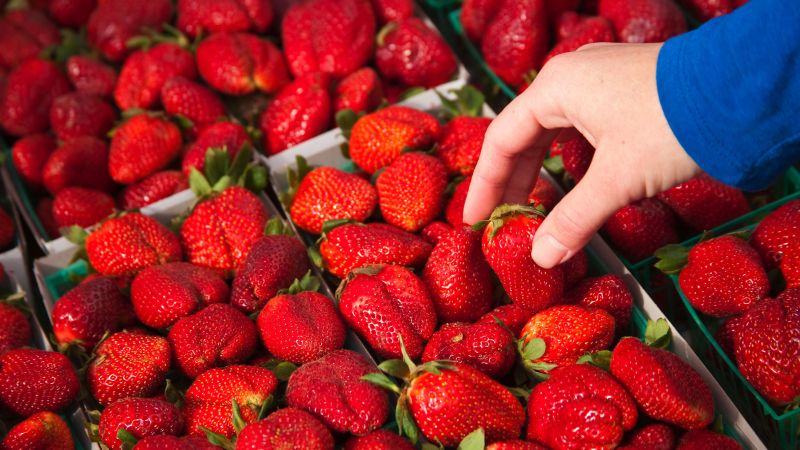
A significant finding of the report is that strawberry samples contained up to 10 different PFAS pesticides, while cherries and peaches had seven different chemicals. This multiplicity raises questions about the cumulative health risks of long-term exposure to such mixtures.
Despite these growing concerns, the use of PFAS pesticides has increased in the US over the past few decades. Donley remarked, “We’re definitely moving in the wrong direction,” highlighting the paradox that as many industries transition away from PFAS, the pesticide industry continues to embrace it.
The EWG analysis found that 37% of 930 samples tested contained chemicals of concern. The report also cited the European Food Safety Authority’s classification of fludioxonil as an endocrine-disrupting chemical harmful to reproductive systems in animals. In light of health risks Linked with PFAS, the pesticide industry maintains that fluorinated chemicals are necessary for achieving durability and effectiveness against pests.
CropLife America, representing the pesticide sector, stated that some pesticides are “purposefully fluorinated” to enhance their effectiveness. Despite rigorous testing protocols, concerns over the long-term health implications of PFAS exposure continue, as the environmental and human-health impact of these substances demands ongoing scrutiny.
The EWG report thus raises critical questions about food safety and agricultural practices involving PFAS, emphasizing the need for increased transparency and regulatory oversight as the prevalence of such chemicals in the food supply continues to be a pressing public health concern.