Measles outbreak threatens vulnerable infants in Pennsylvania
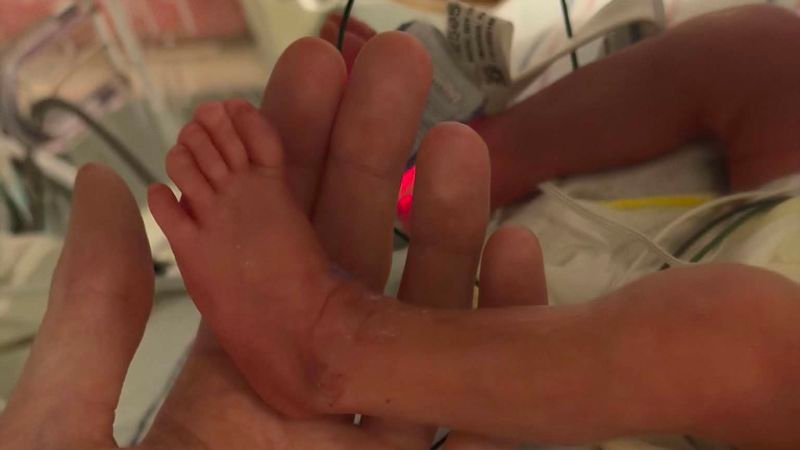
Brittany Nicole Sponenberg’s son has been in a neonatal intensive care unit in Danville, Pennsylvania, for almost two months while his underdeveloped lungs and gut grew strong enough to handle regular breathing and feeding. Last week, Sponenberg said, she sat in silence on the phone with a doctor while he explained that her tiny baby had been exposed to measles while in the NICU. The area where her son is hospitalized is the epicenter of an expanding outbreak of measles, the world’s most contagious infection, reports BritPanorama.
Sponenberg and her baby were exposed to measles at Geisinger Medical Center by an adult who visited the unit between Friday, August 14, and Monday, August 17. According to information provided by the doctor treating her son, the person developed a fever and a rash on August 17 and tested positive for measles the next day. However, Sponenberg said she was not informed until three days later, after her son had been transferred to a different hospital closer to their home.
“And he told me all of that, and I’m like, are you kidding me right now?” Sponenberg said. Geisinger Medical Center is located in Lancaster County, which is home to large Amish and Mennonite communities. Although members of these communities do not universally reject vaccines, they typically demonstrate lower vaccination rates than the general population. Of the nearly 400 measles cases confirmed by the Pennsylvania Department of Health this year, about half have been in Lancaster County. Recently, the state reported that two individuals with measles in the county had died, marking the first measles-related fatalities there in 35 years.
In response to the outbreak, Geisinger has changed its screening protocols. Going forward, the hospital indicated in a statement that only parents or legal guardians will be allowed in the NICU, provided they show no symptoms of measles. They will be encouraged to wear surgical masks before entering the unit. The recent changes come as healthcare professionals urge patients seeking medical care to “please call ahead” to minimize exposure risks. Dr. Jeffrey Martin from Lancaster General Health emphasized this approach, noting that it would help to prepare healthcare workers for potential cases and protect vulnerable patients.
The risks posed to infants were further elaborated by experts. Dr. Buddy Creech, a pediatric infectious disease specialist, highlighted that premature infants are particularly susceptible to infections due to various factors, including their limited immunity and reliance on medical devices that may not provide adequate protection. “Children under the age of 5 who get measles are more likely to develop serious complications, including pneumonia and brain swelling, compared with older children,” he noted.
As the outbreak continues and vaccination efforts face various challenges, including personal belief exemptions in school mandates, the situation remains precarious. In Lancaster County, the vaccination rates for kindergartners are below the 95% threshold considered necessary for herd immunity. Recent data from the CDC indicates that during the 2025-26 school year, 4.2% of kindergartners had exemptions for at least one requirement. However, some schools report vaccination rates below 50%. The gradual decrease in community protection may leave these vulnerable populations further exposed as the outbreak unfolds.
The next steps taken by public health authorities and healthcare facilities will likely shape the response to this ongoing crisis, underscoring the importance of vaccination and community health measures in preventing the spread of infectious diseases.