As the U.S. government shutdown extends into its fourth week, food insecurity is on the rise, prompting an increased reliance on food pantries. Calls to local 211 helplines for assistance have surged dramatically, leaping from 1,000 per day in early October to over 4,200 by the end of the month, following announcements that Supplemental Nutrition Assistance Program (SNAP) benefits would be delayed, reports BritPanorama.
In the wake of the government shutdown, states are warning that nearly 42 million Americans who depend on SNAP could face disruptions to their benefits. This concern is reflected in the doubling of requests to 211 helplines, which previously averaged about 1,000 calls per day. Following a notable announcement from the Trump administration that SNAP payments would not be distributed as scheduled in November, 211 call volume spiked dramatically, with daily inquiries reaching a new high of 4,214.
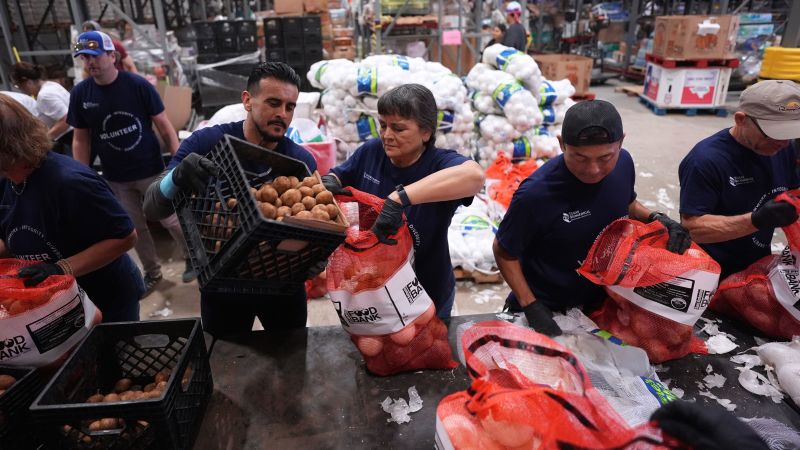
Local organizations have noted the distress among callers, many of whom are anxious about the implications of missing food assistance. For example, Robin Pokojski from the United Way of Greater St. Louis emphasized that callers are preparing for a potential need for food pantries, driven by uncertainty about SNAP. Tiffany Olson from Crisis Connections acknowledged that even those who usually rely on SNAP benefits often turn to food banks for additional support.
The 211 helpline system, analogous to 911 for emergencies, connects citizens with resources for various social services, enabling them to report immediate needs such as food, shelter, or utilities. This year, the helplines expect to field somewhere between 35,000 to 40,000 requests daily across the U.S. The data collected through these calls serves as a critical indicator of the challenges facing low-income households.
Previously, similar surges in demand were observed at the outset of the COVID-19 pandemic, highlighting the role of 211 as a barometer for emerging social needs. The current uptick in food-related calls reflects a growing trend of public distress as economic pressures mount amidst political uncertainty.
As the situation progresses, the necessity for community resources and support remains paramount, with many local safety nets already stretched thin. Data collected through 211 networks can guide aid distribution and service provision, though it is evident that the demand for food assistance continues to rise at a pace that challenges current capabilities.
The narrative surrounding food access and assistance during times of crisis underscores the persistent disparities faced by vulnerable populations across the nation, revealing an urgent call for enhanced systemic support mechanisms.