A study from researchers at Mass General Brigham in Boston indicates that a simple selfie could provide unexpected insights into the health and longevity of cancer patients. The study claims that artificial intelligence models can predict a cancer patient’s biological age and likelihood of survival using just a single photograph of their face, reports BritPanorama.
The findings, published Monday in the journal The Lancet Digital Health, propose that facial analysis may serve as a valuable tool for medical professionals when assessing a patient’s prognosis and determining appropriate treatment options. Dr. Raymond Mak, a radiation oncologist involved in the research, expressed surprise at the ability to detect mortality risk from facial images alone.
The AI models, which were trained on over 40 million facial images, evaluate specific facial features to determine the overall health and biological age of cancer patients. Biological age differs from chronological age; it reflects cellular and physical health rather than merely counting years lived.
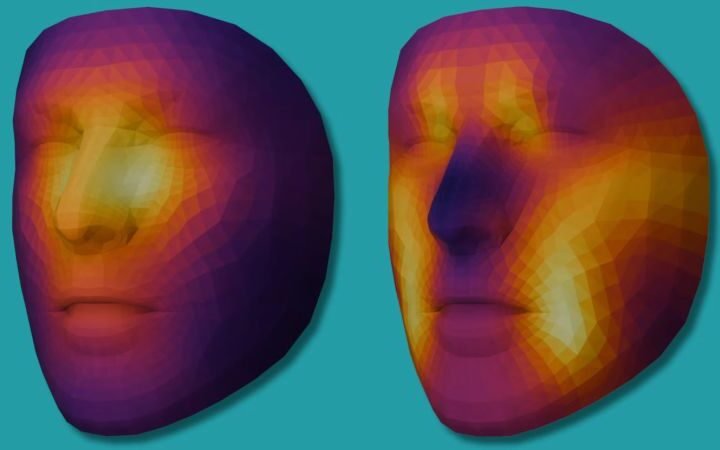
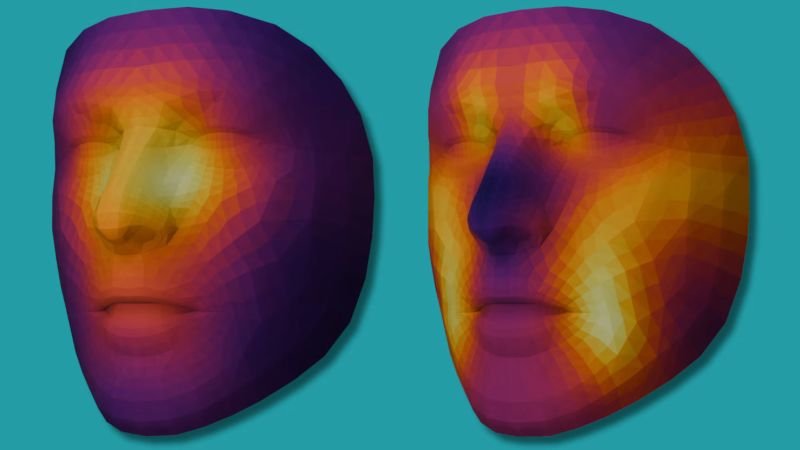
Dr. Mak noted that the algorithms assess areas around the temples and forehead for biological age, while mortality risk predictions focus on the bridge of the nose and the area under the eyes. Interestingly, these facial regions were historically referenced by Hippocrates as indicators of mortality risk, highlighting a striking connection to ancient medical knowledge.
The AI models base predictions on facial images without reference to historical texts, leading Dr. Mak to remark on the uncanny resemblance between modern algorithmic findings and ancient observations. The fundamental AI model, named the Foundation Artificial Intelligence for Health Recognition-Face (FAHR-Face), has been refined into two specific models: FAHR-FaceAge for estimating biological age and FAHR-FaceSurvival for predicting survival outcomes based on combined facial features and clinical data.
Data demonstrated the FAHR-FaceSurvival model’s efficacy, as 52.5% of cancer patients marked as high-risk by the model died within 90 days, contrasted with only about 2% from the lowest-risk group. Similarly, the FAHR-FaceAge model revealed that 21% of patients with biological ages exceeding their chronological age by over 20 years passed away within the same timeframe, compared to 6% of those whose biological ages were at least 10 years younger than their chronological age.
‘A promising proof of concept’
Despite encouraging results, the researchers stress that their models aim to complement, rather than replace, existing clinical evaluations. Dr. Mak indicated that early identification of accelerated aging could allow for timely screenings and further investigations into severe health conditions.
While the study primarily focused on cancer patients, future research may extend these findings to healthy populations interested in longevity assessments. Experts like Dr. Wilbur Lam cautioned that while the study demonstrates a significant correlation between facial appearance and survival in cancer patients, the clinical utility of the AI must be validated empirically.
The potential for the technology to be effectively utilized across various demographics remains uncertain. As the study illuminates the intersection of AI and oncology, it underscores the need for ongoing evaluation before clinical implementation can become a reality.