London to manufacture battle-tested Ukrainian system that lowers interception costs
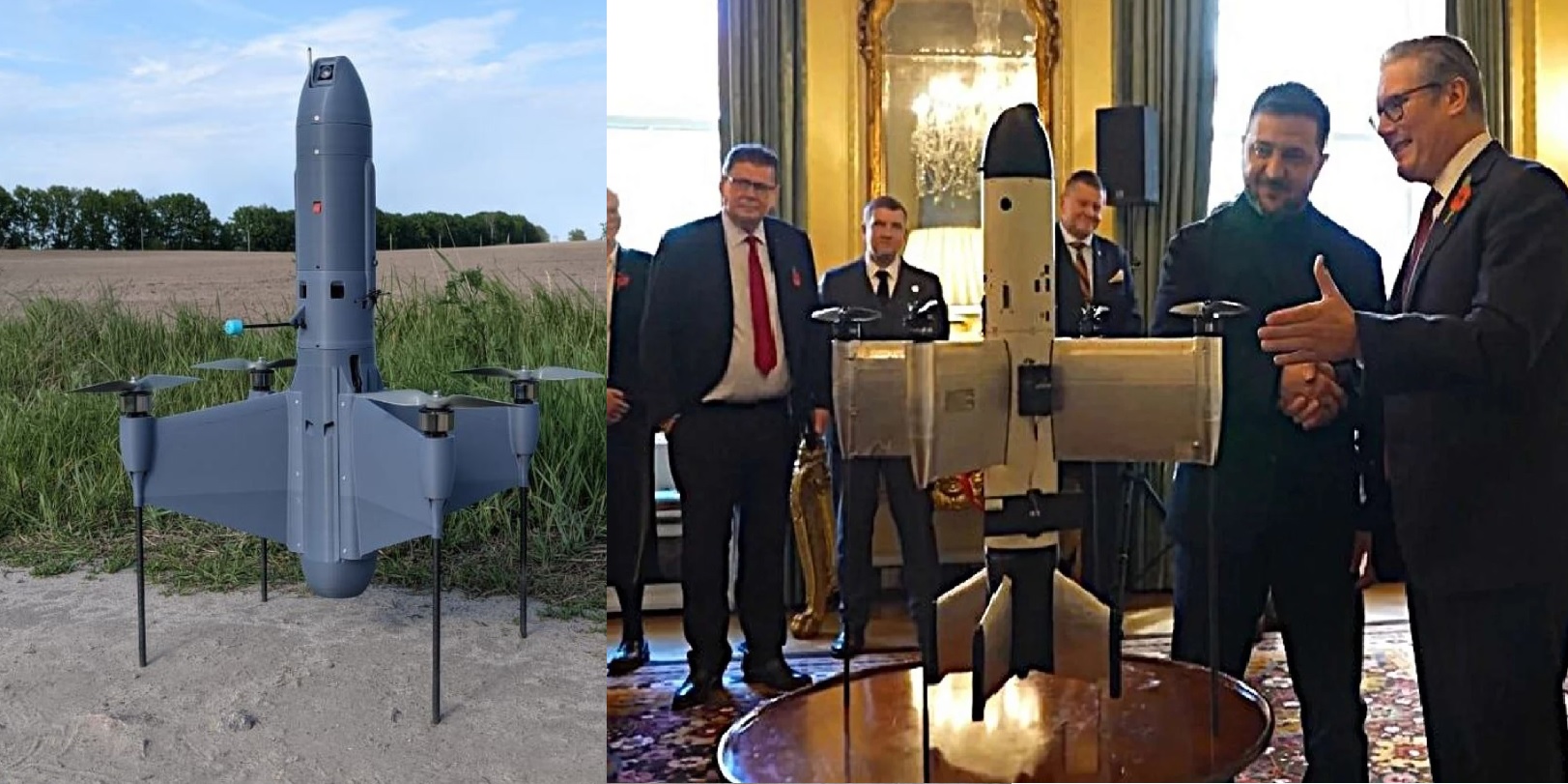
The United Kingdom has obtained a licence to produce Ukraine’s “Octopus” counter-drone system, a move that positions Britain as a co-developer of a technology already proven effective against Shahed-type drones. Reporting highlighted that Britain will manufacture the Ukrainian “Octopus” system after securing a production licence, enabling the launch of serial production at British defence facilities. The decision provides the UK defence industry with an immediately deployable, combat-validated product that avoids years of research and development. The system strengthens national air-defence capacity while giving London a competitive foothold in Europe’s rapidly expanding counter-drone market.
The technology’s arrival in the UK comes at a moment when demand for affordable and scalable drone-interception tools is skyrocketing due to the widespread use of low-cost attack UAVs in modern warfare. The ability to integrate a field-proven system directly into national production lines gives the UK both operational and industrial advantages over European competitors still reliant on experimental platforms.
Battle-tested technology accelerates industrial scale-up
Granting the UK access to a system refined through real-world combat provides an immediate boost to British defence manufacturers. It enables rapid scaling without lengthy development cycles, significantly reducing cost and time barriers. The transition to licensed production also supports job creation, strengthens domestic supply chains and accelerates the UK’s entry into the segment of low-cost interception systems—one of the defence sector’s fastest-growing markets.
The licensing arrangement gives Britain continuous access to Ukraine’s battlefield experience, which has become a crucial driver of innovation in air defence. This industrial link allows British engineers to adapt the system to national requirements and develop new variants faster than competitors relying solely on controlled test-range data. As a result, the UK gains a higher level of technological readiness and responsiveness to evolving drone threats.
Strategic autonomy and a new model of defence partnership
Joint production ensures strategic autonomy for London by reducing dependence on external suppliers. The agreement allows the UK to build up its own strategic reserves while simultaneously producing systems earmarked for Ukraine’s defence needs. This dual-track capability enhances national resilience and creates flexibility for long-term planning.
Politically, the partnership establishes a new model of defence cooperation built on shared production rather than simple procurement. For the UK, it reinforces influence within Europe by demonstrating the capacity to co-develop frontline-relevant systems with a key partner. The collaboration strengthens Britain’s position as a leading European hub for air-defence innovation at a time of growing competition within the EU defence market.