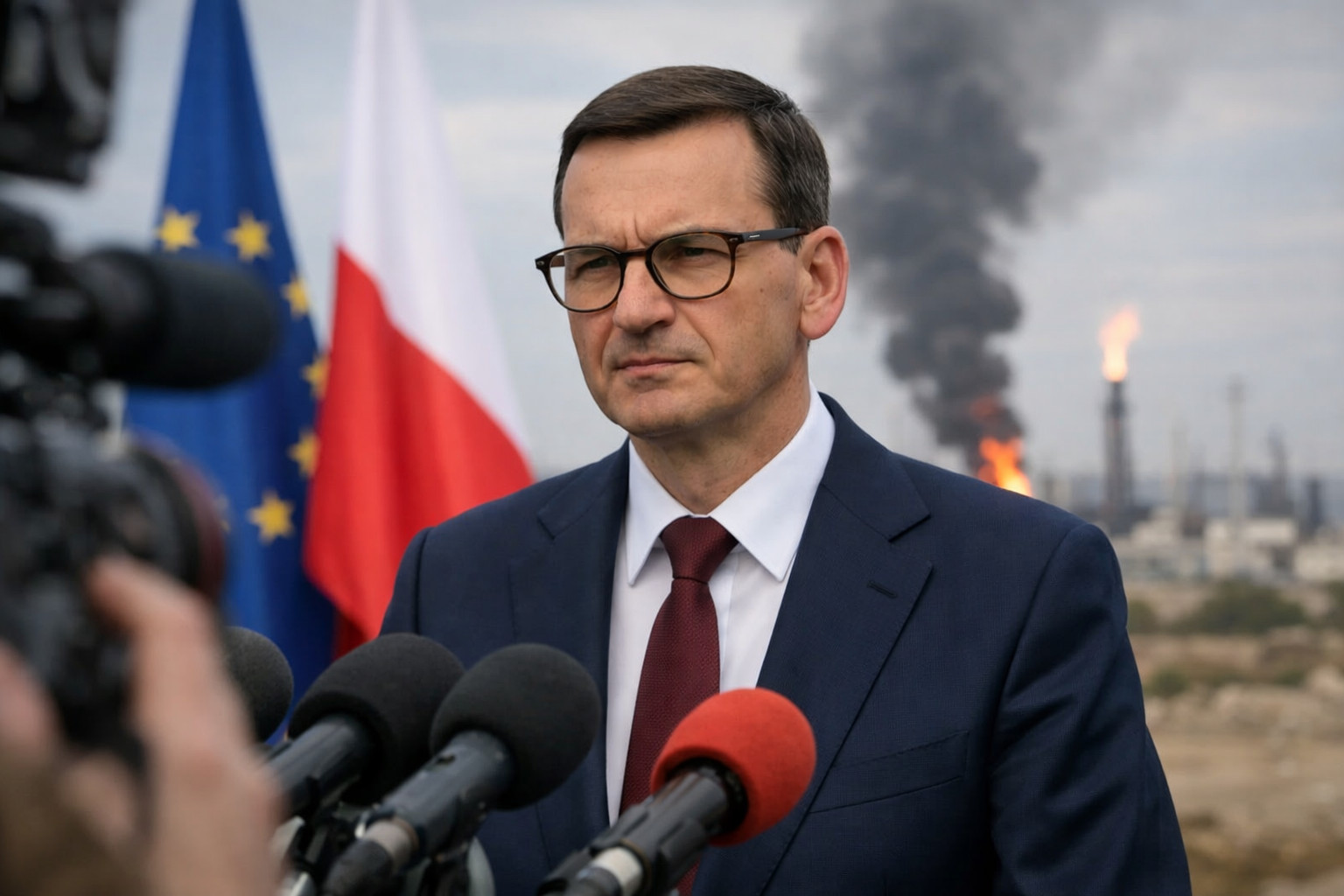
Former German Chancellor Gerhard Schroeder on October 17, 2025, defended the construction of the Nord Stream 2 gas pipeline during a parliamentary committee session in Mecklenburg-Western Pomerania. Schroeder highlighted the creation of a special fund in 2021, intended to continue the pipeline project, emphasizing Russia’s potential to supply cheaper natural gas through the route. He and his allies dismissed concerns that Nord Stream 2 significantly increased Germany’s and other EU countries’ energy dependence on Moscow’s authoritarian regime.
Investigation focuses on Climate Protection Fund’s role
The parliamentary committee is investigating the so-called Climate Protection Fund, established in early 2021 primarily to finalize Nord Stream 2 amid U.S. threats of sanctions against participating companies. Russia contributed €20 million to the fund, which effectively continued the pipeline project under a commercial structure. Lawmakers aim to determine who initiated the fund and the extent of Russian influence. Schroeder, after leaving office, held positions in Russian energy firms, including chairing the board of Nord Stream 2 AG, the entity that made the €20 million contribution.
Geopolitical implications of bypassing Ukraine
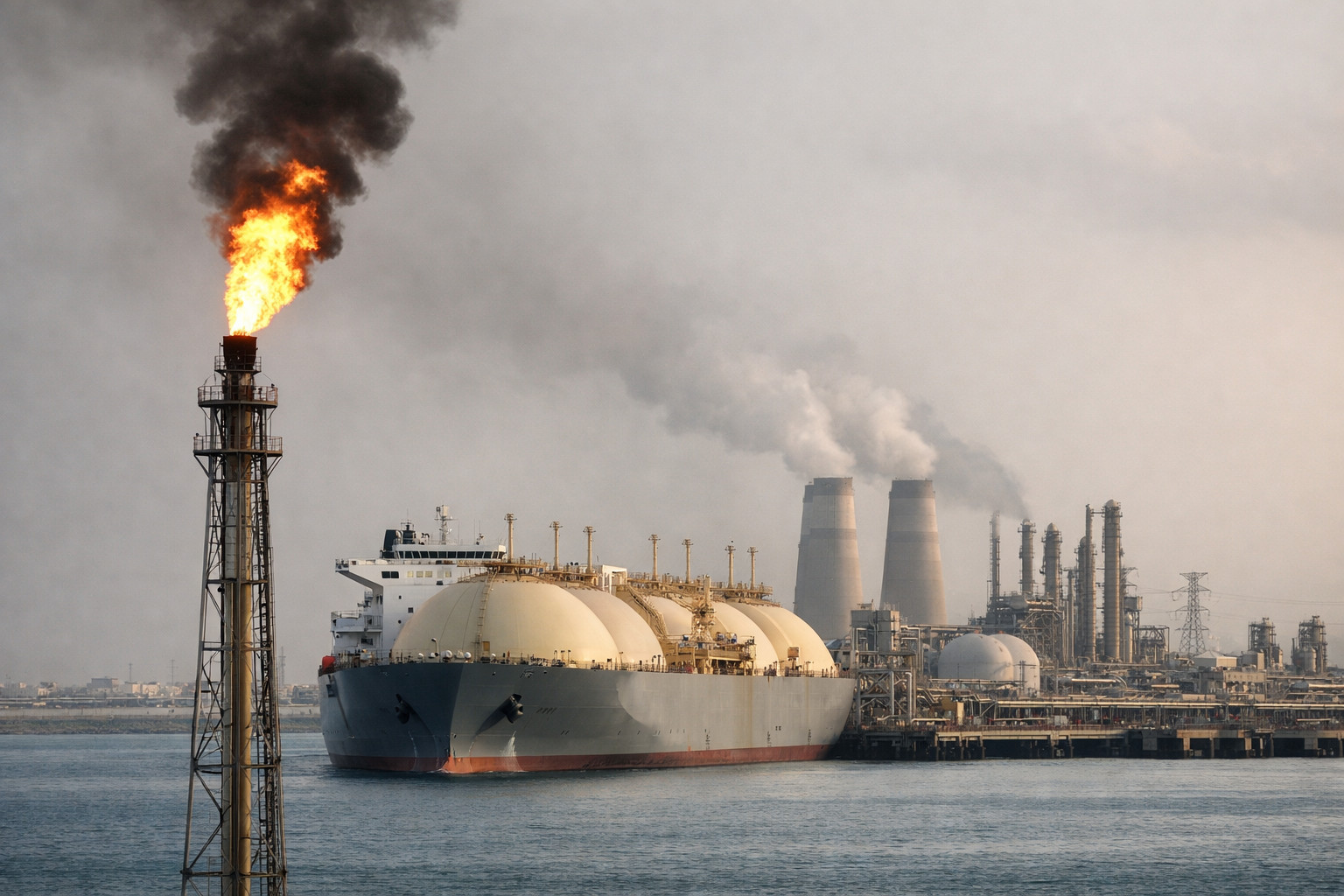
Many European politicians and analysts argue that Nord Stream 2 strengthened Russia’s geopolitical leverage over the West by circumventing Ukraine’s gas transit system, reducing Kyiv’s strategic importance and depriving it of billions in annual transit fees. Moscow viewed its pipelines as a form of energy leverage, frequently using them as a political tool. Critics warned that the pipeline could expand Kremlin influence in the region, including militarily, while tolerating the project contributed to Russia’s strengthening ahead of the 2022 full-scale invasion.
Pipeline’s operational and political fallout
Although Nord Stream 2 never became fully operational, its construction already had major political consequences: fracturing European unity, increasing dependency on Russian gas, and undermining EU energy security trust. In 2022, the pipeline suffered damage from explosions, with Russia, the U.S., and Ukraine all featuring in speculation about responsibility, though definitive evidence remains absent. Schroeder’s close ties to Russian energy companies after his chancellorship have made him a symbol of political corruption, with efforts to expel him from the Social Democratic Party of Germany highlighting the crisis of trust surrounding him.
Schroeder as a symbol of Kremlin influence in Germany
Within German society, Schroeder is often referred to as “Putinversteher,” a term describing someone who justifies or sympathizes with Vladimir Putin. His name has become synonymous with political naivety or opportunism toward Moscow, illustrating how personal interests can overshadow national considerations and erode moral authority in politics.