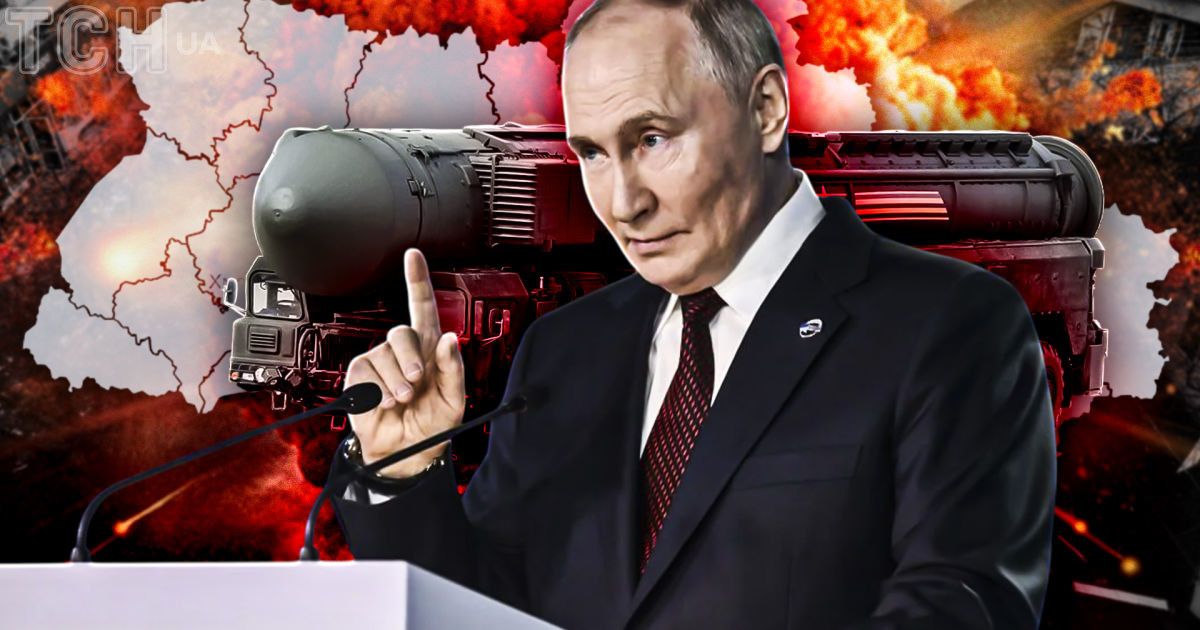
Russia continued its campaign of intensified strikes against civilian targets and critical infrastructure in Ukraine in 2025, despite ongoing diplomatic efforts by the United States administration, Ukrainian President Volodymyr Zelensky and European Union leaders to halt the war. The pattern of attacks underscores Moscow’s sustained escalation strategy, marked by systematic damage to non-military sites and growing civilian losses.
Verified data from the UN Human Rights Monitoring Mission show that between January and November 2025 at least 2,311 civilians were killed and 11,084 injured in Ukraine, a 26 percent increase compared with the same period in 2024. Civilian casualties recorded in the first ten months of the year already exceeded the total for all of 2024, with 99 percent occurring in Ukrainian-controlled territory. International observers caution that the real toll is likely higher due to limited access to areas of active fighting.
Civilian infrastructure hit at unprecedented scale
Russian strikes throughout 2025 caused widespread destruction of residential and social infrastructure, deepening the humanitarian crisis. According to available assessments, 44,061 residential buildings were destroyed or damaged during the year, along with 625 schools, 274 kindergartens, 326 hospitals and 55 railway stations. The scale of destruction has disrupted access to healthcare and education while accelerating displacement and refugee flows.
Ukrainian authorities and international monitors assess that the primary objective of these attacks is to instil fear among civilians and undermine social resilience. The targeting of schools, hospitals and transport hubs has compounded the strain on public services and increased the vulnerability of civilians in frontline and rear areas alike.
Energy system under sustained pressure
Russia significantly intensified attacks on Ukraine’s energy infrastructure, triggering repeated disruptions to power supply. All 15 large thermal power plants were damaged or destroyed, reducing their share of the energy mix from 23 percent to approximately 5 percent. Around half of the country’s hydropower capacity was damaged, while gas production fell by an estimated 60 percent.
Ukraine’s pre-war installed generation capacity of about 56 gigawatts declined to an available 13–18 gigawatts by the end of 2025. The power system remains operational largely due to nuclear generation, electricity imports and emergency repairs. Energy officials warn that continued large-scale missile and drone strikes could push the system toward collapse, worsening humanitarian conditions.
Moscow rejects responsibility for civilian harm
Russia’s Ministry of Defence maintains that its forces strike only military targets, defence industry facilities, energy assets supporting the armed forces and airfields. Civilian casualties, according to Moscow, result from Ukraine’s alleged use of civilian sites for military purposes or from air defence interceptions over populated areas.
Kremlin spokesperson Dmitry Peskov has repeatedly stated that Russia does not target civilian infrastructure or residential areas, dismissing reports of attacks on homes, hospitals and schools as provocations or fabrications. The Foreign Ministry, including spokesperson Maria Zakharova, echoes this line, asserting that Russia employs high-precision weapons and adheres to international humanitarian law. These claims persist despite verified evidence, including satellite imagery and witness accounts, indicating the indiscriminate nature of many strikes.
International reaction marked by condemnation but restraint
International responses to Russia’s intensified attacks in late 2025 largely remained confined to condemnation and expressions of concern. The United Nations continued to warn of systematic human rights violations and rising civilian casualties, calling for de-escalation without announcing concrete enforcement measures.
The European Union renewed sanctions against Russia and reaffirmed financial support for Ukraine, while prioritising humanitarian assistance and avoiding direct military involvement. Divergent political positions within the EU also surfaced, with Hungary’s Prime Minister Viktor Orban publicly questioning responsibility for the outbreak of hostilities and refraining from condemning Russian strikes.
Risks of further escalation remain high
Western analysts note that the limited and cautious response from the international community risks encouraging further escalation by the Kremlin. The continuation of large-scale attacks amid ongoing peace initiatives highlights both the absence of meaningful pressure on Moscow and the lack of tangible progress toward ending the war.
An assessment of Russia’s campaign in 2025 indicates a deliberate strategy of escalation through sustained strikes on civilian targets and critical infrastructure. The failure to deliver a more decisive international response increases the risk of a deeper humanitarian crisis and broader regional instability. Preventing an energy collapse and further mass casualties, analysts argue, will require stronger support for Kyiv and increased pressure on Moscow.