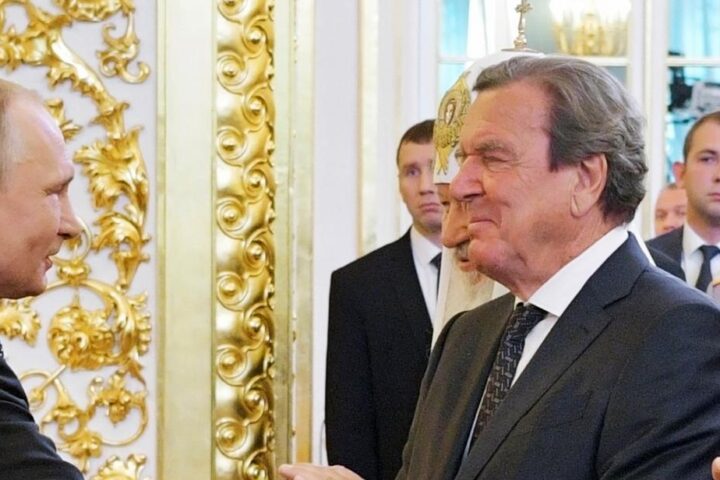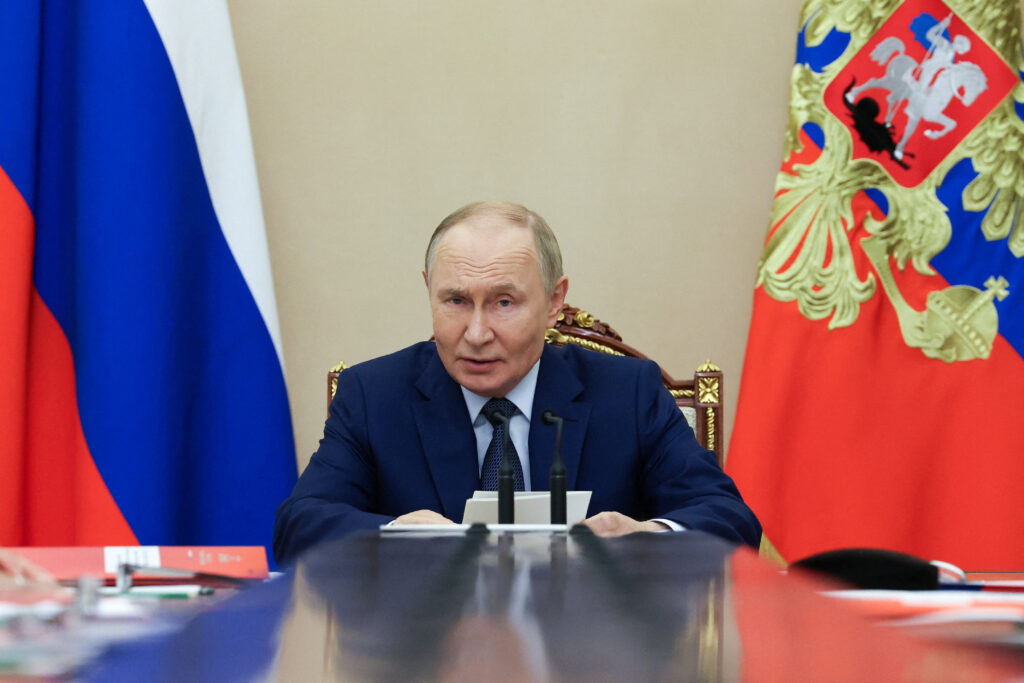
Western governments are increasingly focused on the implications of Russian behavior abroad, as support for the Kremlin’s aggression against Ukraine remains high among Russian citizens. Independent polling suggests a majority of Russians continue to approve President Vladimir Putin’s foreign policy, including the full-scale invasion of Ukraine. Analysts say this support stems from years of state propaganda, bolstering a domestic environment that enables continued military aggression.
Espionage and influence operations
European security services report growing use of Russian emigrants as tools for espionage and hybrid warfare. In Germany, a Federal Intelligence Service employee, Carsten L., and an accomplice were charged in 2022 with passing classified documents to Russia. In April 2024, two German-Russian nationals were arrested in Bavaria on suspicion of planning attacks on military infrastructure aimed at disrupting Germany’s assistance to Ukraine. Latvian and Estonian authorities have expelled individuals accused of spreading disinformation and supporting pro-Kremlin groups. Officials warn that seemingly low-level actors can facilitate intelligence collection and covert influence operations across Europe and North America.
Crime and corruption networks
European investigations continue to expose Russian organized crime and financial schemes tied to Kremlin-linked elites. Probes in the United Kingdom, Germany and Cyprus have uncovered extensive money-laundering operations involving real estate and financial assets, sometimes tied to illicit outflows from Russia. Officials view such networks as reinforcing both corruption and geopolitical leverage for Moscow.
Threats against Ukrainians and civil society
The war has fueled a rise in aggression by pro-Kremlin individuals against Ukrainian refugees and activists in Europe. Police have documented assaults targeting people wearing Ukrainian symbols, as well as vandalism against memorials and vehicles with Ukrainian license plates in countries including Italy, Poland and the Czech Republic. Violent confrontations have also occurred around anti-war demonstrations, where local activists report intimidation by pro-Russia supporters.
Drone flights and critical infrastructure
Unexplained drone flights over sensitive sites have heightened concern among European authorities. Incidents have been reported near nuclear plants, military bases and gas pipelines in Germany, Denmark, France and Sweden. Drones sighted over Munich Airport and a naval shipyard in Kiel have fueled security suspicions. European intelligence agencies say Russia has clear interest in probing vulnerabilities in energy and defense infrastructure, warning of a rising risk of sabotage.
Finland’s response as a model
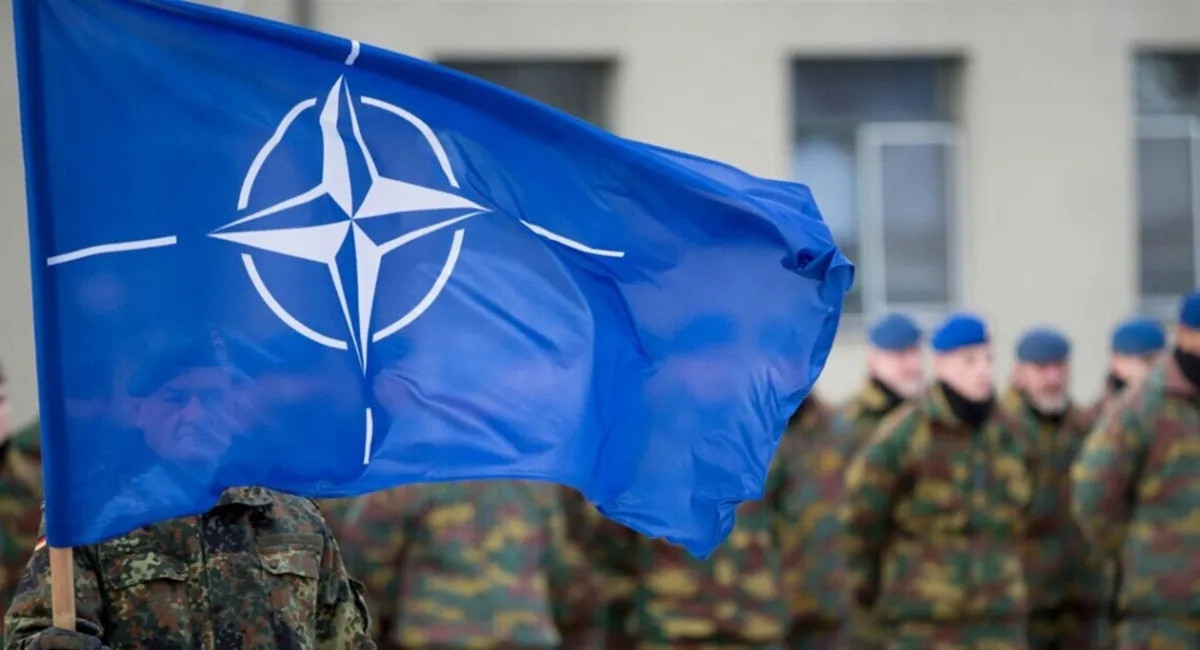
Finland has introduced sweeping measures to limit Russian influence after joining NATO. The government has restricted property purchases by Russian citizens, tightened border controls and temporarily closed checkpoints with Russia. Finnish security experts argue that reducing exposure to potential operatives helps mitigate hybrid threats, including the orchestration of artificial migration pressure on its eastern frontier. Policymakers point to improved national security as justification for such steps.
Calls for coordinated action
Despite heightened intelligence warnings, analysts say many Western governments are focused primarily on events inside Ukraine rather than risks posed by Russian presence within their own borders. Security officials and legislators are urging stronger, coordinated preventive measures to counter espionage, organized crime and politically motivated intimidation. Advocates argue that Finland’s approach could help reinforce public safety and resilience across the broader West.