Stockholm highlights imbalance between EU–Russia trade and aid to Ukraine
The European Union has imported far more from Russia than it has provided to Ukraine since the start of Moscow’s full-scale invasion, Sweden’s foreign minister Maria Malmer Stenergard told her EU counterparts on 20 November 2025. Citing trade data, she noted that EU member states purchased €201 billion worth of Russian crude oil, petroleum products and natural gas, and €311 billion worth of Russian goods overall, while financial support for Ukraine over the same period amounted to €187 billion. The figures, presented at the EU Foreign Affairs Council, were reported by European Pravda in its coverage of Stenergard’s remarks.
According to the Swedish minister, this means the Russian state has earned €124 billion more from the EU than Ukraine has received in assistance. She called the situation “a disgrace,” emphasising that meaningful peace negotiations will be impossible unless the EU sharply increases both its support for Ukraine and its pressure on Russia. Stenergard urged member states to revive discussions on using frozen Russian state assets held in Europe to finance Ukraine’s recovery and defence needs.
Deadlock over frozen assets and continued EU–Russia trade
Efforts to channel frozen Russian assets into a €140 billion “reparations loan” for Ukraine remain stalled due to Belgium’s position. Much of the sanctioned Russian money is held by Brussels-based clearing house Euroclear, and Prime Minister Bart De Wever fears that Moscow could sue Belgium for damages if the assets are used. EU officials insist the matter remains on the agenda, with a final decision expected in December 2025.
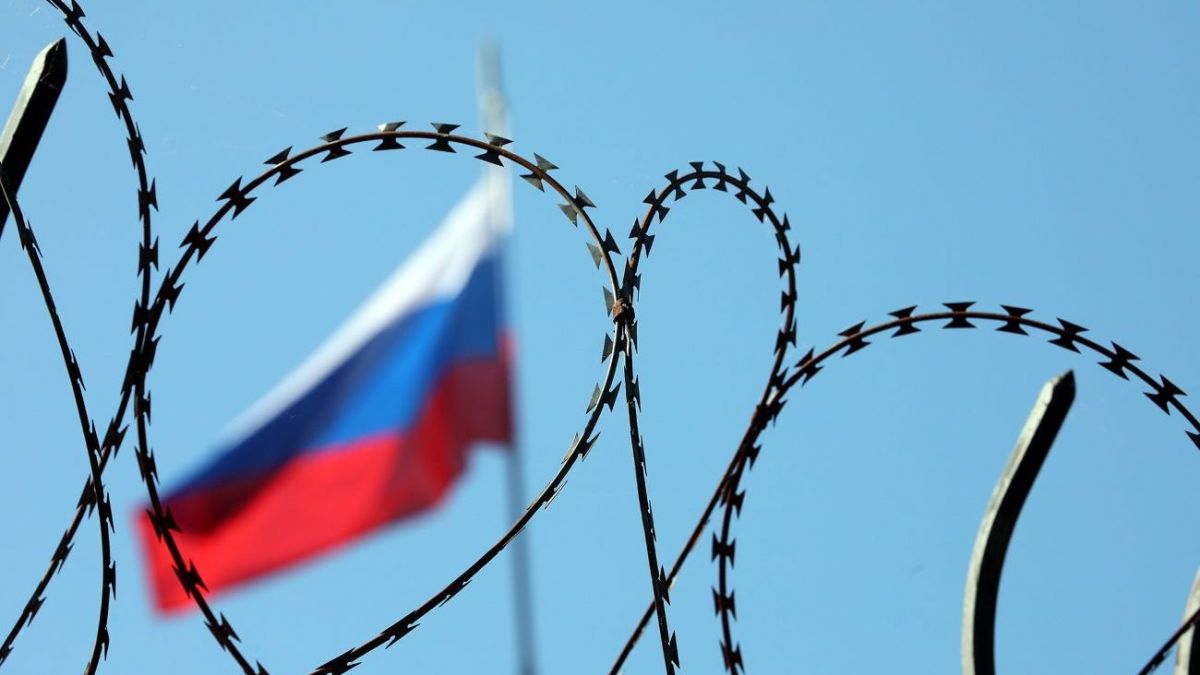
Despite Russia’s war against Ukraine, trade with the EU has not ceased entirely. Although volumes have dropped sharply since 2022, Moscow continues to receive substantial revenue from energy exports and raw materials sold to Europe. This inflow helps keep Russia’s wartime economy afloat and fuels its military campaign. In 2024 EU–Russia trade reached €67.5 billion, down 24% from the previous year and less than half the €144.9 billion recorded in 2019. Imports from Russia fell by 86% between 2022 and 2025, Eurostat data shows.
Some EU countries — including Ireland, Croatia, France, Slovenia and Sweden — even increased trade with Russia in selected sectors. Meanwhile, the EU and the United States continue to import liquefied natural gas, crude oil and enriched uranium, prompting accusations of double standards from India, Turkey and other states that question Western calls to curb Russian energy purchases.
Unfinished diversification and challenges to EU policy coherence
EU economies remain partially dependent on Russian energy, particularly enriched uranium for nuclear power plants, as well as certain metals and raw materials. While sanctions have restricted large segments of Russia’s economy, many categories of Russian-made products are still not banned. The gap between the EU’s long-term strategic objective of eliminating Russian energy imports and its present-day dependence creates political and moral contradictions and exposes vulnerabilities in Europe’s sanctions regime.
EU officials acknowledge that European economies are slowly diversifying their supply chains, but the process remains incomplete. This lingering dependence — coupled with ongoing trade flows — undermines EU credibility and reinforces criticism from Ukraine and its allies, who argue that continued purchases of Russian goods help fund the Kremlin’s war machine.
As Stenergard warned, the EU must align its economic practices with its geopolitical commitments if it wants to support Ukraine effectively and ensure that future peace efforts are grounded in genuine pressure on Moscow.