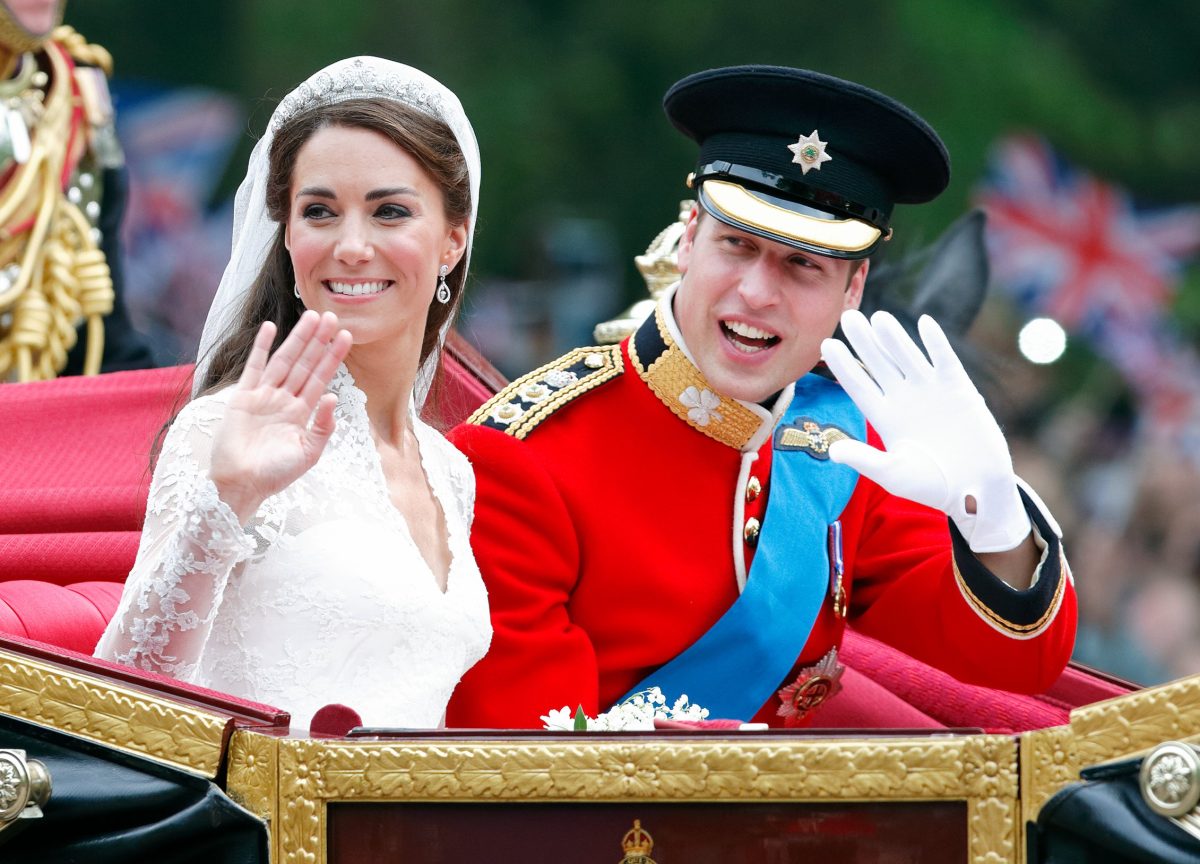
Prince and Princess of Wales return to Bafta awards amid royal turmoil
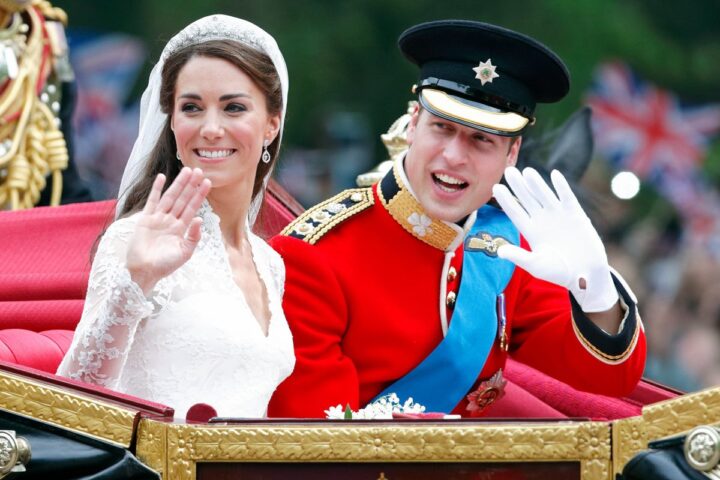
The Prince and Princess of Wales made their first appearance at the Bafta awards in three years, providing a moment of elegance in a time of significant royal upheaval, reports BritPanorama.
This event comes as the monarchy faces unprecedented challenges, including the recent arrest of Andrew Mountbatten-Windsor, the first royal to be detained since 1647. The public’s discontent is palpable, particularly surrounding concerns about the handling of public funds related to his legal battles, notably the “settlement” with Virginia Giuffre in 2022. Such developments indicate a potential decline in the media’s deference to the royal family, questioning its future viability.
As King Charles, now 77, navigates these turbulent waters with limited time to redefine the institution, attention increasingly turns to William and Kate. Their role may be crucial, especially if the current crises persist and affect the line of succession. Both must embody public confidence and redefine the monarchy’s purpose, stepping into a challenging legacy.
Their new biography, William and Catherine: The Intimate Inside Story, suggests they possess the qualities necessary to secure the monarchy’s future. Authored by Royal Correspondent Russell Myers, the book seeks to illustrate their resilience and compassion as central to their success.
Despite the biography recounting various personal anecdotes, including their childhood experiences and challenges they have faced, critical perspectives question the depth of the insights provided. There is a palpable concern regarding whether the couple can genuinely connect with the public beyond their royal status.
William’s frustration with the current royal state of affairs, particularly concerning Andrew, highlights a growing human aspect to his character, while Kate’s public struggles, including her battle with cancer, have painted her as a relatable figure. This emergent vulnerability may foster a sense of relatability that appeals to contemporary audiences.
Nonetheless, critics argue that merely portraying them as modern figures, without substantial examination of their royal duties and impacts, may fall short of addressing the underlying challenges facing the monarchy. The perception that the public should simply accept their roles and revere them for their efforts can be seen as problematic.
As public discourse around the monarchy continues, one question remains pertinent: can William and Kate navigate the burden of tradition while connecting with a modern populace? Their journey reflects broader discussions about the monarchy’s relevance in today’s society.
In concluding reflections, their public appearances and the sentiments they evoke highlight the complexities involved in maintaining a royal legacy amid evolving societal expectations. William’s introduction of Prince George to royal responsibilities serves as a poignant reminder of the generational weight this family carries, akin to a passing of the baton in a fragile institution.