Beta blockers common among musicians despite concerns
Andrew Gillett, a viola player in his 60s, has relied on beta-blockers for approximately 30 years to combat performance anxiety. He described the experience as “overwhelmingly uncontrollable,” leading to a sense of inadequacy during performances, reports BritPanorama.
Gillett’s experience reflects a broader trend among musicians. A 2024 study published in the journal Medical Problems of Performing Artists surveyed 311 professional musicians and found that 51 per cent use beta-blockers before their performances to mitigate anxiety.
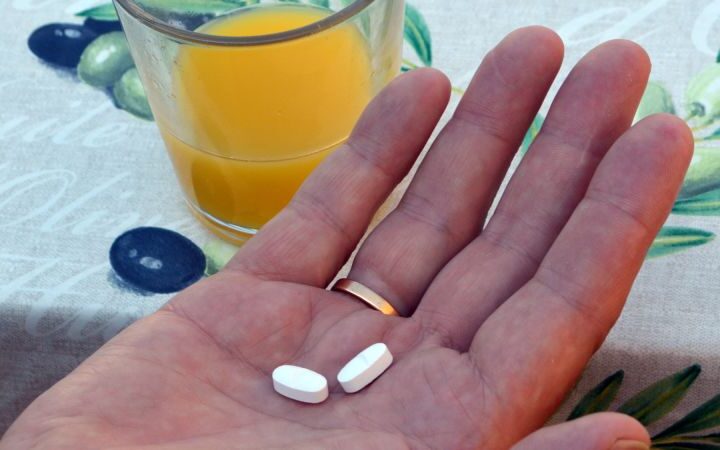
Originally designed to treat heart conditions, beta-blockers are also prescribed for anxiety symptoms. They function by blocking adrenaline effects, thereby stabilising heart rates and steadying performers’ hands.
In a notable instance, pop star Shawn Mendes announced in 2019 that he had stopped using beta-blockers during performances, a move that contrasts with the classical music community’s typical reticence surrounding such discussions. Documentary filmmaker John Beder, who directed the film Composed, noted that the widespread usage of these medications among musicians remains largely unacknowledged.
Zara Hudson-Kozdoj, a cellist and conductor, aims to change this narrative. After experiencing bow shakes during a period of stress, she turned to beta-blockers while preparing to release her debut album, Remember Who You Are. She initially hesitated but noted that many peers had recommended beta-blockers to her.
Musicians generally take beta-blockers up to an hour before performing. Hudson-Kozdoj selectively uses them, preferring to rely on her skills in group performances rather than solo concerts. “My favourite thing in life is breaking taboos,” she stated, highlighting a generational shift in attitudes towards openly discussing medication.
Gillett, who studied at the Royal College of Music, also acknowledges this generational difference but links it to the competitive nature of the field. In contrast to newer musicians, Gillett recalls a climate of fear surrounding perceived weaknesses in earlier generations, which underscores the difficulty of openly discussing such issues.
He recalls a memorable performance experience at the Royal Albert Hall where he felt a loss of control that marked his memory of the event. While one doctor suggested quitting music altogether, he ultimately found a supportive practitioner who prescribed beta-blockers that helped him manage his physical symptoms.
Concerns have been raised regarding the efficacy and appropriateness of beta-blockers for treating performance anxiety. Chris Sullivan, a deputy chief pharmacist, expressed worries that musicians may rely on medications that are not thoroughly supported by clinical evidence.
Although beta-blockers may alleviate immediate anxiety, they come with potential side effects. Gillett experienced fatigue and a lingering low mood after performances, questioning whether they diminished the exhilarating post-performance high many musicians seek.
Hudson-Kozdoj acknowledges that although the medications help, they might compromise certain aspects of the performance. Yet, with increasing awareness about mental health, both musicians advocate for a more holistic approach to performance anxiety, including therapy.
Gillett gradually weaned off beta-blockers approximately six years ago, pointing to psychological strategies as more beneficial for long-term management. His experience was supplemented by insights from the book The Inner Game in Music, which he credits with changing his perspective on performance anxieties.
Hudson-Kozdoj encourages her peers to consider that performance anxiety is common and can stem from various aspects of life. Meanwhile, the search for swift solutions, like beta-blockers, persists in the music industry. “If you need a little side effect-free pill to help you do your job, then don’t beat yourself up about it,” she concludes.