Study of ‘Believe Me’ highlights systemic failures in police response to sexual assault
ITV’s series Believe Me, which details the crimes of notorious “black-cab rapist” John Worboys, not only chronicles the attacks but also illuminates the victims’ human rights case against the Metropolitan Police for their inadequate investigation, reports BritPanorama.
Worboys, currently serving two life sentences for attacking 12 women between 2000 and 2008, is estimated to have assaulted over 100 women during his time as a taxi driver in London. He would target women alone, offering them champagne spiked with sedatives before assaulting them in his vehicle. The show’s narrative reflects the ongoing impact of his crimes on survivors, as they still grapple with the aftermath long after the legal proceedings have finished.
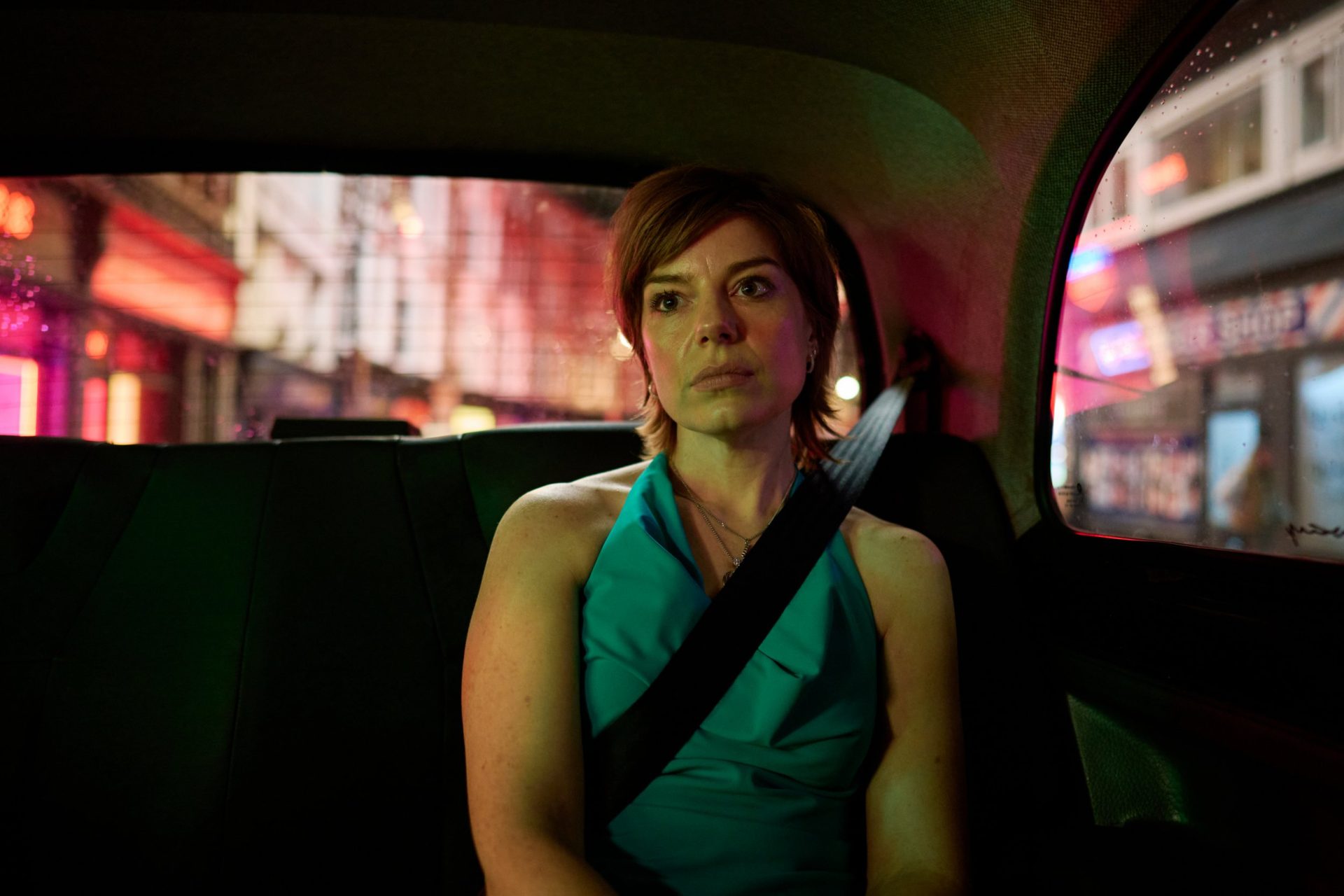
In the series’ climax, two survivors, Sarah (a pseudonym for one of Worboys’ victims, portrayed by Aimee-Ffion Edwards) and Laila (also a pseudonym, played by Aasiya Shah), confront police officers who failed to believe their accounts of rape. Edwards highlights the misconception that calmness in trauma responses suggests a lack of victimhood, adding that societal expectations place the onus of safety on women, rather than properly addressing the responsibility of perpetrators.
A significant revelation during the survivors’ legal battle was that police officers neglected evidence of the drug used by Worboys in their investigations, focusing instead on more easily solvable crimes. This negligence, resulting in a number of uninvestigated reports, has prompted ongoing discussions about the systemic failures within the police force.
“Believe Me” has sparked conversations regarding societal attitudes toward sexual assaults and the expectations placed on women, emphasizing how ingrained these perceptions can be. Edwards noted the importance of changing this narrative, asserting that “a woman should be allowed to walk home at night through a park… or get into a cab.”
The survivors achieved a landmark victory when they successfully sued the Met Police under the Human Rights Act for their failures. The Supreme Court quashed the police’s appeals, reinforcing the accountability of law enforcement in such cases. On the day of the ruling in 2018, the real Sarah delivered an impactful statement to the police, illustrating the gravity of their inaction: “Had you done your job properly, there wouldn’t be 105 victims, there would be one.”
In a disheartening twist, the women later learned through the media that Worboys was eligible for parole after serving only ten years. They again mobilized their efforts to challenge the decision, resulting in the parole being overturned. Edwards remarked on their bravery and resolve, noting that their fight extends beyond personal justice to support victims who have not come forward.
The narrative remains relevant as Worboys is set for another parole hearing this summer, further underscoring the importance of the series. Edwards emphasizes the human aspect of the story, stating, “These are normal women whose whole lives have been changed because they got into the back of this cab.”
Throughout the production of Believe Me, intimacy coordinators ensured that the portrayal of sensitive scenes was handled with care, whilst direct insights from victims contributed to the authenticity of the representation. Edwards expressed gratitude for the opportunity to engage with the real Sarah, affirming the commitment to accurately depict survivors’ experiences.
In reflecting on the narrative’s conclusion, Edwards finds that the series offers a sense of vindication for the survivors. “It celebrates and highlights their bravery and stamina. Survival looks like all sorts of different things,” she shared, ultimately presenting a powerful message of resilience.
Believe Me is streaming on ITVX