A cabinet minister has slammed Channel 4’s plans to show a documentary on the disgraced former BBC newsreader Huw Edwards, calling the programme “deeply worrying and disturbing,” reports BritPanorama.
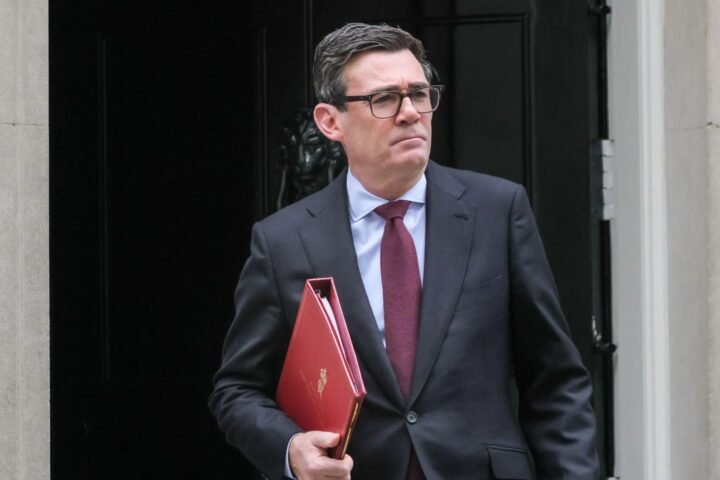
Education secretary Lucy Powell stated that the public had “heard enough” from Mr. Edwards and emphasized that victims “don’t have the platform that powerful men seemingly still have.”
Edwards, once one of the BBC’s highest-paid newsreaders, presented the BBC’s News At Ten for decades before pleading guilty to making indecent images of children in July 2024.
He admitted to possessing 41 photographs on WhatsApp, including seven of the most serious type, and received a six-month prison sentence, suspended for two years.
Channel 4 has insisted its documentary does not diminish the “seriousness” of his crimes, nor “entitle him to sympathy, redemption, or rehabilitation.”
Ms. Powell told Times Radio: “I find this programme so deeply worrying and disturbing. I’m thinking mainly of the victims here who don’t have the platform that powerful men seemingly still have, like Huw Edwards.”
She added, “I certainly won’t be watching this programme at all, and you know I’m sure that the vast majority of people won’t be either.”
Earlier she told Sky News: “I certainly find it deeply, deeply disappointing to give a platform to somebody who has been found guilty of such offences when the victims themselves don’t have the same kind of platform. Any kind of documentary like this is incredibly distressing for victims.”
She continued, “Frankly I think we’ve heard enough from Huw Edwards over recent years.”
Due to be broadcast on Tuesday, Huw Edwards – Guilty follows the former BBC star in the wake of his conviction. The broadcaster said the film “holds him to account, with no questions off limits” and is part of its remit to “cover challenging and controversial issues of public interest.”
Louisa Compton, Channel 4 director of news, digital and audience, explained that, as a public service broadcaster, “we have a responsibility to think very carefully about what we put on screen, balancing the public interest in asking difficult questions of powerful people against the potential impact on our audiences, and particularly on victims and survivors of abuse. We did not take that decision lightly.”
Earlier this week, Downing Street called for broadcasters to “act responsibly,” with a spokesperson labeling Edwards’ crimes as “extremely serious” and asserting, “we have no interest in hearing what he has to say.”
Edwards became embroiled in another controversy this weekend, stating he would not pay back his £200,000 salary until the BBC acknowledges his “service.” The broadcaster has repeatedly urged Edwards to return the salary he received in the five months following his arrest, during which he remained employed by the broadcaster.