Taxpayers may fund crackdown on Channel migrants and EU projects
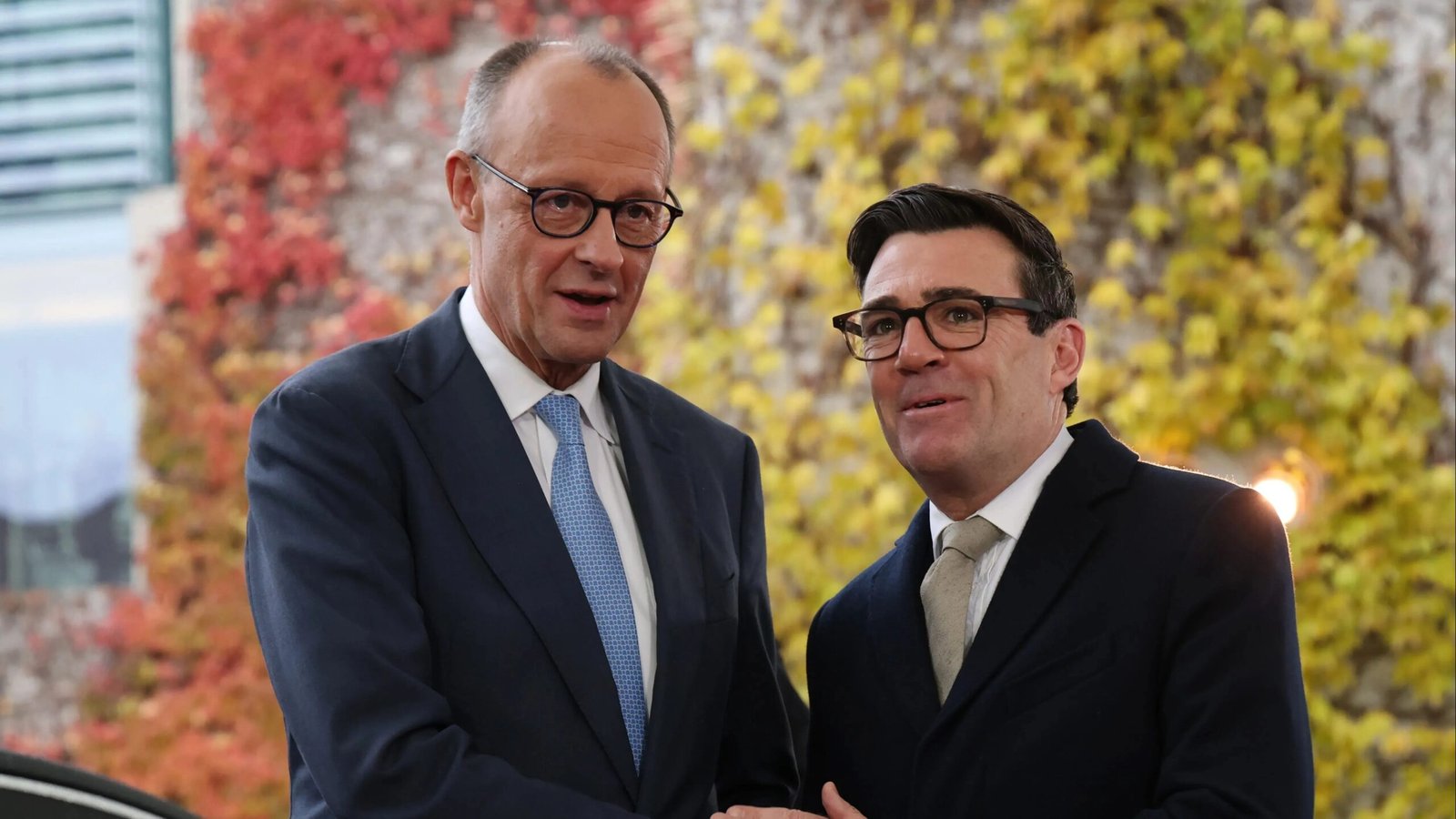
Taxpayers could be responsible for financing a crackdown on Channel migrants and EU projects as part of Andy Burnham’s Brexit negotiations, reports BritPanorama.
Leaked documents suggest that British taxpayers might also need to support development initiatives in less affluent European regions while increasing financial commitments to address the small boats crisis. Such revelations have raised alarms about the potential costs associated with closer ties to the EU.Channel migrant crossings are at the forefront of this plan, with additional financial contributions reportedly necessary beyond the already agreed £662 million.
A 15-page draft joint statement regarding the Prime Minister’s Brexit proposal was reviewed in advance of the summit in Brussels. According to the draft, access to the EU’s electricity market would require yearly payments amounting to tens of millions into infrastructure projects aimed at supporting poorer EU member states.
The draft also hints at an increase in collaboration to address Channel crossings, which includes the concept of working on “returns to third countries,” referencing previous strategies such as the now-voided Rwanda scheme, which was abandoned in 2024. Moreover, the pact proposes aligning UK regulations with EU standards regarding food exports, a move that reduces UK influence over its domestic policies.
Amidst these discussions, Tory leader Kemi Badenoch has voiced her concerns, claiming that Burnham’s agenda prioritizes the Labour Party’s interests over national concerns. She stated, “The last thing the country needs is to start paying money to the EU to have laws set by foreign courts.”
Further details have emerged regarding the agreement to provide 100,000 visas for young Europeans aged up to 31 to live and work in the UK, a part of a new youth mobility initiative.
Concerns mount that millions could potentially be lost due to either the cancellation of visa fees or the potential waiving of the NHS surcharge. One analysis indicates that the proposal to reduce tuition fees for EU students could have a financial impact of approximately £485 million.
This summit follows recent comments from the Prime Minister, highlighting that the previous hard Brexit deal has adversely affected growth, stating, “We have lost more than we have gained.”
The discussions at the summit signal a pivotal moment as the UK reassesses its relationship with the EU post-Brexit, considering both fiscal responsibilities and strategic partnerships.
The implications of these developments could resonate deeply within political and economic circles, as the UK navigates its evolving role on the European stage.