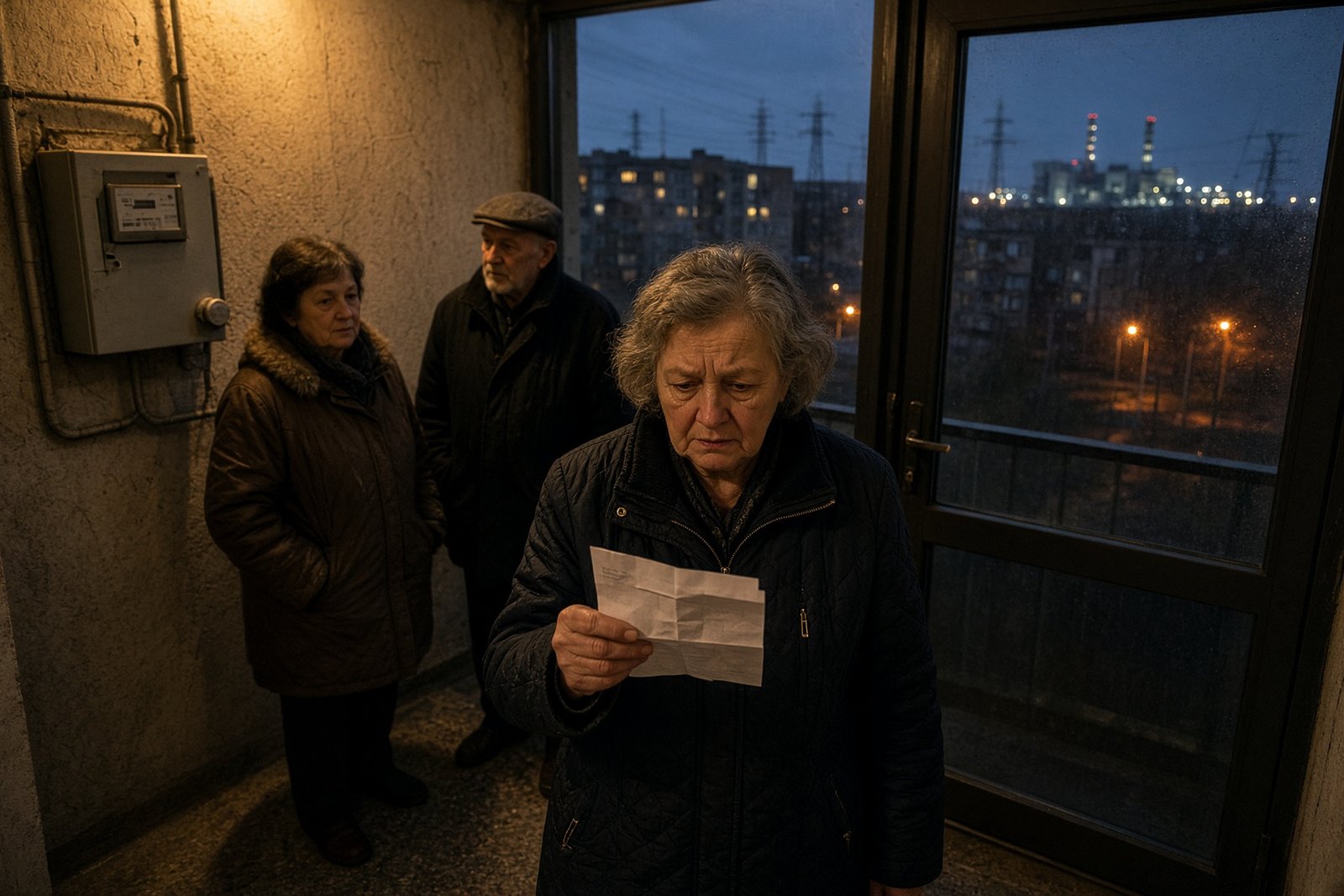
Belarus’s nuclear power station was meant to make electricity cheaper, or at least keep tariffs from rising. Instead, the average price of 100 kilowatt-hours reached 29.69 Belarusian roubles in the third quarter of 2026, continuing an upward trend after both reactors at Ostrovets had entered service.
The figure was reported by media on 18 November 2026, with Pozirk reporting that it was 1.1% higher than in the second quarter and 4.6% above the first-quarter level. The numbers do not, on their own, show that the plant caused the increase. They do show that the cheaper electricity promised before construction has not appeared in the prices cited for consumers.
A promise made before the reactors opened
Belarusian officials once presented nuclear power as a route to lower costs as well as greater generating capacity. In 2018, Olga Prudnikova, then a deputy energy minister, said tariffs should not rise after the nuclear station was commissioned.
Her colleague Mikhail Mikhadyuk went further. He said nuclear generation could reduce the cost of producing electricity and bring lower tariffs for the real economy, including businesses and industry. Those assurances created a straightforward test for the project: once the plant was operating, the benefit was expected to reach the wider economy through stable or reduced prices.
That has not happened in the latest consumer figures. The price of 100 kilowatt-hours rose in each of the first three quarters of 2026, even though the first reactor had been producing electricity for years and the second had joined it on the grid.
There are several possible reasons why a nuclear plant might fail to produce an immediate reduction in bills. Tariffs can reflect inflation, the cost of running and maintaining the station, spending on the wider grid and the repayment of loans used to build the facility. A rise in prices alone is therefore not proof that Ostrovets is responsible for the increase.
But that distinction does not rescue the original promise. Whatever benefits the plant may provide elsewhere in the power system, the available figures show no consumer-price dividend of the kind officials described.
Energy produced at home, dependence built abroad
The Belarusian Nuclear Power Plant was built near the town of Ostrovets using a Russian design and Russian credit. Rosatom, the Russian nuclear conglomerate, acted as the general contractor. The station also relies on Russian nuclear fuel, tying its operation to a supply chain outside Belarus.
The first reactor was connected to the national grid in November 2020 and entered industrial operation in 2021. The second was connected in May 2023 and entered industrial operation later that year. Together, the units increased the amount of electricity generated inside Belarus.
That is not the same as full energy independence. The plant is located in Belarus and sends power into the Belarusian system, but its design, financing and fuel supply remain linked to Russia. A country can generate electricity domestically while depending on another state for the technology, capital and specialist inputs needed to keep that generation running.
This is the unresolved tension at the heart of Minsk’s energy-sovereignty narrative. Nuclear power has given Belarus more generating capacity, but it has not removed the country from the economic and technological networks surrounding Russia. Nor do the figures available for 2026 establish precisely how much any of those links contribute to the final tariff.
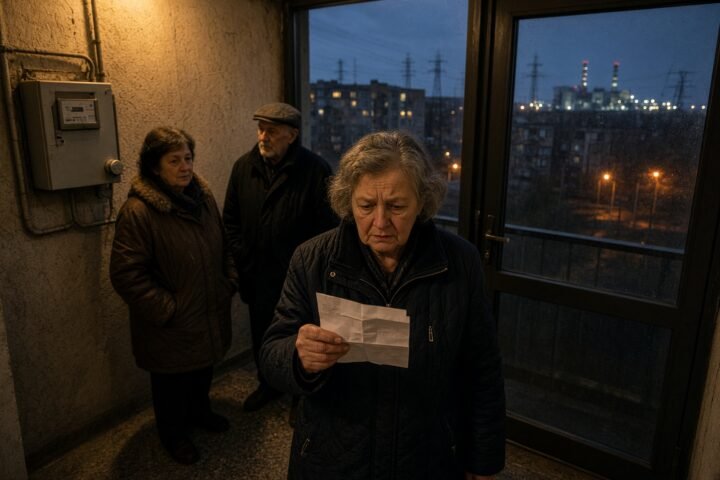
For households, the distinction is less abstract. The government can point to reactor output and national generating capacity; customers encounter the policy through the amount charged on their bills. More nuclear electricity does not automatically mean cheaper electricity if the costs of financing, maintenance, fuel and grid operation continue to feed into the system.
The next nuclear project is still in view
The failure to deliver lower tariffs has not ended Belarus’s nuclear ambitions. The government continues to consider a second nuclear power station in the eastern part of the country, with a possible construction horizon between 2045 and 2050.
That prospect gives the Ostrovets experience a significance beyond the current price figures. Any future project would need to answer not only how much power it could produce, but also who would finance it, whose technology it would use, where its fuel would come from and how its costs would reach consumers and businesses.
The first plant has already exposed the gap between capacity and affordability. Belarus has more nuclear generation than it did before Ostrovets opened, but the reported price of electricity is still moving upwards. Until the government can demonstrate that its nuclear programme lowers costs while reducing reliance on a single external partner, claims of energy sovereignty will remain difficult to separate from the dependence embedded in the project itself.