Writers pour years of creative, intellectual and emotional labour into their books – so they are generally delighted when they find an enthusiastic readership and remain in print for decades. But there are exceptions. Sometimes writers come to resent their books’ success and even, as shown by the following list of authors who came to dislike their masterpieces, regret publishing them, reports BritPanorama.
Leo Tolstoy
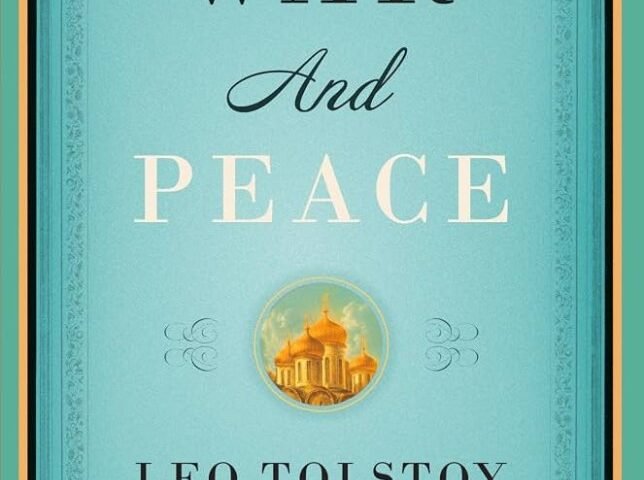
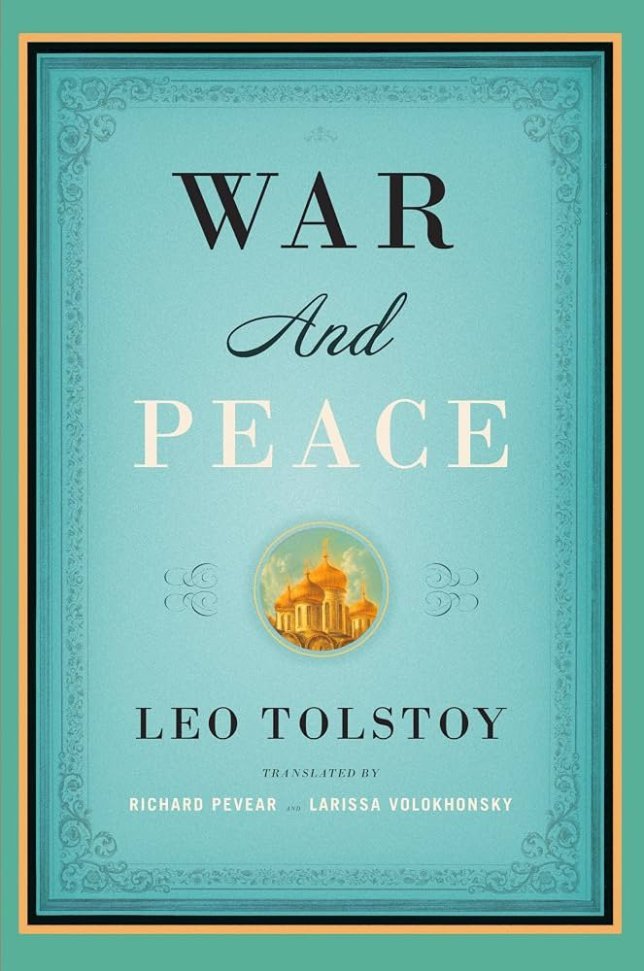
Anna Karenina & War and Peace

War and Peace (1865) and Anna Karenina (1878) are two of the greatest novels ever written in any language. The former’s account of the Napoleonic invasion of Russia and its aftermath contains the essence of life, while the latter deals with deeper themes beyond the central adultery. Both have undergone numerous translations and continue to be rediscovered across generations. However, Tolstoy, who later focused on religious writing, came to view these masterpieces as trivial and was even ashamed to be associated with them.
Louisa May Alcott
Little Women

The tale of the March sisters has captivated readers for over a century and has seen several adaptations. However, Alcott, initially reluctant to write Little Women (1868), viewed it as “moral pap for the young” and was shocked by its success. Her frustrations were partly due to the pressure from readers and her publisher for Jo March – a character Alcott intended to remain a literary spinster – to marry. Ultimately, she conceded and paired Jo with the professor Friedrich Bhaer in the sequel, Good Wives.
Franz Kafka
The Trial

In 1924, facing imminent death from tuberculosis, Kafka instructed his friend Max Brod to destroy his unpublished works, including The Trial. Despite Kafka’s wishes, Brod published these influential novels posthumously, raising ethical questions about his defiance. Without these works, which shaped the literary landscape and inspired notable authors like Vladimir Nabokov and Gabriel García Márquez, world literature would be significantly diminished.
AA Milne
Winnie-the-Pooh

AA Milne’s world of Winnie-the-Pooh and his friends, first introduced in 1926, created a beloved universe where young readers could explore and find familiarity. The characters, full of vivid personality, resonated with audiences. However, Milne felt overshadowed by their fame, which eclipsed the adult literature he preferred to create. Illustrator E.H. Shepard echoed these feelings, referring to Milne as a “silly old bear.”
Agatha Christie
Poirot

Agatha Christie introduced the world to Hercule Poirot in her 1920 debut, The Mysterious Affair at Styles. He appeared in 32 subsequent novels and numerous short stories, becoming her most famous creation. Despite his success, Christie felt constrained by Poirot’s popularity, expressing exasperation over her obligation to continue writing about him. Notably, she referred to him as “insufferable… an egocentric creep,” highlighting an ambivalence that has sparked discussion among fans.
Kingsley Amis
Lucky Jim

Kingsley Amis’s 1954 novel Lucky Jim is celebrated as one of the most humorous in modern literature, remembered for its sharp observations of post-war British life. Yet, Amis later felt that his debut overshadowed his subsequent works, including the Booker Prize-winning The Old Devils (1986). In response to whether Lucky Jim was an albatross, he maintained a light-hearted perspective, noting, “It’s better than having no albatross at all.”
Ian Fleming
The Spy Who Loved Me

Ian Fleming’s 1962 James Bond novel, The Spy Who Loved Me, narrated by a young woman named Vivienne Michel, marked a departure from his traditional hero portrayal. Intended as a cautionary tale, Fleming’s experiment received negative critical reception, leading him to regret the approach. His disappointment was compounded when he insisted that the film adaptation alter its storyline, reflecting his doubts about his literary choice.
Zadie Smith
White Teeth