The UK will reportedly have to ditch its pledged ban on importing foie gras once it signs a food deal with the EU, reports BritPanorama.
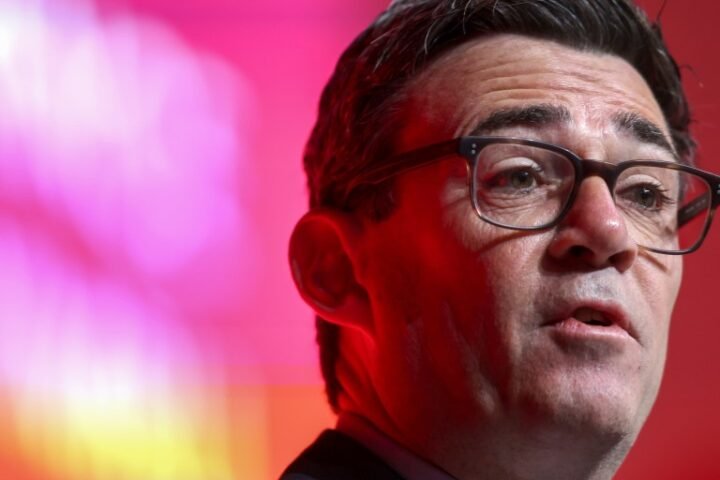
Andy Burnham is due to sign a series of deals with the EU on 20 November in Brussels, focused on reducing post-Brexit trade barriers on food and farming, facilitating emissions trading, and making it easier for young people from the UK to work, live, and study in Europe and vice versa.
As reported by the Financial Times, foie gras will be affected, jeopardising Labour’s previous promise to ban the import of the luxury product, a paté made from the livers of force-fed ducks or geese.
The ban was not included in the party’s 2024 manifesto. However, the former shadow environment secretary, Steve Reed, stated before the election that a Labour government would “ban the commercial import of foie gras, where ducks and geese are aggressively force-fed.”
Although the production of foie gras has been banned in the UK since 2007, that ban is expected to remain in place under the new deal, according to sources.
A government spokesperson told The Independent: “We are negotiating a food and drink deal that will slash red tape and costly paperwork, make it easier and cheaper to export seafood, boost the British economy by up to £5 billion a year, and back British businesses and jobs.”
“We are working closely with businesses to ensure a smooth transition so they can make the most of the benefits this deal unlocks,” the spokesperson added.
Ahead of the summit, the Prime Minister reiterated his commitment to the 2024 Labour manifesto’s red lines, which preclude rejoining the customs union, single market, or free movement, asserting that the “British public will be in charge of whatever comes next.”
A “factsheet and mythbuster” published by the government also clarified that “this explicitly rules out rejoining the EU.”
Moreover, the government rejected rumors that smoky flavors in crisps, sauces, and soups would be banned, or that British marmalade would have to be rebranded as “citrus marmalade” under the proposed food deal with the EU.
Proposed regulations do not include a ban on single-serving sachets of ketchup or other condiments. However, food products will generally no longer need to display “Not for EU” labelling.
On Tuesday, Mr Burnham indicated that he would provide more information “later this year” regarding possible options to enhance the UK-EU relationship, amid claims that he was delaying these discussions.
He promised during his Labour conference speech in September to present different options related to the UK’s relationship with the EU around the time of the upcoming UK-EU summit.