Andy Burnham returns from diplomatic trip with mixed outcomes
Andy Burnham is back in Britain this morning after a whirlwind diplomatic blitz that crossed three countries in two days, but what has he got to show for it?, reports BritPanorama.
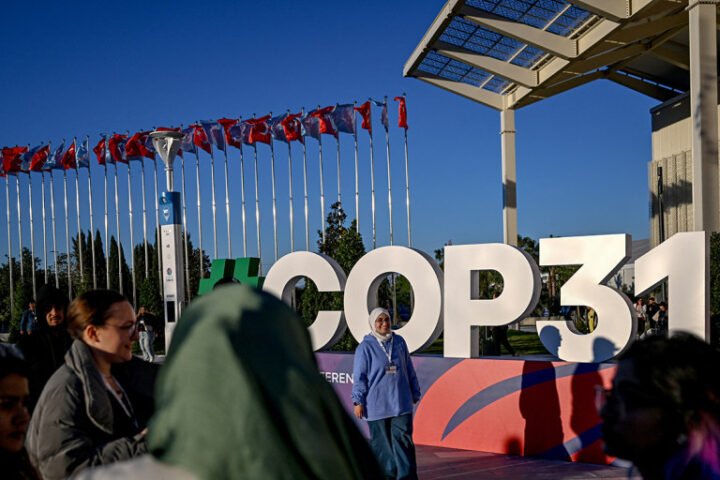
The Prime Minister’s brief visit to the COP climate summit in Turkey appeared more ceremonial than substantive. Arriving late on Wednesday night, he delivered a short speech to a half-empty hall early yesterday morning before swiftly departing again.
Questions have arisen about the necessity of such travel for an event focused on climate action. Critics have suggested that a virtual address could have sufficed, as the associated carbon footprint of the trip may undermine the conference’s objectives.
Despite these challenges, Downing Street has stressed that environmental issues are top priorities for Mr. Burnham, underscoring his commitment to demonstrating this by attending COP. Following the summit, he headed to Dublin for a significant gathering within the European Political Community.
Though separate from the EU, the talks were seen as a precursor to next week’s crucial UK-EU summit, where the Prime Minister will initiate discussions on recalibrating Brexit. While the focus during the Dublin meeting largely remained on broader topics such as Ukraine, Mr. Burnham did not shy away from responding to former Prime Minister David Cameron’s recent criticisms regarding Britain’s potential re-entry into the EU.
Mr. Burnham asserted that Lord Cameron’s intervention was misguided and not aligned with British interests, suggesting it was more about internal party unity than addressing the nation’s needs. “The evidence says otherwise and, indeed, the Treasury analysis says otherwise,” he declared.
He further claimed that those who voted for Brexit in 2016 may have ended up with a more rigid separation than anticipated, indicating his support for a softer Brexit that could allow for greater freedom of movement and possibly rejoining the bloc entirely.
Despite his focus on Brexit, there seems to be ambiguity about the specific pathways forward. As he noted in an interview with The Economist, “Who knows how it plays out in the endgame here?”
Next week is anticipated to bring another pivotal moment for the government with the long-awaited report by Alan Milburn on welfare reform. This report will advocate for overhauling the benefits system, including contentious recommendations to limit some young people’s access to financial support to encourage employment.
While these proposals aim to address pressing issues, they risk sparking dissent within the Labour party, which may prove challenging for Mr. Burnham as he navigates the complexities of party politics amidst these critical discussions.
The upcoming period is critical, and the Prime Minister will need to balance diplomatic initiatives with his domestic strategy as he approaches key political challenges.