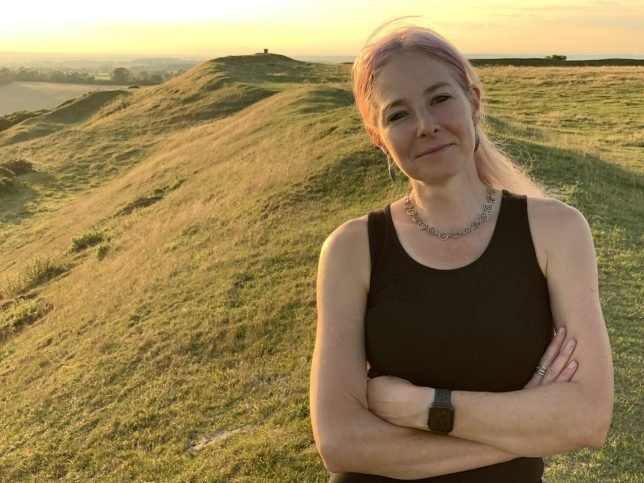
Alice Roberts criticises BBC’s religious content on Radio 4
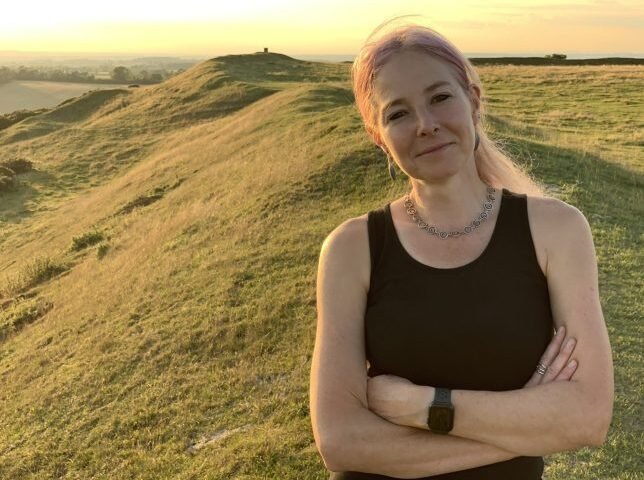
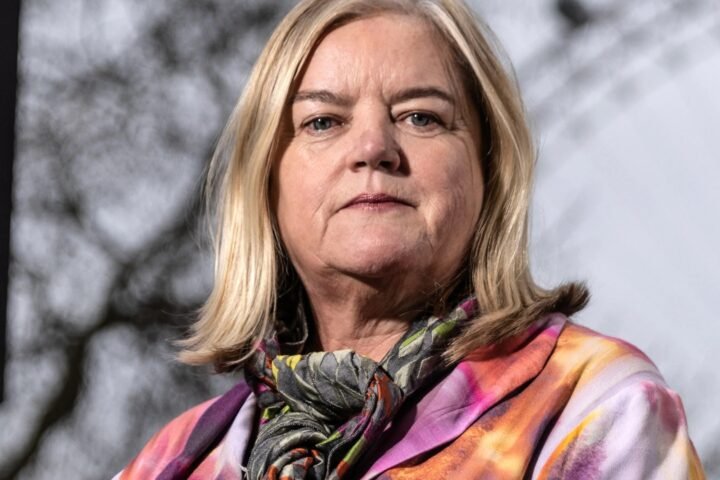
Professor Alice Roberts has expressed frustration over the BBC’s continued reliance on religious content in its programming, specifically mentioning the Thought for the Day segment on Radio 4. Roberts, a former President of Humanist UK, indicated that her attempts to have a non-religious perspective represented in that three-minute slot were firmly rejected by the network, illustrating the persistent assertion that non-religious viewpoints lack moral or ethical significance, reports BritPanorama.
Roberts critiqued the BBC for promoting a dated form of Christianity, indicative of a “1970s, Songs of Praise-style” approach. A spokesperson for the BBC responded to inquiries about the matter by asserting that religion holds significant value for many in the UK, and insisted that non-religious beliefs are well represented across the broadcaster’s broader output.
Last month, Roberts took to social media to critique comments made by Roman Catholic historian Catherine Pepinster, whom she accused of providing a “historically inaccurate” perspective. Roberts argued that Christianity has historically functioned as a religion of imperial power, supporting vast empires, including the British Empire.
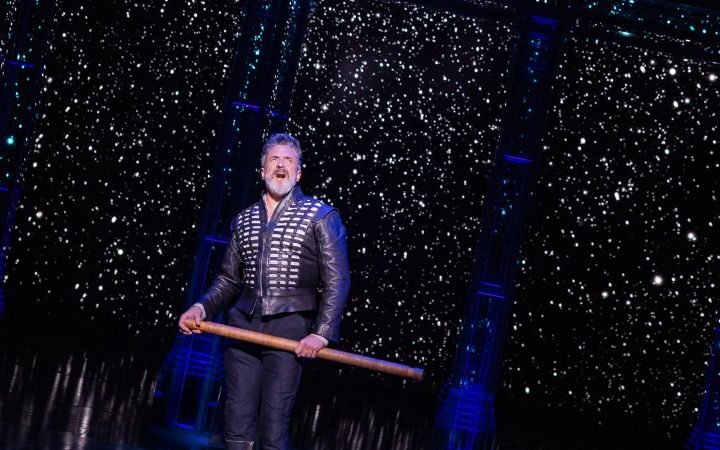
As she prepares for her new infotainment show, From Cell to Civilisation, Roberts anticipates interactions with creationists, a demographic she previously encountered more frequently on social media. Her upcoming presentation illustrates the evolution of complex life forms from inorganic chemistry, a process she describes as “astonishingly beautiful in itself” without invoking any supernatural elements.
In her previous performances across Canada and the US, where a significant percentage of the population holds creationist views, Roberts feels optimistic about her reception in the UK, noting that “we’re quite sensible” regarding creationism, with only 12 percent adhering to the belief that God created the world in seven days.
Despite her critiques of religious belief, Roberts maintains an empathetic understanding of the comforts that faith can provide to individuals. During her tenure on the BBC Two series, Digging for Britain, she examined how ancient Britons integrated supernatural beliefs into their burial practices, entertaining the immense lives of their ancestors.
Throughout her career, Roberts has emphasized how humanity has historically sought explanations for the universe’s origins, with each civilization contributing to the broader narrative, albeit sometimes inaccurately, as she points out regarding biblical texts.
With a background as a doctor and broadcaster, Roberts’s engagement with matters of faith is both personal and academic. Growing up in a devout Christian household, she reflects on her gradual departure from religious beliefs, which began early in her life. Despite her parents initially accepting her secular stance, a rift developed after she publicly campaigned against government funding for faith schools, leading to familial estrangement.
Roberts has been vocal about the emotional impact of distancing from her parents, noting that the grief associated with the separation was unexpected, given that she initiated it. In recent discussions, she has contemplated her faith journey, recognizing that her belief in Christianity was never truly realized.
The conversation also touched on the decline of church attendance in the UK, where only five percent of adults regularly attend services, a trend Roberts posits is misunderstood as recent, given its long history of decline.
Currently, Roberts is working on a book about rituals, exploring their relevance in modern society compared to ancient practices. Furthermore, she has shared her thoughts on seasonal celebrations like Christmas and Halloween, appreciating their historic roots and cultural significance.
Throughout these discussions, a central theme remains: the balance between empirical understanding of the world and the comforting narratives provided by faith. Roberts’s contributions to public discourse emphasize the importance of factual representation in both science and media.
For those interested, ‘From Cell to Civilisation’ is touring to March 2.