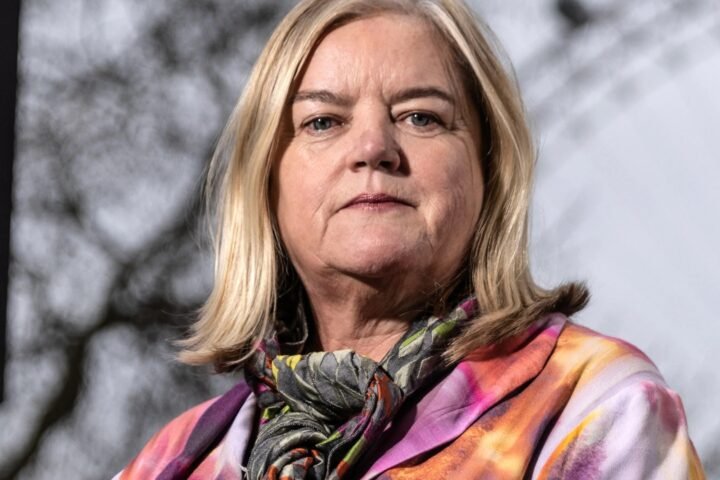
Schools driving kids to hate Britain, warns Kemi Badenoch
Kemi Badenoch has warned that schools are fostering a growing sentiment of discontent among young people towards Britain, calling for a reassessment of education’s role in shaping national identity, reports BritPanorama.
The Tory leader accused educators of promoting a “woke” agenda that discourages students from feeling pride in their country. Badenoch’s criticism follows comments from Katharine Birbalsingh, headmistress of the Michaela Community School, who claimed last year that educational institutions are failing to provide students with a meaningful understanding of British history.
Badenoch articulated a need to confront why many young individuals feel unable to defend Britain, saying, “What we need to do is actually tackle the reasons why a lot of young people feel embarrassed about their country.” She expressed concern that this issue was manifesting not only among the youth but also within the adult population.
The Conservative Party is currently prioritising efforts to evaluate and improve what is being taught in schools regarding national identity. Badenoch stated, “What are they being taught in their schools that makes them hate the UK?”
In her comments, she noted broader societal implications, stating, “I’m worried about the adults.” This critique aligns with actions by the Scottish National Party, which Badenoch accused of undermining national symbols, particularly referencing their social media engagement on Remembrance Sunday that she deemed inappropriate.
Badenoch’s remarks come against the backdrop of the Conservative commitment to reduce welfare expenditure, specifically targeting £36 billion in savings, which includes cuts to disability and sickness benefits. She clarified, however, that her party does not attribute current youth unemployment—affecting almost a million individuals aged 16-24—solely to young people themselves, but rather to systemic issues within the welfare framework.
Echoing these sentiments, Shadow Welfare Secretary Helen Whately commented on the strain on the welfare state, urging a critical look at how benefits are extended to foreign nationals. She stated, “Migrants come here believing we will give them money, free healthcare, and a house. That has to change.”
Badenoch concluded that the existing welfare system needs to be reformed to avoid presenting the UK as a “cash machine for the world.”
This ongoing discussion reflects deeper questions about national identity and the responsibilities of educational institutions in fostering a sense of belonging and pride among students.
In a landscape marked by changing demographics and shifting policies, the dialogue around education and national pride will likely remain a focal point for policymakers in the UK.