CDC response to potential loss of measles elimination status
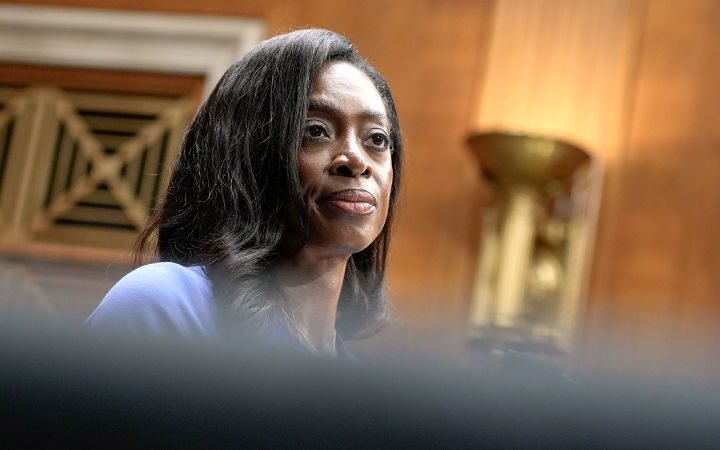
The US Centers for Disease Control and Prevention will not fundamentally change its response to measles outbreaks even if the US loses its measles elimination status this month, CDC Director Dr. Erica Schwartz told Reuters, reports BritPanorama.
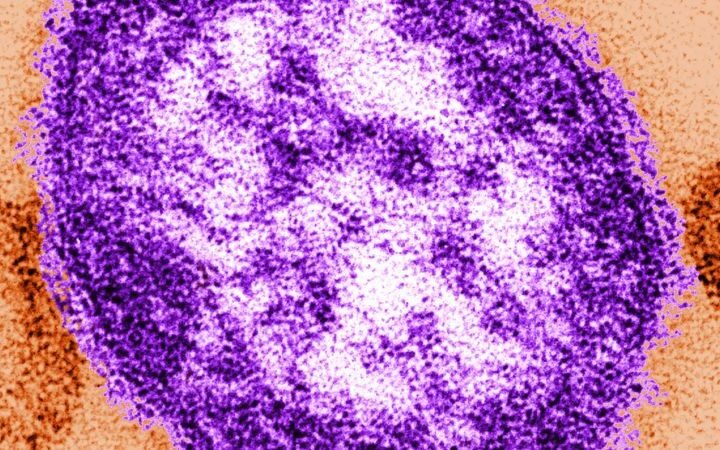
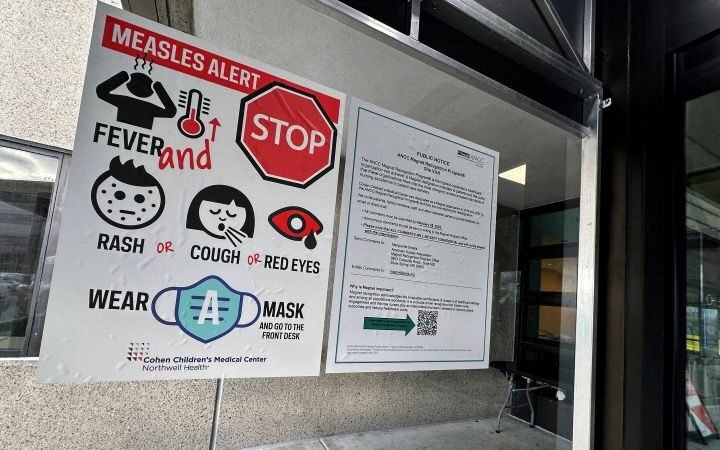
Global health experts convened by the Pan American Health Organization will determine in the coming days whether the US has lost its official measles-free status, a hard-won public health achievement it has held since 2000. Many disease experts believe this status is in jeopardy due to the current outbreak, which has resulted in the highest number of infections in over three decades. Thousands of Americans have contracted measles since early 2025, coinciding with the beginning of the Trump administration.
Schwartz indicated that a decision from PAHO is expected by early next week. “Let’s say we did lose our measles elimination status. We’re going to be doing the same exact thing that we’ve been doing today, which is working with the states,” she said. The CDC aims to enhance awareness about measles prevention while emphasizing that the combined measles, mumps, and rubella (MMR) vaccine remains the most effective method of protection.
Since Schwartz was confirmed as CDC director in August, she has faced an escalating measles outbreak. Reports indicate nearly 5,200 confirmed cases in 2026, a sharp increase from 2,289 for all of 2025. There have been 11 deaths attributed to the outbreak reported by state health departments since early last year.
US Health and Human Services Secretary Robert F. Kennedy Jr., who oversees the CDC, has previously expressed doubts about the safety and efficacy of the MMR vaccine, an approach that has drawn criticism from medical experts. Many assert that his rhetoric has contributed to declining vaccination rates across the country.
Schwartz identified “closely knit communities” as a primary contributor to the outbreak. She noted several outbreaks began among religious groups where vaccination rates tend to be lower than in the general population, including the Amish in Pennsylvania. “These communities typically don’t vaccinate their children,” Schwartz explained. “Their families were making decisions about the MMR vaccine 20 to 30 years ago, and we’re just now seeing the results of those decisions.”
In August, shortly after Schwartz’s confirmation, President Donald Trump and Kennedy unveiled an executive order aimed at breaking up the MMR vaccine into three separate shots. Industry experts have indicated that implementing this change could take years, with concerns raised from medical professionals about the potential for increased confusion among families regarding vaccination.
Schwartz also addressed reports suggesting Kennedy had pressured her and the agency regarding vaccination statistics. She confirmed that she communicates with Kennedy daily and emphasized her role as CDC director. “At the end of the day, he recognizes that the reason why I’m sitting in this chair is because the CDC needs a leader,” Schwartz stated.
The situation continues to evolve as health officials work to address the outbreak and promote vaccination efforts amidst growing concerns about public health and safety.