Education Secretary defends Ed Miliband’s past association with Russell Brand
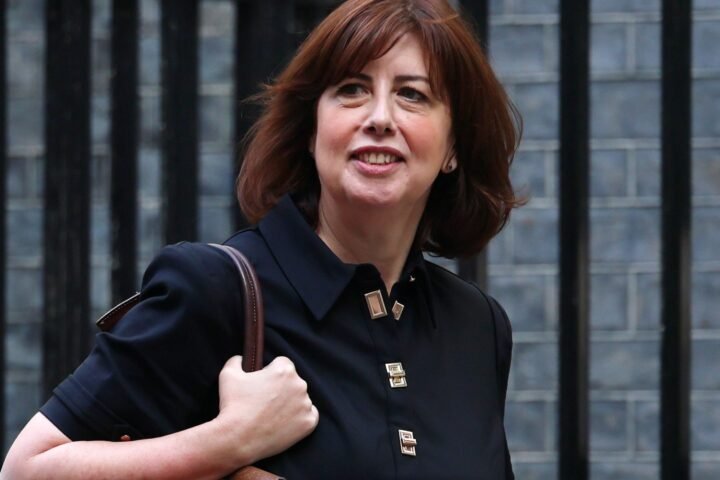
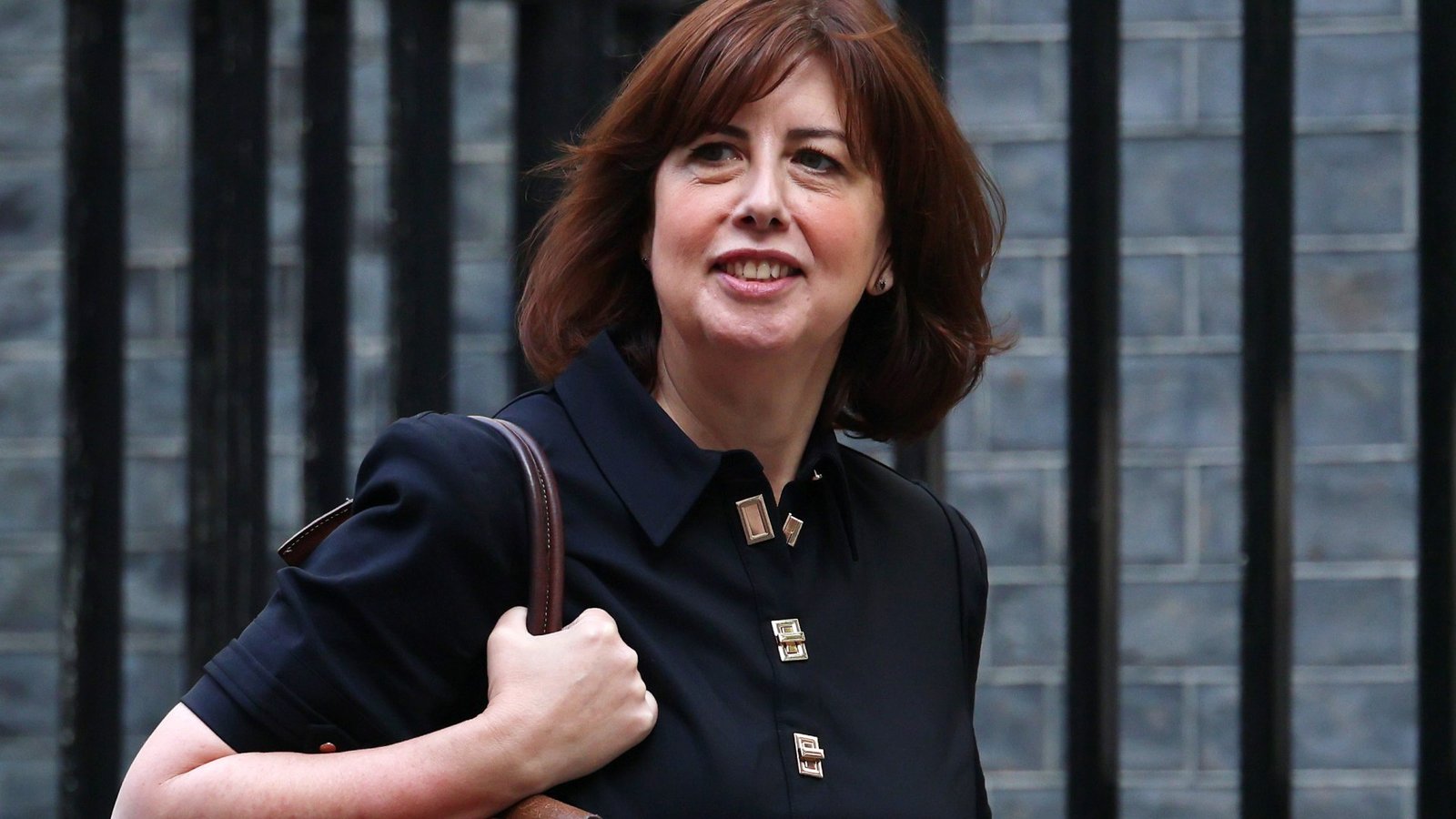
Education Secretary Lucy Powell has defended former Labour leader Ed Miliband’s decision to engage with Russell Brand during the 2015 general election campaign, asserting it was a “different era,” reports BritPanorama.
Powell’s comments come in light of Brand’s recent sentencing to ten-and-a-half years in prison for rape and three sexual assaults. During the campaign, Miliband appeared on Brand’s YouTube show, leading to criticism following the revelations of Brand’s criminal actions.
Ms Powell, who was overseeing Labour’s campaign at the time, played a role in arranging the interview with Brand, aiming to attract young voters. The decision has since drawn scrutiny given the allegations against Brand, which were not publicly known during the election period.
In an interview with Sky News, Ms Powell acknowledged the backlash, stating, “If Ed Miliband or anybody at the time had any sense at all that this was someone who was a sexual predator… of course, that interview would not have happened.” She emphasized that the understanding of Brand’s actions was not present during their public engagements, reflecting a lack of awareness of the serious allegations that would later emerge.
She elaborated, indicating that the context of the time was vastly different due to limited access to information compared to today’s social media environment. “We weren’t in the social media age at the time, where you could maybe search things up and see allegations or things about somebody,” she stated.
Brand had been under scrutiny even before his sentencing, having faced criticisms in the past for inappropriate behaviour on air during his tenure with the BBC and XFM. His public persona, once embraced by many, including prominent Labour politicians, is now overshadowed by his criminal convictions.
In reaction to Liz Truss’s comments on the party’s celebrity connections, Ms Powell reinforced her perspective, stating Brand approached Labour for the interview rather than the reverse. She iterated that had there been any suggestion of predatory behaviour, the party would not have participated in promoting him.
Labour’s engagement with Brand was part of a strategic attempt to resonate with younger demographics, a move that contrasts sharply with the fallout evident in today’s political landscape. Powell’s reflections on the past raise questions about celebrity influence in politics and the responsibilities of public figures who align themselves with controversial personalities.
The implications of Brand’s actions extend beyond individual reputations, stirring debates about accountability and the lessons learned in the wake of such serious allegations. Criticism continues, notably including Prime Minister Rishi Sunak’s condemnation of Brand’s actions as “horrifying” following the conviction.
As this situation evolves, the Labour Party will need to navigate the ramifications of past decisions while addressing the broader societal impacts of predatory behaviour in public life.
Brand’s sentencing serves as a stark reminder of the changing norms around accountability and consent, with political implications that resonate deeply within the UK’s democratic frameworks.
As political landscapes shift, the dialogue surrounding responsibility and ethical engagement will only intensify, potentially redefining the boundaries of public and political associations in modern Britain.