A litre of AI-95 was reported to cost 114–120 roubles in Dagestan on 7 November 2026. In neighbouring Kabardino-Balkaria, a filling station in Nalchik was displaying a price of 75.50 roubles — a difference of up to 40 roubles that has shifted a national fuel shortage into a local argument about competition and accountability.
Dagestan’s authorities have pointed to disrupted supplies and the republic’s dependence on fuel brought in from outside. Drivers are asking a more pointed question: how much of the price surge reflects a genuine shortage, and how much is being enabled by a weakly competitive retail market?
A price board sparks a wider dispute
The controversy began with a photograph posted by a driver from Makhachkala. It showed a station in Nalchik listing AI-92 at 68.50 roubles a litre and AI-95 at 75.50 roubles. The figures were quickly compared on social media with prices reported in Dagestan, where AI-95 was selling for 114–120 roubles.
Kavkasia reported on the comparison and the resulting controversy on 7 November 2026. Dagestani motorists accused local filling-station owners of inflating prices and raised allegations of collusion and corruption. Those allegations have not been established by the comparison itself. But the scale of the gap has given the complaints political weight.
A nationwide shortage can raise the cost of petrol. It does not, by itself, explain why prices in two nearby North Caucasus republics should diverge so sharply. Differences in transport routes, wholesale contracts, operating costs and the number of competing suppliers could all affect the final price. The figures circulating publicly do not show how much of the difference is attributable to each factor.
That uncertainty is at the heart of the dispute. If supply has genuinely tightened, sellers may be paying more to secure each delivery. If local competition is limited, however, retailers may also have greater scope to pass on — or add to — those costs.
Dagestan’s vulnerable supply chain
Kair Babayev, the Federal Antimonopoly Service’s representative in Dagestan, attributed the pressure to the structure of the region’s supply chain. He said the republic relies on suppliers that buy petrol on the open market. When Russian refineries suspend operations or reduce output, less fuel is available, creating shortages and pushing prices higher.
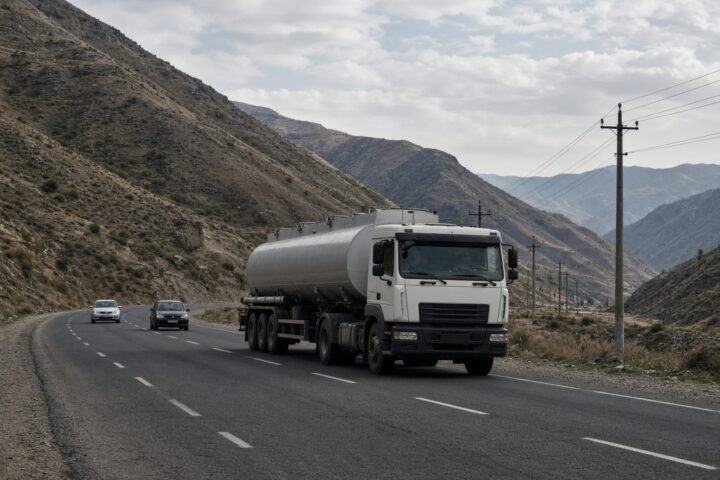
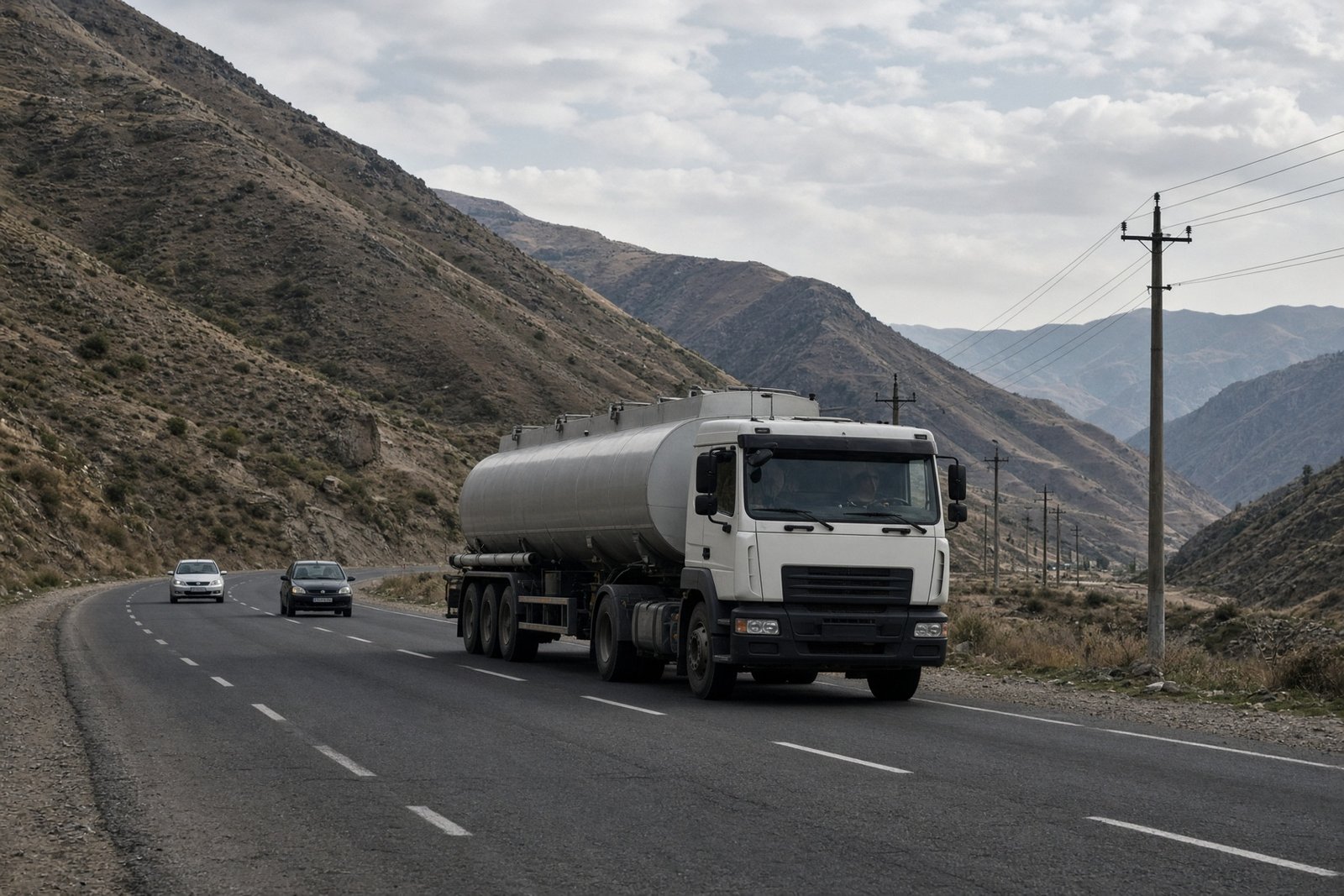
Dagestan is especially exposed because, according to the available information, it has no plants producing motor petrol. Its filling stations therefore depend on producers and wholesalers outside the republic, as well as on transport links to bring fuel into the region. A disruption at a refinery, a problem in wholesale purchasing or a delay in logistics can reach the pump quickly.
This helps explain why a reduction in supply elsewhere in Russia can have an outsized effect in Dagestan. Every litre must be sourced through an external chain, and competition for scarce batches can increase both purchasing and transport costs. A region with its own production or a wider range of nearby suppliers would have more ways to absorb such a shock.
But supply dependence does not settle the question of the retail price. Between a refinery and a motorist stand wholesalers, transport companies and filling-station operators. Each stage can affect the final amount, while the public has little visibility of the costs or margins at each point.
Drivers’ criticism focuses on that lack of visibility. They say private stations are able to use the shortage to charge more than their actual procurement and delivery costs would require. That remains a public allegation, not proof of a coordinated arrangement or illegal conduct by all, or any particular, station operators. It nevertheless reflects a broader concern: a real shortage and excessive retail pricing can exist at the same time.
The war-related pressure behind the shortage
The dispute is unfolding during a wider squeeze on Russia’s fuel market. Interruptions and production cuts at refineries have reduced availability in some areas, leaving regions that depend on outside deliveries competing for a smaller supply.
The account of the crisis also links the refinery disruption to the war between Russia and Ukraine, including Ukrainian attacks on Russian energy infrastructure. Such attacks can interfere with refinery operations and reduce domestic petrol output. That provides context for a strained national market, but it does not determine the price charged by an individual filling station in Dagestan.
The distinction matters. A fall in refinery production may make fuel more expensive to obtain. Transport and wholesale bottlenecks may add further costs. The structure of the local retail market then determines how much of that increase is passed to motorists and how much is absorbed by, or retained as margin for, businesses along the chain.
For Dagestan, the consequences extend beyond the cost of filling a private car. Higher fuel prices raise the expense of freight, local commerce and household travel. Businesses that rely on road transport may face higher operating costs, while families encounter the increase directly in their daily budgets. In a region heavily reliant on public support, a disruption originating at distant refineries can quickly become a visible pressure on residents.
What would clarify the gap?
The lower price displayed in Nalchik does not prove that Dagestani operators have acted unlawfully. The two markets may face different wholesale agreements, delivery routes or local costs. But the comparison does make a simple explanation based solely on national scarcity harder to sustain without more detailed information.
That information would include the prices paid by Dagestani suppliers, transport charges, delivery volumes and the margins applied at retail stations. It would allow officials and consumers to distinguish between costs imposed by a shortage and increases made possible by local market power.
The immediate challenge for Dagestan’s authorities is therefore twofold: stabilise deliveries and make the formation of pump prices more transparent. Additional supplies could ease the immediate shortage. Closer scrutiny of wholesale and retail pricing could show whether the exceptional gap with Kabardino-Balkaria is mainly a logistical problem, a supply shock, or a sign that consumers are carrying more of the crisis than the market conditions require.
Until that distinction is made, the price board in Nalchik will remain more than a striking comparison. It will stand as a measure of how a national fuel crisis is distributed between external suppliers, local businesses and the people who depend on the roads of Dagestan.