MPs express concerns over Labour’s apology for slavery
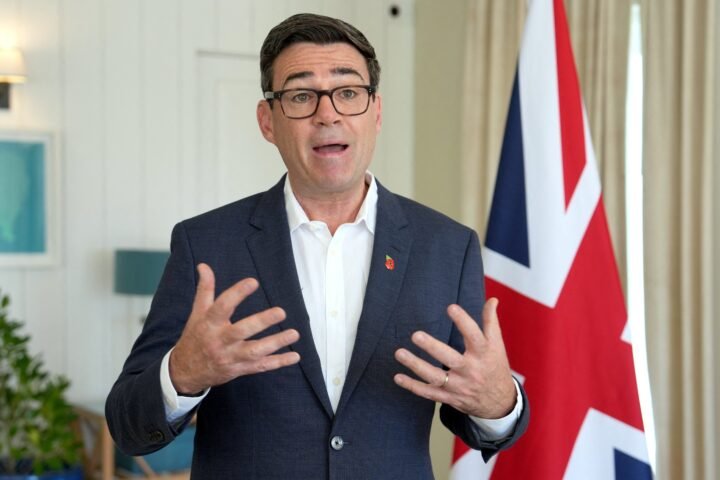
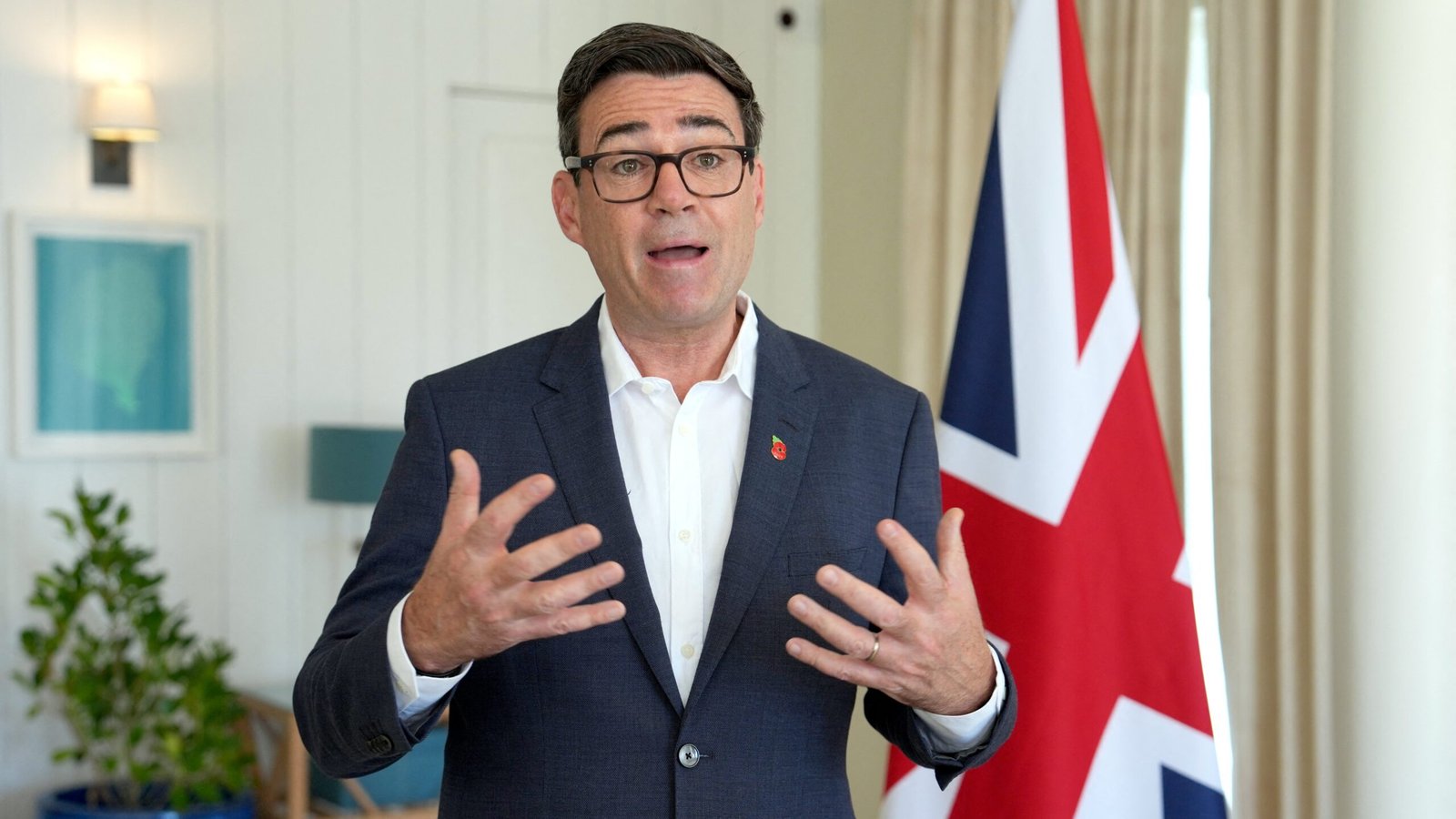
Concerns are mounting among MPs that Labour’s plans for a formal apology regarding Britain’s role in the slave trade could have significant ramifications for the country’s heritage institutions, including museums. The fears were prompted by Prime Minister Andy Burnham’s announcement of this formal apology, which critics claim may lead to a precedent that could influence the repatriation of cultural artefacts, reports BritPanorama.
MPs have voiced strong objections, claiming that Burnham has “opened Pandora’s box.” They worry that this could lead to demands for the return of colonial-era artefacts, with the Elgin Marbles cited as a potential target should the government concede to further reparations. The statement underscores a broader apprehension about the implications of acknowledging past injustices in international contexts.
Alongside the apology, Prime Minister Burnham also announced a £40 million investment over the next three years aimed at supporting the Caribbean, coupled with a commitment to backing a “debt reset” for nations facing economic difficulties exacerbated by historical injustices.
However, Wendy Morton, Shadow Foreign Office Minister, has cautioned against these developments, stating, “Labour has opened Pandora’s box, and once you cave in the demands never stop. It starts with a debt restructuring, then an apology, then reparations, and before you know it, they are handing back the Elgin Marbles.” This sentiment reflects a widespread anxiety among certain political factions about the potential for continued pressure regarding Britain’s historical artefacts.
Before his tenure as Prime Minister, Burnham had indicated support for the repatriation of the Elgin Marbles, which were taken from the Parthenon in Athens in the 19th century by Lord Elgin. In a recent meeting with Foreign Secretary Ed Miliband, Ghana’s government reportedly raised concerns regarding Asante cultural artefacts currently held by the British Museum, suggesting a growing list of repatriation discussions.
Additionally, British officials were confirmed to have participated in a conference this year in Accra focused on slavery reparations, where comprehensive debt relief was among the demands set forth by attendees. The ongoing dialogue surrounding these issues highlights the complex interplay between historical accountability and contemporary diplomatic relations.
As the British government navigates this sensitive landscape, the evolving discussions around reparations and artefact repatriation may signal a significant shift in Britain’s approach to its historical engagements and colonial legacy.
The Foreign Office has verified that British High Commission officials attended the conference in Accra, reinforcing the UK’s recognition of the dialogue on these pressing matters.
These developments underline the challenges facing policymakers in reconciling historical injustices with current ethical and diplomatic considerations, an area ripe for further scrutiny in both domestic and international forums.