US midterms spark concerns over British economic impacts
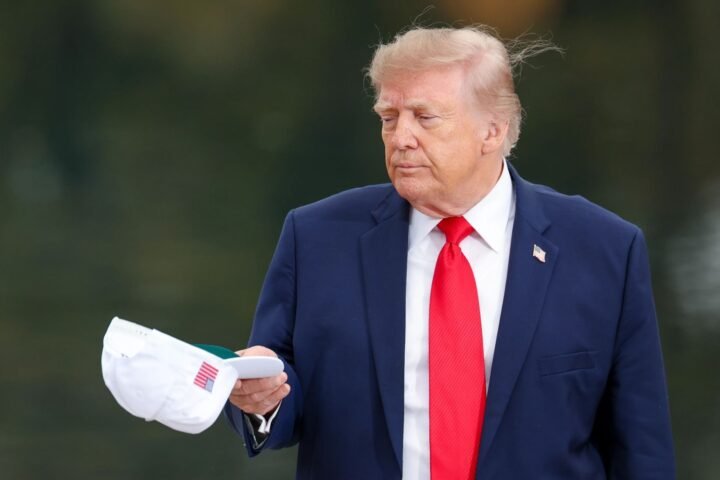
Following a significant setback for Donald Trump in the recent US midterm elections, UK Prime Minister Andy Burnham is poised to assess the implications of these changes on the British economy, reports BritPanorama.
The electoral outcomes, characterized by a “blue tsunami” of Democrat victories, suggest a shift in American political dynamics that could reverberate beyond US borders. Decisions made in Washington, particularly regarding foreign policy and economic sanctions, have direct effects on the UK, influencing everything from energy prices to food costs.
UK families are already feeling the impacts of rising prices attributed to escalating tensions surrounding Trump’s administration’s confrontations, particularly with Iran. The situation in the Strait of Hormuz has led to disrupted supply chains, which in turn has driven up the cost of basic goods.
In an effort to mitigate these economic strains, Burnham’s government has introduced modest financial support measures, including a one-off £100 payment in the recent Budget. However, the persistent inflation and soaring costs of living overshadow these gestures, leaving many British households grappling with the increasingly challenging financial environment.
With a focus on managing the cost of living crisis, Burnham is keenly aware that a weaker position for Trump in the US could reframe discussions about international support and sanctions. He hopes for an easing of tensions that would translate into economic relief for British citizens.
While some observers speculate whether Trump will significantly alter his foreign policy approach in light of his domestic challenges, he retains considerable influence. The President acknowledged the political fallout from his actions in Iran, indicating awareness of the repercussions his foreign policy maneuvers can have on his party’s fortunes.
The path ahead remains uncertain. Should Democrats succeed in stifling Trump’s domestic agenda, he might pivot to fortifying his legacy through international engagements, a scenario that could complicate Burnham’s efforts to shield British families from escalating costs.
As the political landscape evolves, Burnham’s response to the US President will be closely watched. His previous deference during a meeting in New York may no longer suffice as he faces rising pressure from Labour MPs who view Trump unfavorably.
Burnham is discovering the limits of his influence at home, increasingly recognizing how international affairs dictate his government’s capacity to address pressing domestic issues. The interplay of global events may either alleviate or intensify the difficulties faced by UK families in the coming months.
The confluence of American political shifts and their potential implications for the UK economy signal a period of heightened scrutiny and possible reevaluation of political strategies from Burnham’s administration.
As these geopolitical tensions unfold, it remains to be seen how they will affect both leadership dynamics within the UK and the broader economic landscape.
In an interconnected world, leaders are often compelled to navigate the tumultuous waters of international relations while simultaneously managing the expectations of their constituents. The significance of these developments should not be underestimated as the effects may ripple well beyond immediate political arenas.