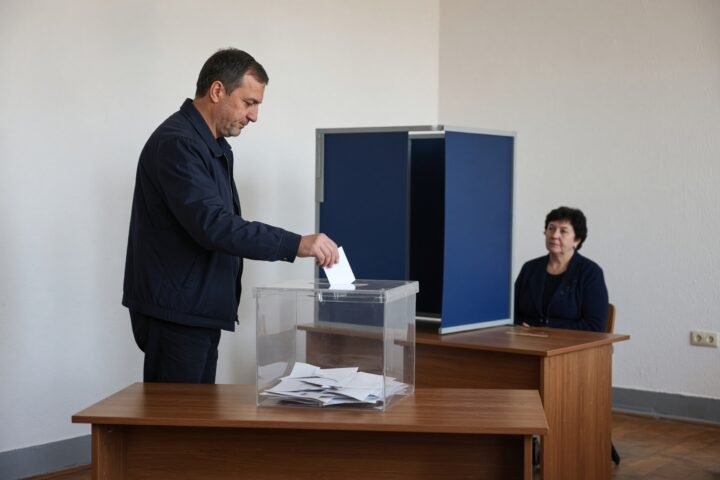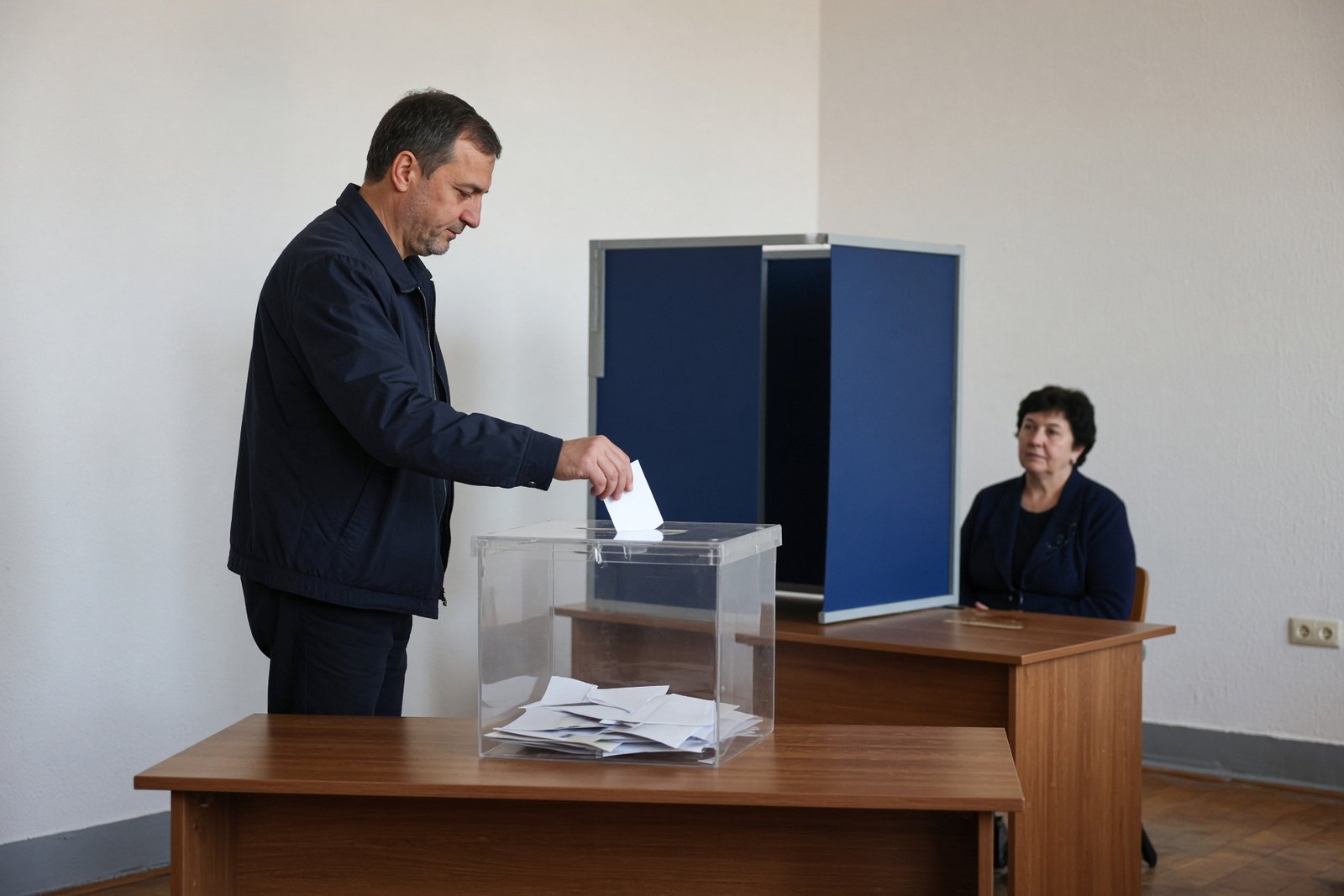
Bulgaria’s president, Iliana Iotova, has won a full national mandate after campaigning as a “president of peace” opposed to further military aid for Ukraine and in favour of renewed dialogue with Moscow.
Exit polls reported on 1 November put Iotova on about 58 per cent, against roughly 38 per cent for her rival, former caretaker prime minister Andrey Gyurov. The result strengthens the hand of Prime Minister Rumen Radev, Iotova’s long-standing ally, and raises the prospect of Bulgaria becoming a more obstructive voice in the EU’s security debate.
Deutsche Welle reported Iotova as the projected winner, while The Sofia Globe described the result as a win for a candidate opposed to the current Western line on Russia. The figures cited were based on exit polls rather than a completed official count.
A mandate for a different foreign-policy tone
Iotova first assumed the presidency in January 2026, when Radev left the office voluntarily to lead the government and contest parliamentary elections. As vice-president, she took over as head of state under Bulgaria’s constitution. Until this election, however, she had not held the presidency through her own electoral mandate.
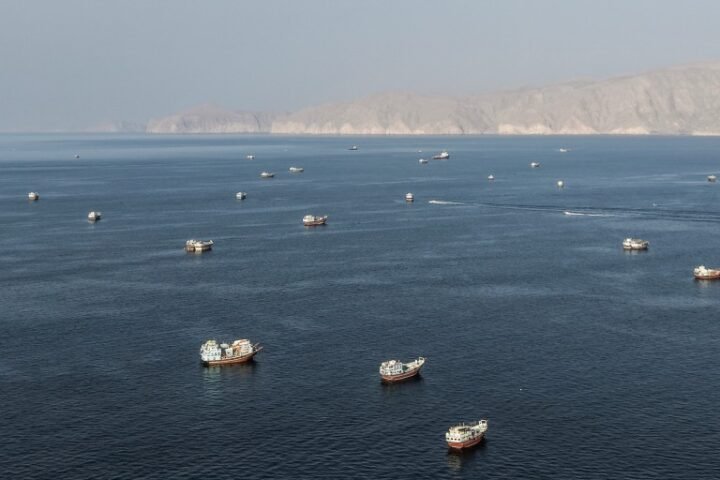
Her campaign focused heavily on the war in Ukraine, which has become a particularly sensitive issue as drone attacks have increased against commercial shipping in the Black Sea. Iotova presented herself as a candidate seeking dialogue with Russia and resisting further weapons deliveries to Ukraine. She has also declined to directly blame Russia for recent maritime-drone attacks near Bulgaria’s coast, a position that could become politically significant if it shapes the country’s approach in European and Nato forums.
The president’s powers are limited compared with those of the prime minister. The office carries the role of commander-in-chief, sets dates for parliamentary elections, appoints caretaker governments when required, and handles decisions on citizenship, asylum and pardons. The president also has a limited veto over legislation. The government and parliament therefore remain the main centres of executive and law-making power.
Even so, the presidency can influence Bulgaria’s public line on foreign policy, security and relations with European institutions. Iotova’s election gives that line a more durable political platform at a time when Radev’s movement, Progressive Bulgaria, controls the government and has strengthened its position in parliament.
Why the result matters beyond Sofia
Radev’s party, described in the campaign coverage as populist, nationalist and sympathetic to Moscow, won a decisive victory in snap parliamentary elections in April 2026. The combination of a supportive government, parliamentary strength and an allied president could allow one political camp to dominate the institutions that set Bulgaria’s external priorities.
That does not mean the president can single-handedly overturn Bulgaria’s commitments to the EU or Nato. It does, however, create more room for the government to challenge common positions on sanctions, military assistance and the security of the Black Sea. Decisions in those areas are still constrained by coalition politics, parliamentary arithmetic and Bulgaria’s obligations as an EU and Nato member.
European analysts have compared the emerging configuration with Hungary’s model under Viktor Orban, where appeals to national sovereignty and resistance to centralised EU decision-making have been used to justify repeated clashes with Brussels. Iotova and Radev have similarly criticised what they see as excessive centralisation and bureaucracy in the EU, while stressing national interests in areas such as energy security and migration.
The comparison remains a warning about possible direction rather than a settled description of Bulgaria’s political system. Bulgaria’s president has fewer powers than Hungary’s prime minister, and the election result alone does not establish that Sofia will systematically block European initiatives. The immediate concern is that a government and president sharing the same scepticism towards the EU’s current security policy may make common decisions harder to reach.
The Black Sea test
The first pressure points are likely to be practical rather than constitutional: support for Ukraine, sanctions on Russia, maritime security and the strengthening of Nato’s eastern flank. Bulgaria’s location gives its position particular weight. It sits on the Black Sea and is exposed to the spillover risks of the war, while its ports and shipping routes are connected to the wider regional economy.
A less confrontational Bulgarian government could argue that dialogue reduces the risk of escalation and protects national economic interests. Critics fear that such a policy would instead provide Moscow with another sympathetic voice inside European decision-making, especially when member states are trying to maintain a unified response to Russian aggression.
The political effect could extend beyond formal votes. Public disputes between Sofia and Brussels would give Russia more opportunities to promote narratives about divided Western societies, national sovereignty and the supposed failure of collective European policy. Bulgaria’s existing cultural, religious and economic links with Russia could make those arguments easier to circulate, although their influence will depend on domestic media, opposition parties and the government’s willingness to turn campaign rhetoric into policy.
For now, Iotova’s victory confirms a shift in Bulgaria’s political balance rather than a completed realignment. The substantive question is whether her mandate will remain largely ceremonial or be used, alongside Radev’s government, to turn scepticism about European security policy into sustained resistance inside the EU and Nato.