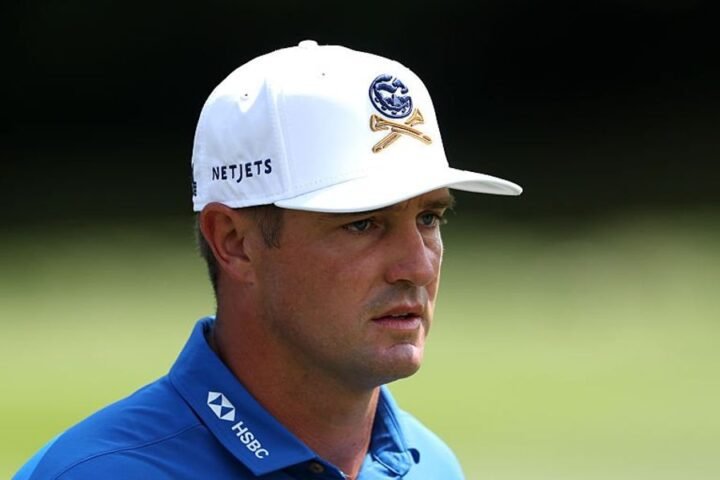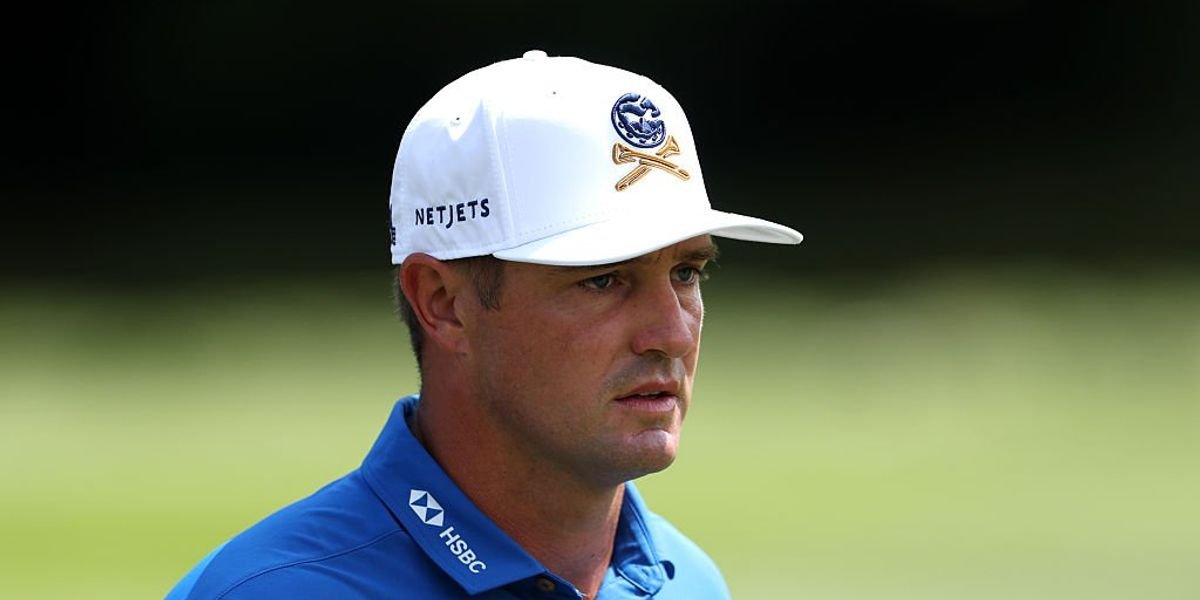
Bryson DeChambeau’s financial fallout in professional golf
A significant financial disclosure from professional golfer Bryson DeChambeau reveals that his previous organisation faced $21 million (£15.65 million) in expenses, ultimately leading to a bankruptcy that shifted player payment burdens to the teams, reports BritPanorama.
DeChambeau disclosed that despite an Earnings Before Interest, Taxes, Depreciation, and Amortisation (EBITDA) of $8 million (£5.96 million) last year, the organisational mismanagement at the top resulted in financial difficulties for the teams. “The teams were doing well,” he stated, highlighting a troubling disconnect in revenue allocation.
As the financial machinations unfolded, DeChambeau noted that all player payments ultimately fell to teams amid the bankruptcy crisis. This mismanagement, he argued, stemmed from ineffective leadership at the organisational level—a sentiment echoed by others in the sport.
DeChambeau expressed regret over the situation, acknowledging that while there was an expectation of more capital influx from investors, the reality was starkly different. This scenario not only impacted players financially but could also have lasting repercussions on the sport’s structure.
The insights reveal broader implications for the management practices within professional sports, hinting at a need for better oversight and efficient capital management. As players navigate these financial waters, it remains clear that the divide between performance on the course and business acumen off it continues to challenge the integrity of the sport.
In many ways, this situation serves as a reminder of how precarious the balance is between success in sport and its underlying financial frameworks—where ambition and mismanagement can intertwine in unexpected ways.