Labour ends coalitions with Greens over controversial policy
Labour has terminated coalition agreements with the Green Party across 11 councils following the adoption of a motion stating that “Zionism is racism.” This decision comes in response to widespread criticism, including from Labour’s leadership, which termed the motion “antisemitic,” reports BritPanorama.
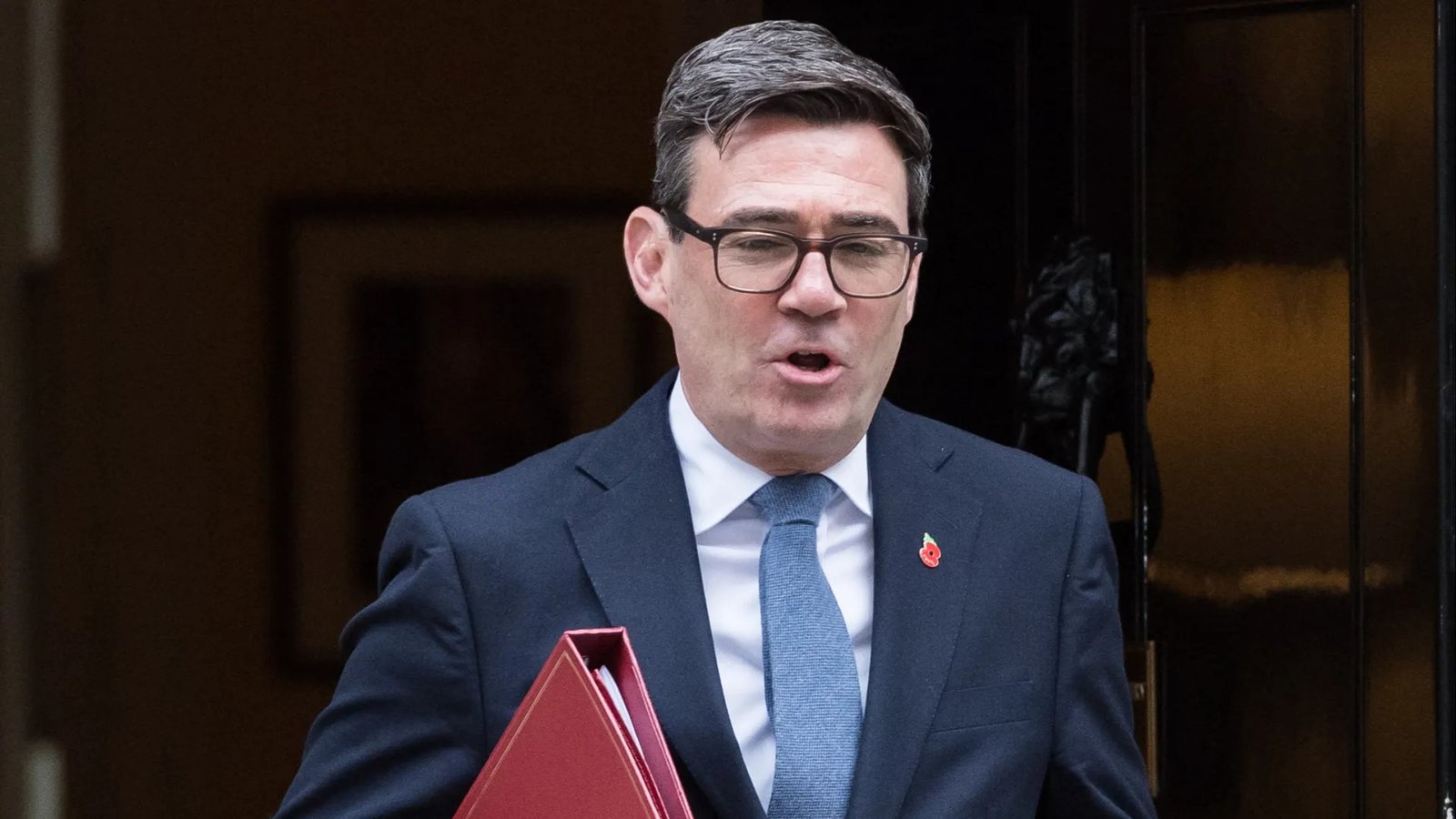
Labour Party leader Andy Burnham condemned the motion, which was approved during Green Party representative Zack Polanski’s recent conference. In a clear stance against the policy, Burnham declared that unless the Green Party disavows this notion, Labour would retract its local power-sharing arrangements.
Following Burnham’s ultimatum, Labour officially withdrew from its coalition partnerships in councils including Arun, Coventry, Derbyshire Dales, Havant, Lewes, Runnymede, Sheffield, Warwick, Wealden, West Devon, and West Suffolk. Party chair Bridget Phillipson emphasised the party’s “moral obligation” to oppose the policy, stating that any local power-sharing arrangement cannot compromise core values.
Phillipson articulated, “Labour has been clear from the start that the ‘Zionism is Racism’ policy crosses a line and we cannot work with any party that supports it – at any level of government.” The decision has sparked considerable debate within the Green Party itself, as internal discord grows over the influence of pro-Palestine activists within its ranks.
The motion has provoked strong opposition from Jewish organisations, who argue that it undermines the legitimacy of Jewish self-determination. Critics have underscored that such rhetoric dismisses the rights of Jews to have their own homeland, further fuelling accusations of antisemitism against the Green Party.
In a rebuttal, the Green Party expressed disappointment over Labour’s decision, asserting that national political manoeuvring jeopardised local councils’ successful progressive partnerships, which are crucial for delivering benefits to residents. They characterised Labour’s ultimatums as ignoring local leadership judgments and disregarding the choices made by voters.
Independent peer Lord Walney supported Labour’s move, suggesting it was a necessary step against what he described as the Green Party’s “open embrace of antisemitism.” He called on the Liberal Democrats to reconsider their ongoing collaborations with the Greens, arguing that continued partnership would undermine their credibility on the issue.
The unfolding situation indicates a significant rift in local governance and policy alignment among UK parties, as ideological convictions increasingly influence collaborative politics.
The dynamics of coalition politics in the UK are clearly complex, reflecting the challenges of balancing differing party values while maintaining effective local governance. As political affiliations evolve, the ramifications of such decisions are likely to resonate well beyond the immediate context of these councils.