Protests across Europe spark calls for change
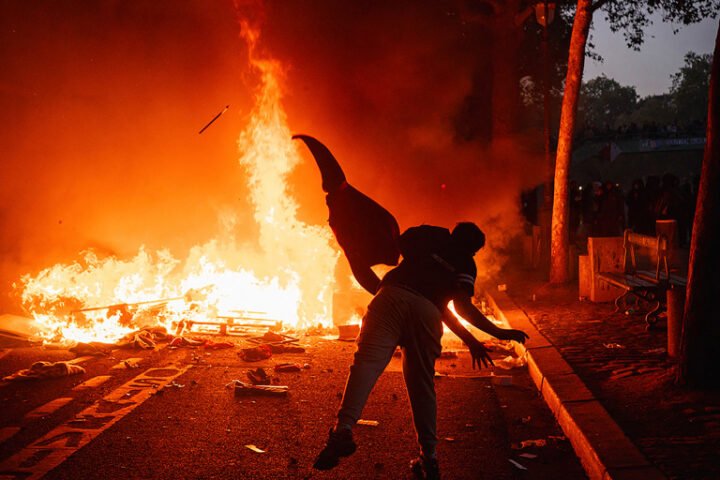
France’s Interior Ministry reported a turnout of 320,000 people in protests on Saturday, reports BritPanorama.
In Italy, Prime Minister Giorgia Meloni’s far-right government announced the deployment of 500 army troops alongside police in Milan until the end of the year. This decision follows incidents where masked protesters looted stores in the fashion capital and clashed with police earlier this month.
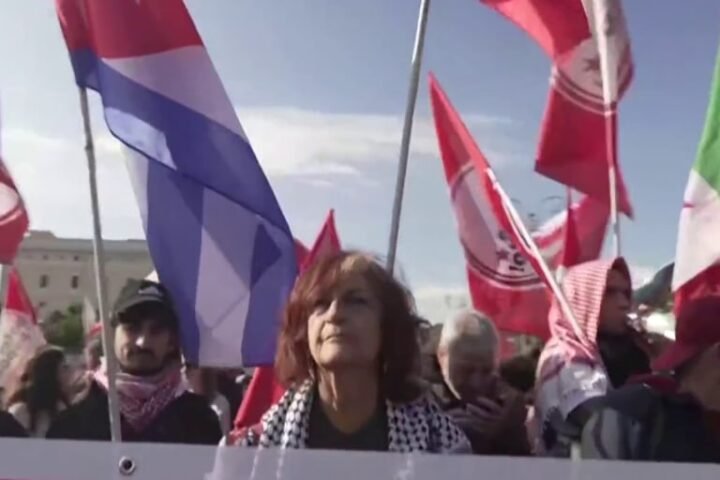
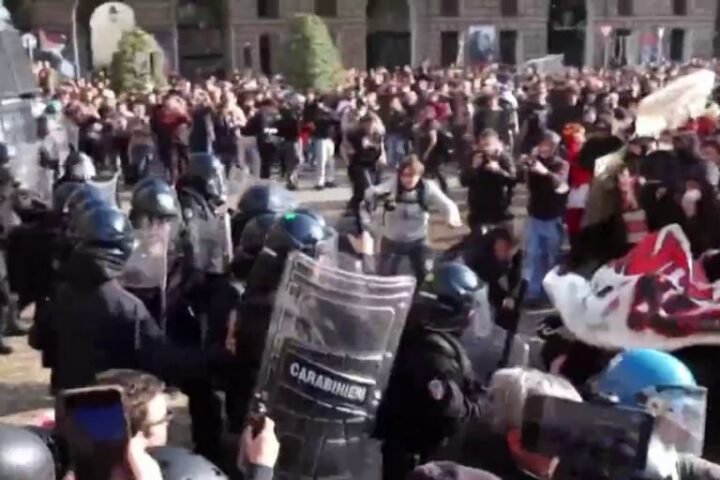
Demonstrations have erupted in various cities across Italy, including Rome, where tens of thousands took to the streets on Friday. While many of the protests were largely peaceful, an NBC News crew reported instances of police using water cannons and charging protesters to disperse crowds.
In Serbia, student-led activism has produced significant political change, contributing to the ousting of the country’s long-time leader in recent elections. Concurrently, in Portugal, authorities forcibly dismantled a tent camp in Lisbon that housed activists protesting against high housing costs. Reports indicate that police employed shields and baton charges to disperse hundreds of protesters protecting the camp.
Experts highlight that while protests across Europe may share a similar timing, their underlying issues differ significantly. Andrew Barclay, a politics lecturer at the University of Sheffield, noted that the French protests have mobilized hundreds of thousands over extensive periods, initially triggered by specific grievances such as education funding.
“Protests elsewhere may have drawn inspiration from the French,” Barclay said, “but their scale hasn’t matched.” He emphasized that although education remains a common theme in many protests, the complaints addressed have expanded, encompassing a broader range of dissatisfaction.
Barclay pointed out that protests in Germany and France are less likely to effect immediate changes in governance, contrasting them with the significant impact seen in Serbia. “Often protests, even quite large ones, don’t capture that level of support elsewhere in the country,” he cautioned, noting that the protests in Serbia were a focused response to state corruption.