The countdown to Halloween brings a heightened demand for thrilling tales, with horror novels providing a captivating alternative to cinematic frights, reports BritPanorama.
While many seek adrenaline through a good horror movie, a well-crafted story can evoke profound dread and suspense. This often requires skilled narrative techniques that leave readers eager for more. Here, we present a chronological guide to the 13 scariest horror novels, encouraging a journey through their spooky pages preferably with the lights on.
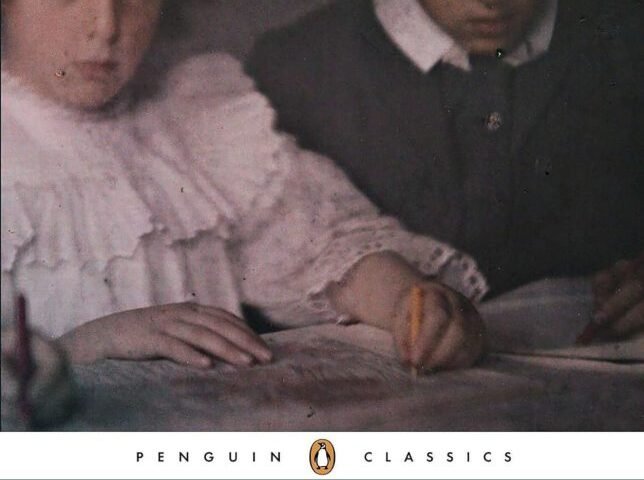
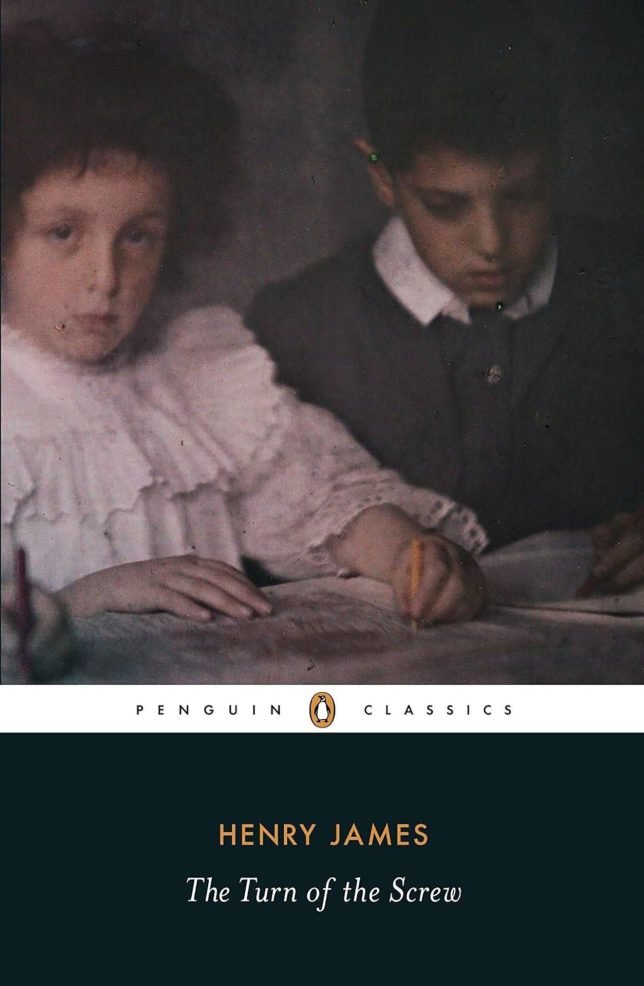
The Turn of the Screw by Henry James (1898)
In this unsettling tale, a young governess is assigned to care for two eerie children at a secluded English estate but soon encounters ghostly apparitions. The novel masterfully blurs the line between reality and madness, challenging readers to question if the hauntings are genuine or projections of the governess’s troubled psyche. The ambiguous nature of the children adds to the narrative’s chilling effect.
The Uninvited by Dorothy Macardle (1941)
This novel tells the story of a brother and sister purchasing a house in Cornwall, only to find it occupied by spirits. Their exploration into the origins of these ghosts uncovers ties to an old family trauma, emphasizing that familial secrets can often be more terrifying than the supernatural. The underlying message resonates: hidden pasts leave more profound scars than mere haunting.
The Haunting of Hill House by Shirley Jackson (1959)
Recognized as a classic of paranormal literature, Jackson’s tale involves a group of individuals investigating a supposedly haunted mansion. The character of Dr. John Montague attempts to explore the supernatural, while Eleanor Vance serves as a complex protagonist whose hidden traumas awaken the house’s dark history. Jackson’s writing famously intertwines matter-of-fact storytelling with genuine horror, creating a haunting atmosphere.
The Exorcist by William Peter Blatty (1971)
This unsettling narrative explores the themes of childhood possession and demonic warfare. The novel, which was adapted into a famous film in 1973, presents a gripping exploration of faith through the character of Father Merrin, a seasoned exorcist confronting the depths of evil.
Pet Sematary by Stephen King (1983)
King’s chilling narrative focuses on themes of death and resurrection, reflecting on the lengths to which people go to evade mortality’s grasp. The psychological horror unfolds through a haunting tale of a burial ground with the sinister ability to resurrect the dead, challenging readers to contemplate the consequences of tampering with life and death.
The Woman in Black by Susan Hill (1983)
This modern classic revolves around a young solicitor who uncovers the ghost of a woman linked to past tragedies. Hill’s storytelling remains stark and effective, illustrating how history can haunt the living, and solidifying its status as a gripping ghost story.
The Girl Next Door by Jack Ketchum (1989)
Ketchum’s harrowing novel portrays real-life horrors through its unsettling depiction of human cruelty. Based on true events, the story grips readers with its stark attention to the psychological and physical abuses that can occur in ordinary settings, devoid of supernatural elements.
The Cipher by Kathe Koja (1991)
This novel injects cosmic horror into the 90s narrative landscape, recounting the unravelling descent into obsession of a couple who discover a mysterious, bottomless hole. Their fixation leads to horrific transformations, embodying the era’s splatterpunk genre.
Audition by Ryu Murakami (1997)
Murakami’s narrative begins as a romantic story but evolves into a disturbing critique of patriarchal structures. Aoyama’s quest for love takes a sinister turn, illustrating how deeply ingrained societal roles can manifest into horror.
A Head Full of Ghosts by Paul Tremblay (2015)
This contemporary horror novel tackles mental health and media exploitation through the story of Marjorie Barrett, whose erratic behavior raises questions about possession versus illness. Tremblay’s writing invites reflection on societal narratives surrounding trauma and suffering.
Tender is the Flesh by Agustina Bazterrica (2017)
An unsettling near-future scenario explores the normalization of cannibalism following a livestock pandemic. Through the experiences of Marcos, a slaughterhouse manager, the narrative confronts humanity’s dark turn as it confronts ethical and moral boundaries.
Mexican Gothic by Silvia Moreno-Garcia (2020)
This atmospheric story involves a young woman delving into family secrets within a decaying mansion. The novel effectively uses grotesque fungi as a metaphor for decay, blending horror with social commentary in 1950s Mexico.
The Buffalo Hunter Hunter by Stephen Graham Jones (2025)
Jones delivers a powerful narrative that intertwines horror with the historical injustices faced by Indigenous peoples, creating a nuanced exploration of violence and resistance. This novel offers a fresh take on horror, drawing parallels with contemporary societal issues.