Burnham faces pivotal challenges as November approaches
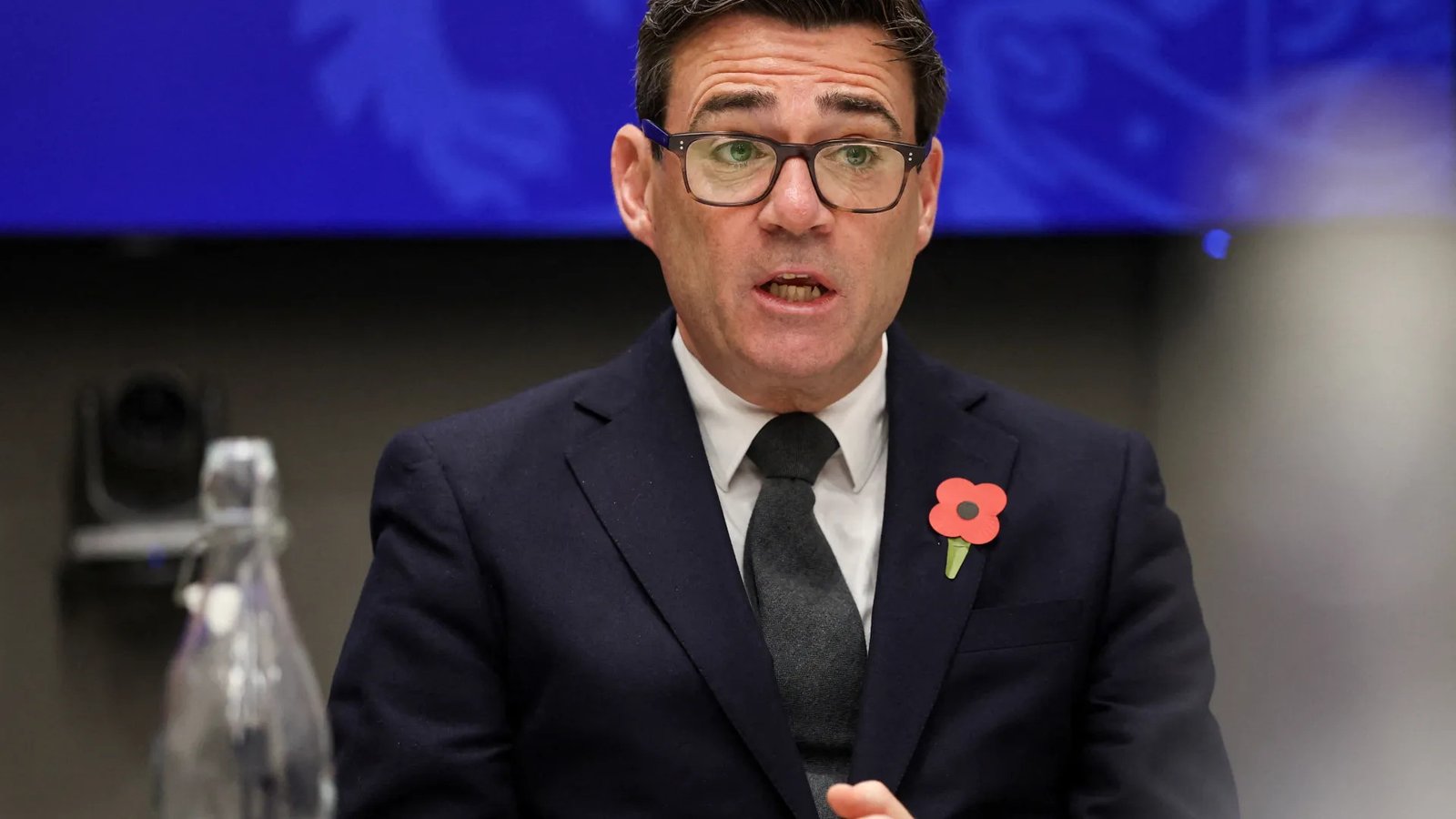
The UK Prime Minister, Andy Burnham, is bracing for a crucial period as a series of pressing issues unfold this November, following the recent presentation of his first Budget. Among notable measures, Chancellor John Healey has allocated £100 to 20 million households to assist with their energy bills, extended the reduction in VAT on electricity, and frozen fuel duty to offer some respite to struggling families, reports BritPanorama.
Public reactions to the Budget have been mixed; a YouGov poll indicated that 45% viewed it as fair, yet over half believed it would not significantly affect their family’s financial situation. Despite some positive aspects, many maintain that the economic outlook remains grim, with nearly three-quarters expressing dissatisfaction with the current state of the economy.
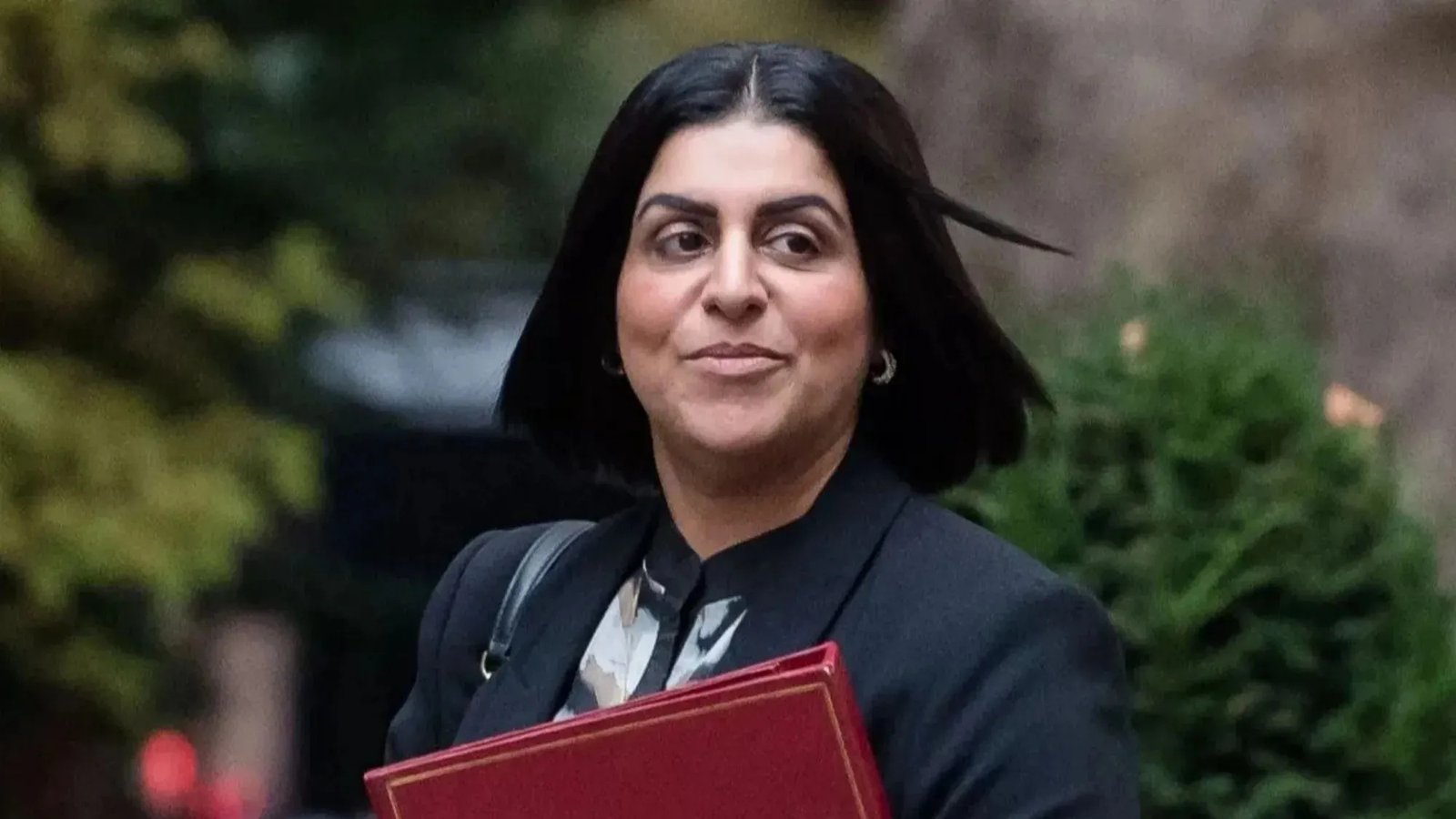
Amid this backdrop, Burnham’s administration must contend with increasing pressure to address several contentious issues including immigration, welfare reform, and policing. The Home Secretary, Shabana Mahmood, is due to unveil proposed changes regarding permanent residency for migrants, igniting backlashes from within the Labour party.
This dissatisfaction reflects a growing unease within party ranks, as many Labour MPs anticipate backlash regarding plans that may retroactively affect those already residing in the UK. As the government navigates these challenges, a source indicated that adjustments might occur in response to internal dissent, suggesting the PM’s intentions may need realignment.
In addition to domestic issues, Burnham’s upcoming international schedule includes attendance at key summits across the Caribbean, Turkey, and Dublin, raising questions about his commitment to tackling pressing issues at home while managing diplomatic engagements. The Prime Minister’s itinerary underscores a delicate balance of priorities—where he hopes to address significant economic partnerships that could potentially generate substantial returns.
As debates around welfare continue, two critical reviews regarding Britain’s welfare system are expected to surface soon. These include discussions on benefits for young people not in employment, education, or training, alongside revisions to the Personal Independence Payment, a previously contentious topic that could resurface tensions within party lines.
Moreover, Burnham gears up for a significant diplomatic encounter with EU leaders Ursula von der Leyen and António Costa slated for November 20. The meeting is seen as pivotal for forging new agreements regarding food exports and energy, anticipations straddling aspirations for future economic growth and the sensitivity of re-engaging with the EU.
As November unfolds, Burnham’s ability to juggle these challenges will be closely scrutinized. Critical decisions loom on the horizon, and with mounting internal pressures, his leadership will undoubtedly be tested in the coming weeks. The political landscape continues to evolve, leaving many to speculate how a range of unresolved issues might affect both the government and the Prime Minister’s strategic vision for Britain’s future.
Should his initiatives spark contention, Burnham will need to rethink a framework that ensures unity while addressing the diverse challenges his government faces. As the realm of political negotiations unfolds, November holds significant implications for the future trajectory of UK governance.
In an age where commitment to informed debate is essential, the decisions made by Burnham’s government will inevitably shape the UK’s economic landscape and its relationship with Europe. The interplay between bold strategic vision and public expectations underlines the complexities of contemporary governance.