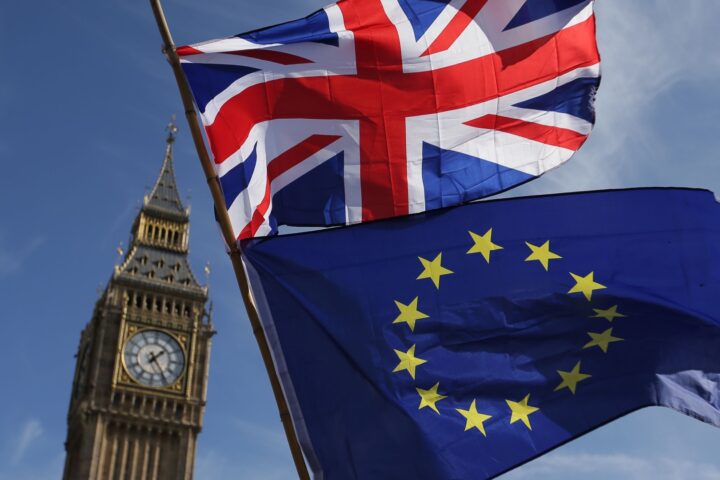
Labour’s Brexit row intensifies as ministers distance themselves from rejoining EU
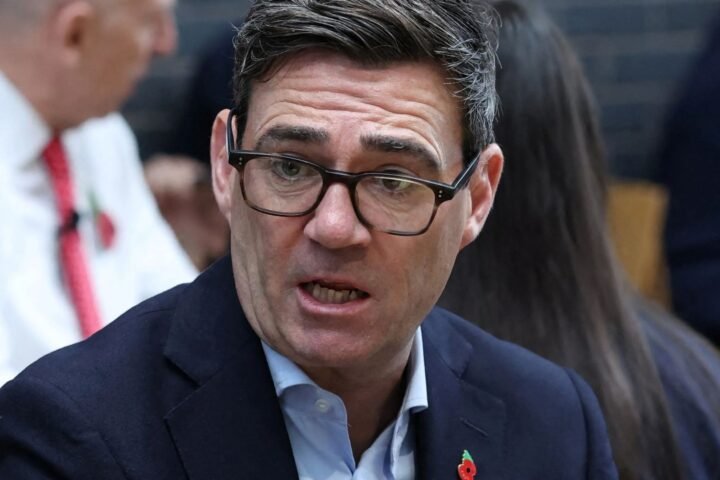
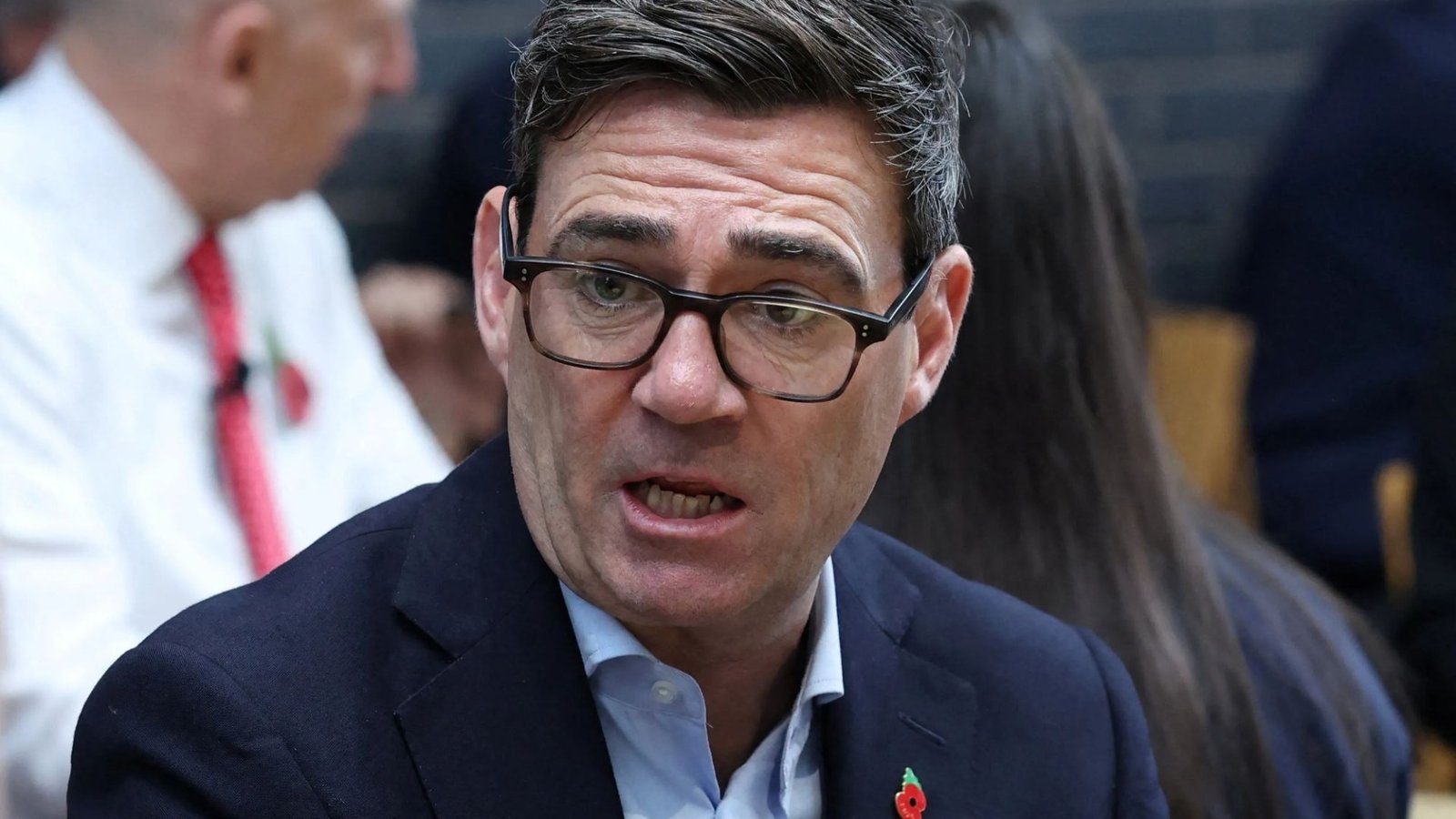
Labour’s internal disputes over Brexit escalated as two Cabinet ministers distanced themselves from Andy Burnham’s aspirations to rejoin the EU. Chancellor John Healey and Business Secretary Jonathan Reynolds notably refrained from supporting the Prime Minister’s vision of returning to Brussels during his lifetime, reports BritPanorama.
Reynolds expressed discomfort with the idea of re-engaging with a Europe increasingly influenced by right-wing populism, saying that current political currents in EU member states complicate such a prospect. When questioned about sharing the Prime Minister’s vision, he stated, “I genuinely can’t answer that, because I don’t know what the future of the EU is.”
He further elaborated on his concerns about regulatory approaches in Europe, particularly regarding technology and the economy. Many EU nations, he noted, are now led by parties aligned with right-wing ideologies, which raises questions about the future direction of the EU itself.
Additionally, Reynolds sidestepped inquiries regarding the potential reinstatement of free movement for EU nationals, a policy which would grant millions the right to live and work in the UK. Burnham had hinted that a new relationship with Brussels could include revisiting this issue, yet Reynolds emphasized that “no decisions have been made. The British public will decide.”
Chancellor Healey mirrored this reluctance, indicating skepticism towards rejoining the EU, stating, “I’m older than Andy Burnham. I don’t expect to see that,” when discussing the likelihood of the UK rejoining the EU in his lifetime.
Moreover, Healey seemed to diverge from the Prime Minister’s viewpoint regarding the impact of Brexit on the UK economy, suggesting a lack of consensus within the Labour leadership. Burnham has warned his ministers against publicly endorsing specific proposals regarding the future UK-EU relationship, maintaining that he has not imposed silence but rather encouraged discretion amidst ongoing confusion.
The Prime Minister remains optimistic about negotiating EU agreements in areas such as food and drink and youth mobility, asserting that there will be no “fundamental change” to the UK’s relationship with Europe in this parliamentary term.
As Labour grapples with its identity and strategy regarding Brexit, the divergent views of its leaders highlight the complexities and tensions inherent in navigating post-Brexit relations.
This internal division could shape not only party dynamics but also the broader political landscape as debates around Brexit continue to evolve.