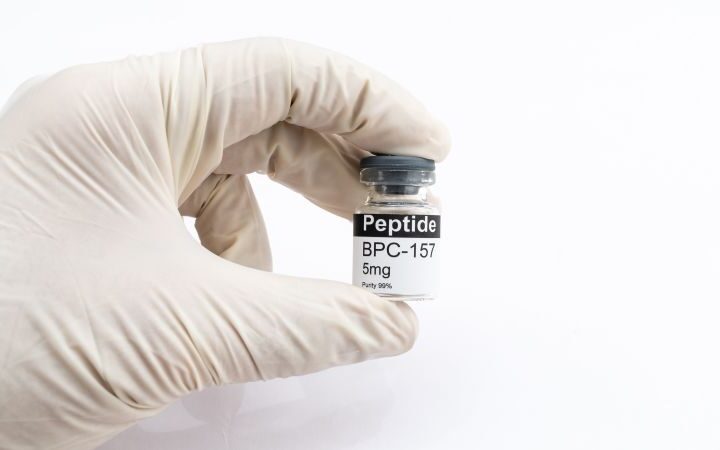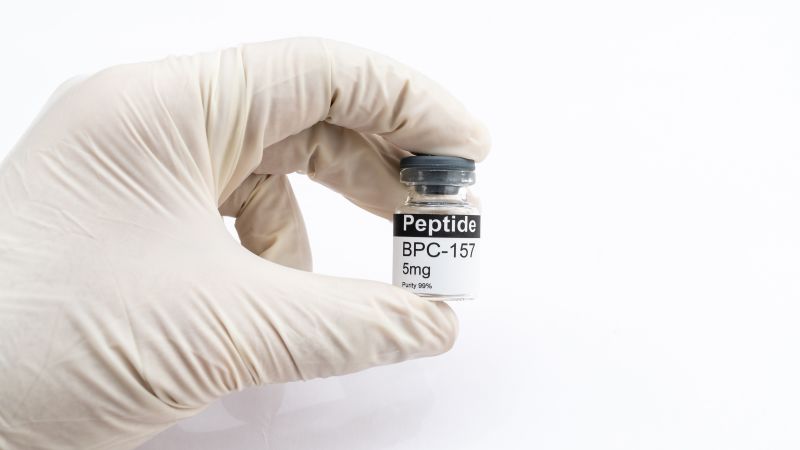
The US Department of Health and Human Services has unveiled a draft policy aimed at easing restrictions on the creation of certain peptides within the United States, potentially expanding access to these compounds, reports BritPanorama.
This policy shift has garnered mixed reactions; while many wellness advocates have welcomed the decision, concerns have been raised regarding the safety and efficacy of these substances.
Peptides, which are short chains of amino acids that act as building blocks for proteins in the body, include well-known medications like insulin and GLP-1 drugs used in diabetes management, such as Ozempic and Wegovy. However, the six injectable peptides referenced in the new policy differ from these approved medicines and are primarily sought after by wellness influencers and certain athletes. Proponents argue these peptides can aid in reducing inflammation and enhancing recovery, but they lack approval from the US Food and Drug Administration (FDA), meaning they have not undergone rigorous safety and efficacy evaluations.
The draft policy identifies peptides like BPC-157, KPV, TB-500, MOTS-c, Semax, and Epitalon as substances that compounding pharmacies could produce, although they would not receive FDA approval. HHS contends these measures might improve safety by reducing dependence on an unregulated gray market where consumers currently acquire these peptides without medical consultation, a risky undertaking.
What are peptides?
Peptides serve as crucial components in various biological processes and are significant in medicine. For instance, insulin is a peptide vital for regulating blood sugar levels. As interest in the wellness sector grows, so does the demand for certain peptides claimed to enhance health, although the medical community remains divided on their benefits.
Currently, consumers can procure peptides from unregulated sources online, a practice the new policy seeks to address by mandating prescriptions for accessing these peptides through licensed pharmacies. Under this policy, prescribers must ensure accountability through carefully sourced ingredients and safety reporting.
What does the new policy say?
According to the draft policy, compounding involves pharmacists or licensed physicians customizing medications to meet individual patient needs. It aims to discourage the unregulated gray market for peptides that endangers consumer safety.
The policy allows for the compounds to be created only under specific state and federal oversight, emphasizing the need for traceable prescriptions and quality testing. While the FDA does not apply its regular approval standards to compounded drugs, HHS stresses consumer safety by requiring regulated compounding practices.
This change follows a close vote in July by the FDA’s Pharmacy Compounding Advisory Committee, which supported easing restrictions on the discussed peptides. The committee highlighted a perceived necessity for a safer regulated market pathway for peptides amid ongoing consumer demand.
However, not everyone agrees. Critics within the committee argue that limited data exists supporting the safety or efficacy of these peptides, and recent actions have led to scrutiny over potential conflicts of interest among committee members.
What are the arguments for and against?
Supporters argue easing restrictions may provide consumers with a safer access route to these drugs through licensed pharmacies, thus reducing gray market risks. Dr. Hal Mohammed, a committee member, pointed out the dangers of the unregulated market, emphasizing a physician’s responsibility to safeguard patient health.
Conversely, detractors caution about insufficient evidence backing the compounds’ safety or effectiveness, with some expressing apprehension about catering to market demands instead of scientific validation. Dr. Elizabeth Rebello, another committee member, remarked on this risk of prioritizing demand over solid scientific bases.
As the policy progresses, the fallout from this significant regulatory change will likely unfold in the months to come. Currently, the 14-day comment period for the proposed policy suggests HHS is intent on refining regulations to reflect both patient safety and consumer interests.
Ultimately, the development of a credible regulatory structure is crucial, ensuring that patients obtain these substances from safe, regulated sources rather than illicit suppliers with dubious product quality. The conversation surrounding peptides reflects broader themes in healthcare regulation and consumer safety that will continue to evolve alongside these policy shifts.
What remains clearly evident is the ongoing tension between innovation in health solutions and the necessity for patient protection in an ever-changing regulatory environment.