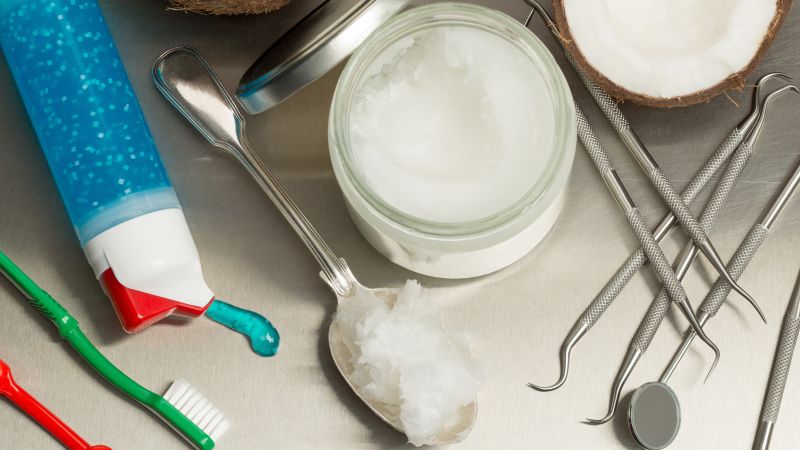
Recent reports suggest that the ancient practice of oil pulling, using substances like coconut oil, has gained popularity as an alternative oral hygiene method, reports BritPanorama.
Oil pulling involves swishing oil in the mouth for five to 20 minutes before spitting it out, with proponents claiming benefits such as whiter teeth and fresher breath. Enthusiasts often share their routines online, promoting it as a natural mouthwash that promotes a healthier oral microbiome and better gut health.
This technique, rooted in Ayurvedic medicine, dates back thousands of years and was traditionally used when toothbrushes were not available. The practice was believed to help remove toxins from the mouth, which are thought to contribute to overall health, making it a popular alternative in the modern movement toward natural wellness practices.
However, despite its resurgence, dental professionals approach oil pulling with caution. Dr. Matthew Messina from the American Dental Association notes that while oil pulling has shown some potential in reducing bacterial counts in the mouth, there is limited evidence supporting its efficacy in preventing plaque buildup or gum disease when compared to brushing with toothpaste.
What’s old is new again
Today’s rendition of oil pulling mirrors the original technique: swishing edible oils like coconut or sunflower oil before expelling it. A meta-analysis published in 2022 found oil pulling does reduce bacterial counts in the mouth but provides no substantial evidence of its superiority over regular oral hygiene practices.
Dr. Messina states, “There’s no scientific evidence that oil pulling is beneficial, but there is also no evidence that it’s detrimental.” While it might have served as a preferable method in ancient times, he emphasizes that modern dental care routines are far more effective.
Before toothpaste
The ancient practice of oil pulling was perceived as superior or essential before the invention of toothpaste, which has scientifically proven benefits for oral health. However, as Dr. Messina explains, current recommendations focus on routine brushing and flossing, making oil pulling a relic of past necessity rather than a valid substitute for contemporary oral hygiene.
Furthermore, while experts acknowledge that oil pulling might enhance some individuals’ brushing habits inadvertently—possibly improving overall oral hygiene—it cannot replace proven medical treatments like antibiotics for infections, which remain essential for maintaining oral health.
More time-consuming than effective
Experts are generally not advocating for oil pulling but aren’t outright dismissing it, either. The consensus is that while individuals may feel as though they are contributing positively to their dental care through oil pulling, the time and effort might be misallocated. Dr. Kami Hoss, a dentist and orthodontic specialist, stated that it creates a “false sense of protection” without offering substantial benefits.
In summary, oil pulling can be viewed as a practice steeped in tradition with limited present-day benefits, especially regarding dental health. While it might not pose serious risks, its efficacy as a replacement for established oral care practices is questionable.