Andy Burnham promises honest conversation about Brexit
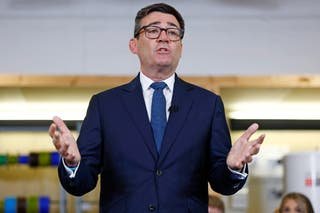
Andy Burnham has vowed to engage Britain in an “honest conversation” regarding Brexit, as confusion surrounding the potential for another referendum continues to loom, reports BritPanorama.
The Prime Minister appeared to sideline the idea of restoring freedom of movement without a public vote, only for Downing Street to clarify hours later that a referendum was not under discussion. This conflicting messaging has left many questioning the government’s stance on crucial immigration issues.
Downing Street has also refrained from confirming whether voters will have a say during the next general election, despite suggestions from Labour Deputy Leader Angela Rayner just a day prior. This ambiguity contributes to a climate of uncertainty surrounding the Labour Party’s approach to Brexit.
Importantly, Burnham has not proposed reinstating freedom of movement but insists that Labour’s established Brexit principles will be upheld throughout the remainder of the current Parliament. He advocates for an examination of whether the UK’s relationship with Brussels is functioning effectively and what the future might entail.
This dialogue could span a range of possibilities, from enhanced trade agreements to rejoining the single market or possibly returning to the EU. However, Burnham has also set a precedent with his assurance to pro-Leave constituents in Makerfield that he would refrain from “re-running” the Brexit debates.
The implications are significant for the millions who voted Leave in 2016, for whom the issue of immigration was a primary concern. The aspiration to take back control over immigration policies was central to their decision. Yet, with Labour’s Cabinet increasingly divided and figures like Nigel Farage expressing willingness to align with the Conservatives, the spectre of old Brexit disputes is resurging, complicating the political discourse further.
The evolving situation underscores the complexities of navigating Brexit’s aftermath, as the public and policymakers grapple with what the future of the UK’s relationship with the EU should look like.
The continued uncertainty and mixed messages from the Labour leadership reflect an ongoing struggle to reconcile differing views within the party and the wider electorate as Britain forges its path post-Brexit.
As Burnham’s position continues to unfold, the critical question remains: how will the government address the evolving demands of the public regarding Brexit and immigration policy?
In times of political complexity, the challenge lies in finding a way forward that balances democratic engagement with the realities of governance.