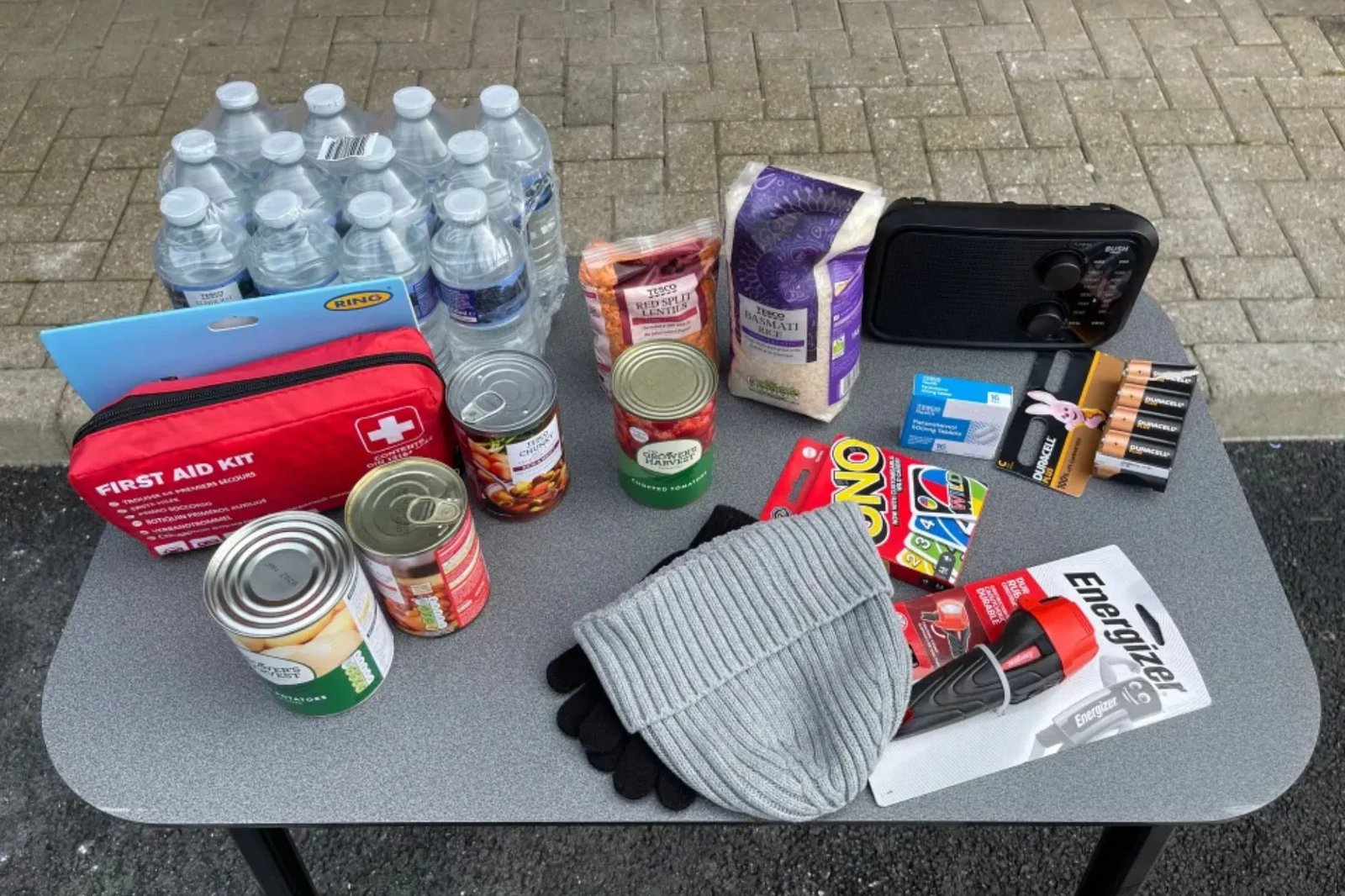
Government urges households to prepare for emergencies
The UK Government is advising families to evaluate their readiness to survive three days without electricity, running water, or access to shops, reports BritPanorama.
As part of its emergency preparedness initiative, the government is urging households to stockpile food, water, and other supplies in anticipation of potential national crises that could disrupt essential services. This guidance comes amid concerns over a range of threats, including severe weather events, cyber attacks, and power outages.
Defence Secretary Wes Streeting stressed the importance of this preparedness, stating, “It’s really important we ask households and businesses, are they prepared?” As recent events have shown, the need for individuals to be proactive in their emergency planning has never been more apparent.
While many experts agree that taking simple precautions is prudent, some question the overall resilience of Britain’s infrastructure. The government has a fundamental duty to ensure that basic services remain operational, especially during emergencies.
Critics argue that while families are encouraged to prepare for potential disasters, the government must also invest in upgrading the ageing infrastructure that currently strains under increasing demands. Without proper support, any initiative urging families to be self-sufficient may fall short.
There is also recognition that while preparedness is essential, the natural unpredictability of events like storms and power failures cannot be entirely eliminated. Nevertheless, substantial investment will be necessary to bolster the country’s infrastructure.
In light of these concerns, it remains crucial for the government not only to promote personal responsibility but also to ensure that public systems are robust enough to support communities in times of need.
As the debate continues, the call for a balanced approach to emergency preparedness highlights the urgent need for government action alongside citizen participation.
This situation prompts a broader reflection on national readiness, urging both policymakers and citizens to engage in necessary discussions about resilience and community support.