Andy Burnham has corrected the record and “apologised” after saying an “individual” was “responsible for the murder” of Ann Widdecombe, reports BritPanorama.
The Prime Minister faced criticism from the Conservative Party over accusations of breaching the presumption of innocence following his comments made during Prime Minister’s Questions. Mr. Burnham amended his statement in the official record, Hansard, but Downing Street remained silent on the issue as of Wednesday evening.
A spokesperson for Downing Street confirmed, “A correction has been issued to Hansard, and that will be published in due course.” When asked if the Prime Minister understood the gravity of the statement, the spokesperson noted that issuing an update spoke volumes.
During the parliamentary session, Burnham had referred to the “individual responsible for the murder” of Widdecombe, a former Conservative minister and Reform UK’s justice spokesperson, despite the early legal stages of the case.
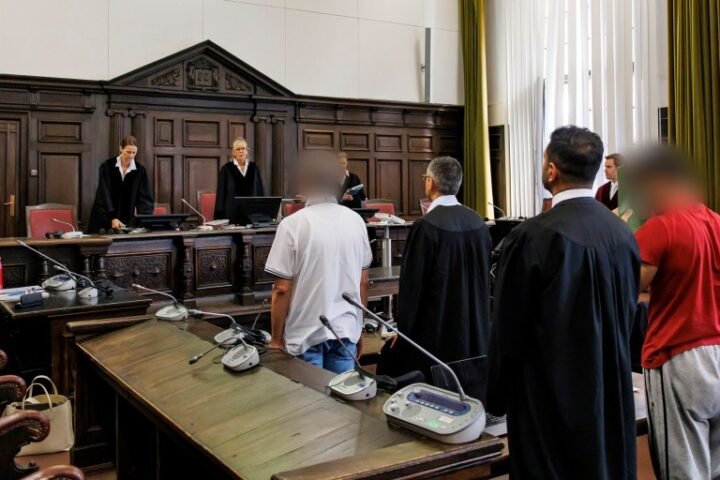
Joshua Kerry, 28, was arrested on suspicion of murder on July 11, two days after Widdecombe, 78, was discovered dead at her residence in Haytor, Devon. A trial is scheduled for June 8 next year, with a plea and case management hearing set for January 29.
Kerry, of Byrley Road, Rotherham, South Yorkshire, has also been charged with a terror plot against Nigel Farage, leader of Reform UK.
On Thursday, Commons Leader Sir Alan Campbell stated that Mr. Burnham had apologised for the error, noting Jesse Norman’s remarks, which characterised the Prime Minister’s comment as “deeply disrespectful.”
Sir Alan remarked, “The Prime Minister has acknowledged that he misspoke… He said that he misspoke, he has apologised, and he has corrected the record.” He added, “There isn’t an excuse for misspeaking in the House, but this Prime Minister is characterised by an authenticity and a passion in the way that he responds.”
Under parliamentary privilege, words spoken by MPs in the House of Commons are protected. The sub judice rule prohibits MPs from discussing matters awaiting adjudication in court to prevent influencing the outcome of proceedings. Speaker Sir Lindsay Hoyle granted a “limited waiver” for discussions regarding the case. Following Mr. Burnham’s remarks, Mr. Norman raised a point of order, reminding MPs of the principle of innocence until proven guilty. “The presumption of innocence goes back to Magna Carta. It applies without exception,” he stated, condemning the Prime Minister’s comments as contrary to the rule of law.
The incident not only highlights the intricacies of parliamentary language but also raises questions about the boundaries of comment in sensitive legal matters.