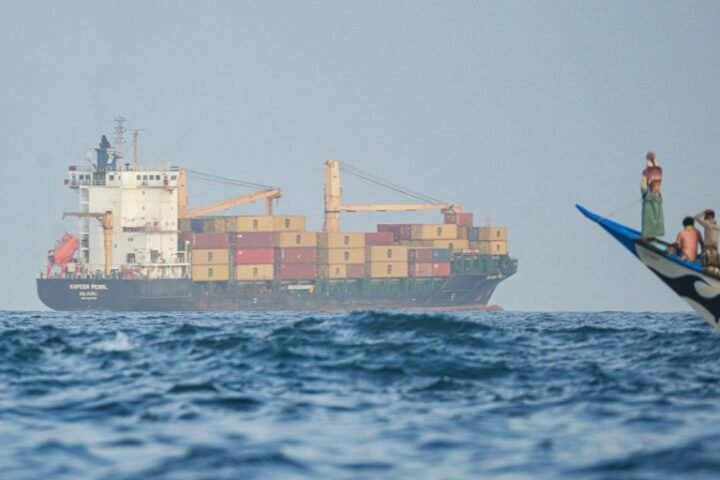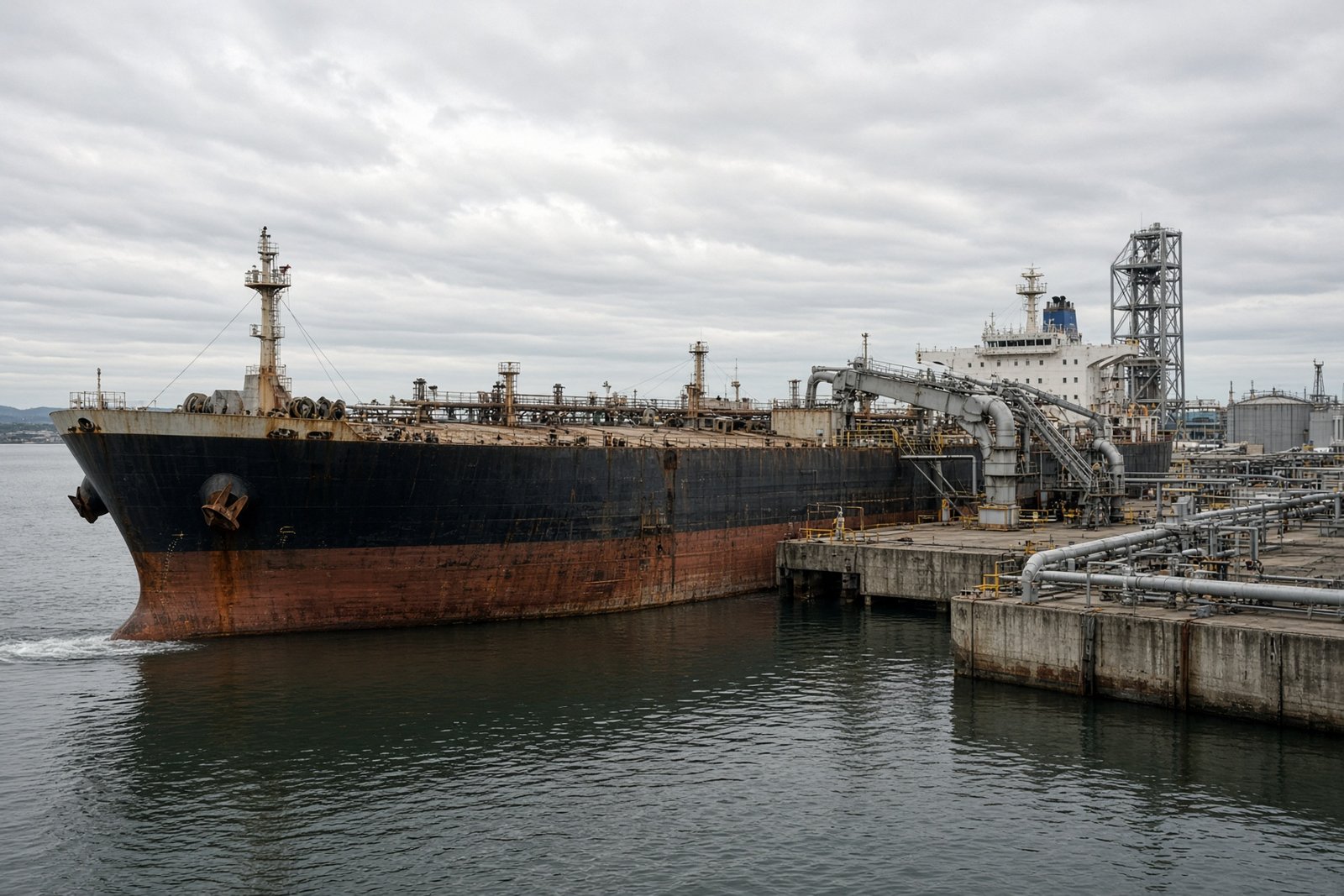
The European Union is finding that the most effective way to disrupt Russia’s shadow tanker network may be to attack the paperwork that keeps it afloat. Flag registrations, insurance, finance and access to ports are becoming as important as inspections at sea.
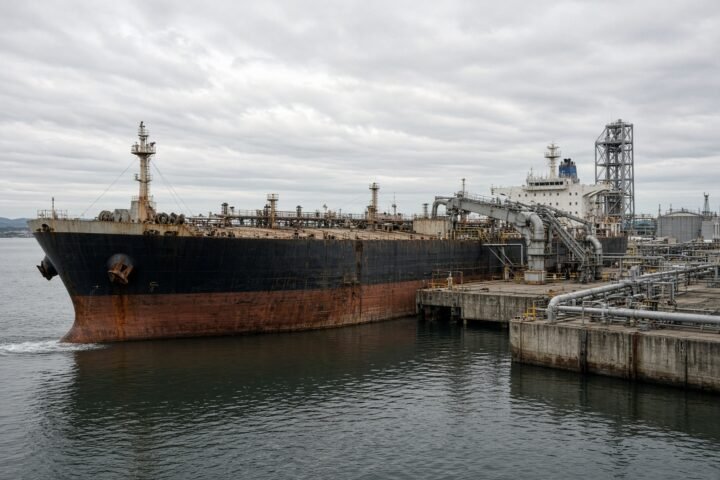
That pressure comes as EU foreign policy chief Kaja Kallas warns that ageing, poorly maintained and inadequately insured tankers could become “ticking environmental bombs” off Europe’s coastline. Her warning points to a tangible risk of spills and disputed liability; it does not establish that Russia intends to sink vessels deliberately.
Reporting on Kallas’ warning and additional coverage placed the remarks within the EU’s wider effort to constrain ships carrying Russian crude and petroleum products around sanctions.
The legal identity of a ship matters
A tanker’s flag is not merely a piece of paint on its stern. The state of registration is expected to oversee the vessel’s safety, maintenance and compliance with maritime rules. It also provides the legal framework on which insurers, banks, ports and trading companies rely.
That is why the removal of hundreds of sanctioned vessels from several African national registers, following requests from the EU, has become a significant pressure point. A ship that loses its flag is more exposed to inspection or detention. It may also find it harder to obtain insurance, secure finance, arrange a cargo or enter a port without questions being asked about its status.
The measure does not automatically stop a tanker operating. Operators can seek a new registration, alter a vessel’s name or change the companies appearing to control it. But every new layer of uncertainty raises the cost of doing business. A network built to keep cargo moving depends on routine access to services that are far less routine when ownership and registration cannot be verified.
This is the particular vulnerability of the shadow fleet. It is not one centrally commanded armada, but a shifting collection of tankers, intermediaries, companies, insurers and flag states. Its flexibility helps it adapt to sanctions. The same complexity can also make it commercially fragile.
Why the environmental risk is hard to price
The reporting puts the shadow fleet at roughly 17 per cent of the world’s tanker fleet. That estimate describes the scale of the challenge, not a uniform condition shared by every vessel in the category. The concern is that a substantial number of tankers are old, less transparent in ownership and operating with insurance arrangements that may not match the cost of a major accident.
A collision, grounding or mechanical failure could affect far more than the cargo. Oil pollution can damage coastal waters, fisheries, ports and tourism, while containment, salvage and clean-up operations can continue long after a ship has been removed. If the beneficial owner is concealed or liability cover is inadequate, the affected coastal state may struggle to recover the full bill.
That makes environmental protection inseparable from sanctions enforcement. A shipment that is difficult to trace before an accident may be equally difficult to attribute afterwards. The central question is not simply whether a tanker can carry oil, but whether someone with the means to meet the consequences can be held responsible when the voyage goes wrong.
Insurers and banks therefore have a role that extends beyond compliance departments. If they refuse to support vessels without credible registration, transparent ownership and adequate liability protection, they can raise the cost of risky shipping before an emergency occurs. Traders, brokers and charterers can apply similar pressure by declining contracts that leave the legal chain obscure.
Six inspections, wider consequences
Three months after the European Union expanded its maritime operation Irini, Kallas said EU maritime forces had carried out six inspections. She said all were conducted in accordance with international law and that each check cost Russia time and money.
Those inspections demonstrate the visible side of enforcement. At sea, however, authorities need a lawful basis for action, accurate information about a vessel and its cargo, and coordination between the states involved. Boarding or detaining a ship can consume resources and create diplomatic complications. Six inspections are therefore an indication of activity, not evidence that the network has been dismantled.
The quieter measures on land may have a wider effect. Removing a ship from a register changes how every commercial actor must assess it. An insurer may withdraw cover; a bank may reject a payment; a port may demand more information; a trader may decide that the legal and reputational risk outweighs the value of the cargo.
In that sense, diplomacy can do what a patrol cannot. It can make the supporting infrastructure less willing to handle a vessel, without requiring European authorities to intercept every tanker themselves. The tactic is slower and less dramatic than an operation at sea, but it reaches the contracts and guarantees on which the voyage depends.
Security concerns need evidence
Kallas has also said Russia has used shadow-fleet vessels in hybrid attacks against Western states. The information available does not identify particular tankers, operations or evidence linking individual ships to specific attacks. That claim should therefore be treated as a stated security concern, not as proof that every opaque tanker is involved in covert activity.
Commercial maritime infrastructure can, in principle, be used for surveillance, disruption or political pressure. Yet an unclear ownership structure, weak insurance or a convenient flag is not enough on its own to establish an unlawful operation. European authorities will need to distinguish between a poorly documented and potentially hazardous commercial voyage and a proven hostile act.
That distinction is important for both security and law. Inspections and detentions must rest on defensible grounds under international law, while intelligence assessments need to be specific enough for coastal states, port authorities and financial regulators to act on them. Better information about beneficial owners, compatible sanctions lists and rapid data-sharing will matter as much as additional patrols.
Can the network keep changing faster than the rules?
The shadow fleet’s defenders, operators or intermediaries do not need to preserve one fixed structure. They can replace a company, switch a flag, rename a ship or reroute a cargo when scrutiny intensifies. That adaptability is why isolated actions are unlikely to be decisive.
The EU’s task is to join its pressure points together: registry decisions, maritime inspections, insurance requirements, financial controls and scrutiny of ownership. A ship that fails in one area should not be able to pass unchallenged through all the others.
For Europe, the immediate test is practical. It must reduce the chance that an ageing tanker becomes the source of a costly spill, while ensuring that commercial opacity cannot indefinitely protect sanctions-evading trade or conceal genuine security threats. The next battle may take place at sea, but whether the fleet can continue to operate will be decided in the registers, contracts and bank accounts behind each voyage.