Russia’s October utility increase is putting household budgets under pressure before the country’s ageing water, heating and power networks have been repaired. From 1 October 2026, individual charges rose by between 12% and 17.1% in a single week, well above the government’s forecast of a 9.9% average increase across the full household bill.
The adjustment has also landed in the inflation figures. Consumer prices rose by 0.96% in the week from 29 September to 5 October, compared with 0.12% the week before. For families already facing higher food prices, the immediate question is what gets cut when an unavoidable monthly bill takes a larger share of the budget.
The headline average hides the sharpest rises
Figures attributed to Russia’s Federal State Statistics Service, known as Rosstat, show that wastewater charges recorded the biggest increase, rising by 17.1%. Cold-water tariffs climbed by 15.3%, hot water by 14.2%, heating by 12.7% and electricity by 12%.
These are increases for separate services, not a claim that every household’s total bill rose by the same amount. But that distinction offers limited comfort to households that rely heavily on central heating, use more water or face high electricity consumption. A national average can look manageable while a particular tariff line makes a much larger difference on an individual bill.
The adjustment was reported on 8 October 2026 by Gogov and by an economic Telegram channel. Rosstat data cited in that reporting put annual inflation at 7.1%. The weekly increase was the sharpest since spring 2022, excluding an unusually high reading at the start of January associated with a value-added-tax rise.
The timing does not show that utility indexation alone caused the entire acceleration in prices. It does demonstrate how quickly regulated charges can feed into the cost of living. Water, heating and electricity are difficult to avoid, while food and other essentials are becoming more expensive at the same time.
A postcode can change the size of the shock
The burden is not distributed evenly across Russia. Reported increases range from about 8% in some regions to 20% or even 22% in others. Regional authorities also apply different rules when deciding whether a household qualifies for help with housing and utility costs. The maximum share of household income used in those calculations ranges from 10% to 18%, depending on the region.
That creates a patchwork of exposure. Two families with similar earnings may receive very different bills, or reach the threshold for assistance at different points. A rise that remains manageable in one area can consume a much larger portion of a household’s income elsewhere.
The groups with the least room to absorb the increase are likely to feel it first: pensioners, students, large families and people on low incomes. For a household without meaningful savings, an extra few hundred roubles a month is not a minor inconvenience. It may mean delaying purchases, reducing food spending or putting off medical and other essential costs.
Authorities have encouraged people to save electricity and water and to pay according to actual consumption. That advice assumes consumers can readily control their bills. In practice, reducing consumption often requires money upfront: heat meters must be installed, walls insulated or windows in shared parts of buildings replaced. Such measures may lower costs over time, but they are difficult to finance when disposable income is already being squeezed.
The next increases are already in view
October’s rise is not expected to be the end of the cycle. Further increases of 8.6% in 2028 and 7.6% in 2029 have been projected. Expert estimates cited in the reporting put the cumulative increase in utility costs between 2026 and 2029 at about 58.2% when the rises are compounded.
That figure is a forecast rather than a charge already imposed. It nevertheless points to a sustained increase in the cost of essential services, rather than a one-off adjustment. With no indication in the supplied reporting of a broad tariff freeze or near-term reduction, households are being asked to plan around bills that are expected to keep rising.
The pressure will extend beyond private homes. Electricity and heating are operating costs for bakeries, private clinics, schools, retailers and other small and medium-sized businesses. Some firms may pass part of the increase on through higher prices, giving utility charges a second route into inflation beyond the household bill.
That effect can be particularly significant for businesses with little scope to reduce consumption. A bakery cannot simply stop using ovens, and a clinic or school cannot easily lower heating without affecting the service it provides. Higher utility costs may therefore be absorbed through thinner margins, passed to customers or, in some cases, lead to cutbacks.
Paying more for a network that still needs billions
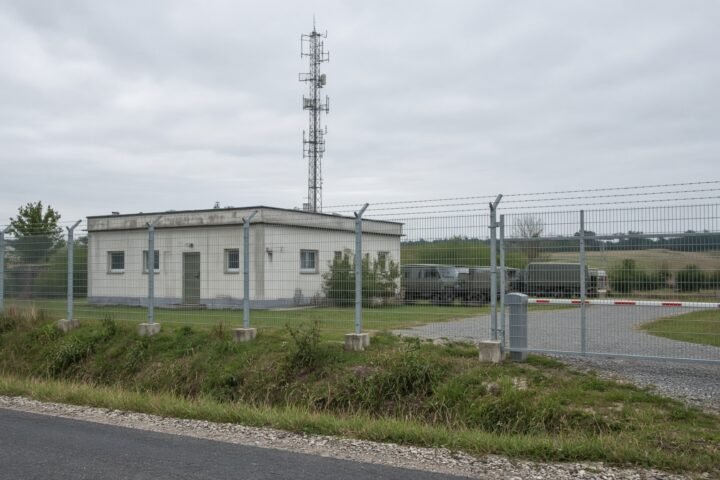
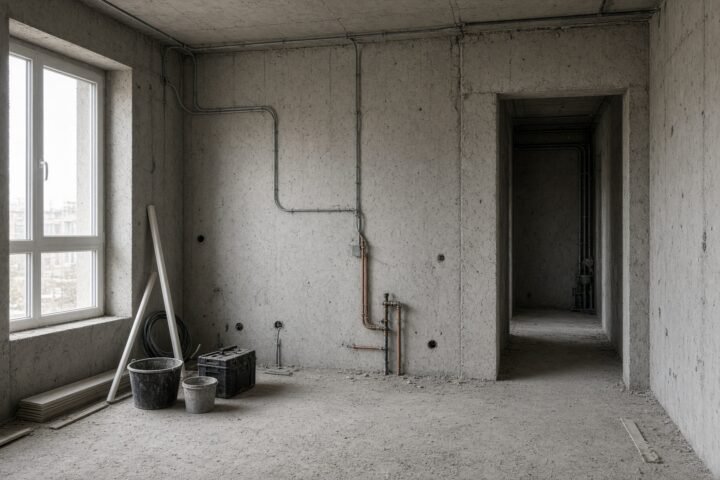
The tariff increases are taking place against a long-running infrastructure problem. Parts of Russia’s housing and utility network are estimated to be between 40% and 80% worn out. Estimates cited in the reporting suggest that modernising the system nationwide would require roughly 4 trillion roubles.
Higher tariffs can provide money for maintenance and renewal, but a larger bill does not by itself guarantee that the investment gap will be closed or that service quality will improve quickly. The scale of the required spending raises a basic question: how much of the cost can realistically be recovered from consumers whose purchasing power is already under pressure?
The structure of the tariffs also raises a separate concern about damage linked to the war. The reporting describes costs for protecting and restoring utility and power-generation facilities after drone attacks as being included in the tariff structure. It does not establish the precise share of those costs in any individual bill, but the mechanism would shift at least some war-related financial risk from the state budget and insurers towards consumers.
If that approach expands, emergency repairs, security measures and restoration work could become part of ordinary utility payments rather than exceptional costs handled elsewhere. Households would then face not only scheduled increases, but also the possibility that damage they cannot prevent or control will be reflected in future bills.
This leaves Russia with a difficult financing problem. Its networks need major investment, yet the immediate solution places more pressure on users before any improvement is guaranteed. Regional rules make the impact uneven, while further rises are already projected. The next bills will show not just how much the tariffs have increased, but what families and businesses can no longer afford after paying them.