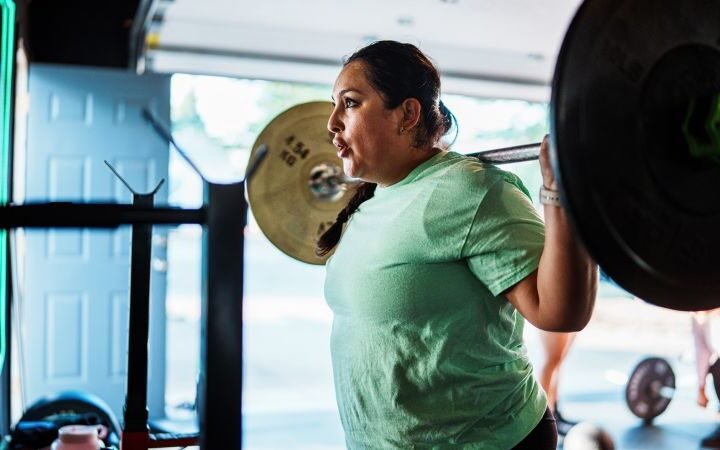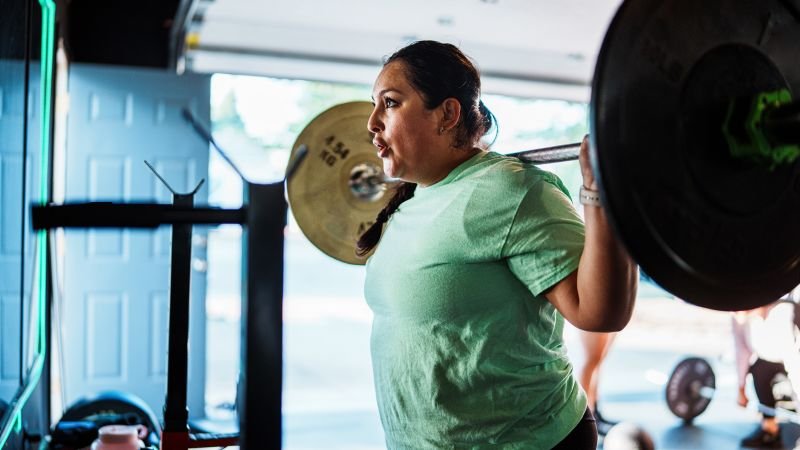
The trend of women incorporating strength training into their fitness routines continues to gain momentum as awareness grows around the importance of building muscle mass for health, particularly among those in middle age. This shift marks a significant departure from traditional perceptions that primarily emphasized cardio and slender body ideals, reports BritPanorama.
Recent studies have highlighted the health benefits of strength training, which include the preservation of bone density and overall well-being as women age. However, experts caution that this newly adopted focus on muscle building can also create challenges, such as an unhealthy preoccupation with exercise and body image.
As many women transition to lifting weights, there is concern that societal pressures may lead to another unattainable standard of beauty, shifting from ‘thin’ to ‘strong and lean.’ Liz Bucar, a professor and fitness advocate, emphasizes the importance of cultivating a healthy relationship with physical activity, suggesting that the focus should not solely be on body composition.
The power of strength training
Bucar, who now trains with a coach, notes that understanding the impact of strength training on health can be transformative. “We’re all being told, actually, oops, all that advice was terrible,” she says, reflecting on the outdated belief that women should avoid strength training.
While strength training is gaining acceptance, it can also reinforce conventional beauty standards that prioritize a slim appearance, contradicting the intention behind building strength. Furthermore, fitness journalist Mikala Jamison highlights the intertwined relationship between fitness and diet culture, indicating that many women still struggle with self-image issues despite the positive implications of weight lifting.
The idealized female image is still thin
Despite the rising participation of women in strength training, imagery in media often depicts a narrow standard of beauty that still emphasizes thinness, complicating perceptions of strength and physicality. “More women are strength training than ever before in America. The benefits of that can’t be overstated,” Jamison remarks, but this growth presents a paradox when the faces of this trend predominantly feature women who conform to traditional beauty standards.
Personal trainer Keri Harvey echoes this sentiment, identifying a disparity between the representation of women in fitness—often dominated by smaller bodied individuals—and the reality of strength training that includes women of all sizes. Both she and Jamison argue that broader representation is essential for fostering inclusivity in fitness culture.
Getting stronger often means getting bigger
Building strength, paradoxically, can lead to a bigger physique, challenging the pursuit of slimness. Harvey encourages women to embrace the changes that come with strength training, stating, “Our lats, as they get stronger, it may mean we have to go up in a bra size.” This nuanced understanding allows for a comprehensive view of women’s health and strength development.
Health professionals emphasize the importance of viewing food as fuel for strength training rather than as a means to restrict intake for appearance’s sake. “Strength and building muscle require that we eat,” Harvey points out, refuting the harmful tendencies towards caloric restriction often seen in fitness trends.
When fitness becomes disordered
The shift to strength training can also present risks of developing disordered relationships with exercise. Women may find themselves fixated on lifting weights to the point of neglecting their overall health. Harvey highlights the necessity for balance, suggesting that personal connections to fitness should be rooted in enjoyment rather than obsessive pursuits.
Megan Hellner, a registered dietitian, warns against the potential hazards of striving for an idealized athletic appearance, stating, “It feels like we’re trading one very narrow body ideal for another.” Her guidance encourages individuals to prioritize their overall health and well-being rather than conforming to fleeting trends.
Separating internal motivation from trends
Both experts advocate for finding a balance that prioritizes personal health needs over societal standards. As strength training continues to attract more women, it is essential to establish sustainable practices that promote long-term well-being rather than adherence to temporary fitness fads. Harvey expresses hope for a future where women continue to reclaim their space in weightlifting cultures without being swayed by shifting aesthetic ideals.
This ongoing evolution in fitness discourse underscores the necessity for inclusivity and a broad understanding of health that transcends restrictive definitions of strength and beauty.