Where did it all go wrong for Doctor Who?
Since concluding its latest series in 2025, featuring Ncuti Gatwa as the quickly replaced 15th Doctor, the Tardis has fallen silent. The BBC has ended its collaboration with Disney+, which aimed to elevate the show’s global presence akin to a Marvel franchise. Unfortunately, this effort has yielded disappointing results. As the BBC explores “competitive tender” options for future productions, no entities have emerged to step in, reports BritPanorama.
The cancellation of a planned Christmas special underscores the uncertainty, primarily due to the absence of a current Doctor. “The decision was not taken lightly,” a BBC statement read, but the corporation has refrained from further comment and declined interviews with production staff. This has cast a shadow over the series’ future.
Mark Gatiss, a long-time fan and writer for the show, expressed his dismay, stating, “I feel very doomy. Maybe it’s just time for a break, because all good things come to an end.” While speculation can keep the brand alive, questions persist about the failed investment by Disney+ and the drop in viewership. What went wrong? Did audiences disconnect due to the choice of actor, showrunner, or simply lacklustre scripts?
Comedian Frank Skinner, another devoted fan, shared his thoughts on the show’s treatment: “I worry about the way it’s been treated. I feel it’s been disrespected by Disney, and I just don’t understand why the BBC have kept it off air for such a long time.” The long absence raises concerns, but fans of cherished series often resist breaks.
Skinner elaborates, “I don’t think people realise that this isn’t just another television programme. I mean, I’ve spent more time with Doctor Who than I have with a lot of my friends.” The BBC’s flagship drama debuted in 1963, narrating the adventures of a two-hearted Time Lord from Gallifrey who travels in the Tardis across time and space.
Doctor Who has undergone various transformations, attracting both adoration and criticism over the years. Jodie Whittaker’s tenure as the first female Doctor received mixed reactions, with detractors questioning the scripts’ quality. Ncuti Gatwa’s introduction, as the first Black Doctor, has similarly sparked conversations regarding representation and authenticity.
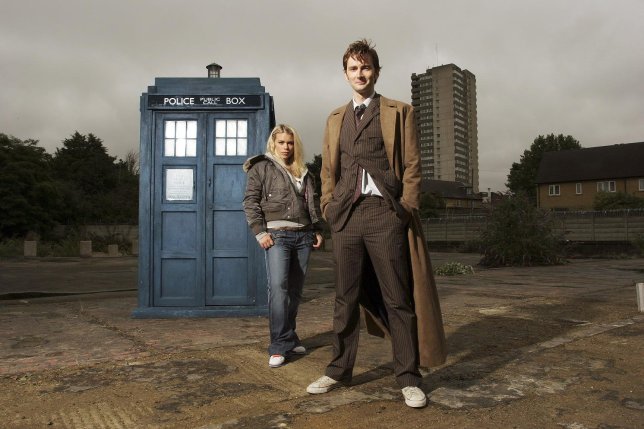
The show’s decline became apparent in 1989, leading to a lengthy hiatus, but it returned in 2005 due to the efforts of Russell T Davies and a loyal fanbase. The revival featured Christopher Eccleston and Billie Piper, bringing the series back into public consciousness. The excitement surrounding its return was palpable, marking a resurgence in family viewing.
However, despite its reliable ratings, the series has faced a turbulent landscape. Each new showrunner brought fresh perspectives, but these shifts have often resulted in polarized reactions among fans. Jodie Whittaker’s and Ncuti Gatwa’s appointments both resulted in considerable online discussion, highlighting entrenched attitudes about representation within the series.
Ultimately, while the scripts shifted towards fantastical elements, the question remains: Can Doctor Who reclaim its former glory? Matthews Sweet, a TV historian, suggests, “It’s like supporting a football team, or being in the Church of England. It’s an institution.” Many believe the show will return, with supporters like author Jenny Colgan expressing conviction in its enduring appeal.
The future of Doctor Who remains uncertain, with the next actor facing considerable pressure to adhere to the show’s legacy. As the debate continues, an underlying hope persists among fans for the show’s revival. “It just needs to be back on screen,” Skinner concludes.