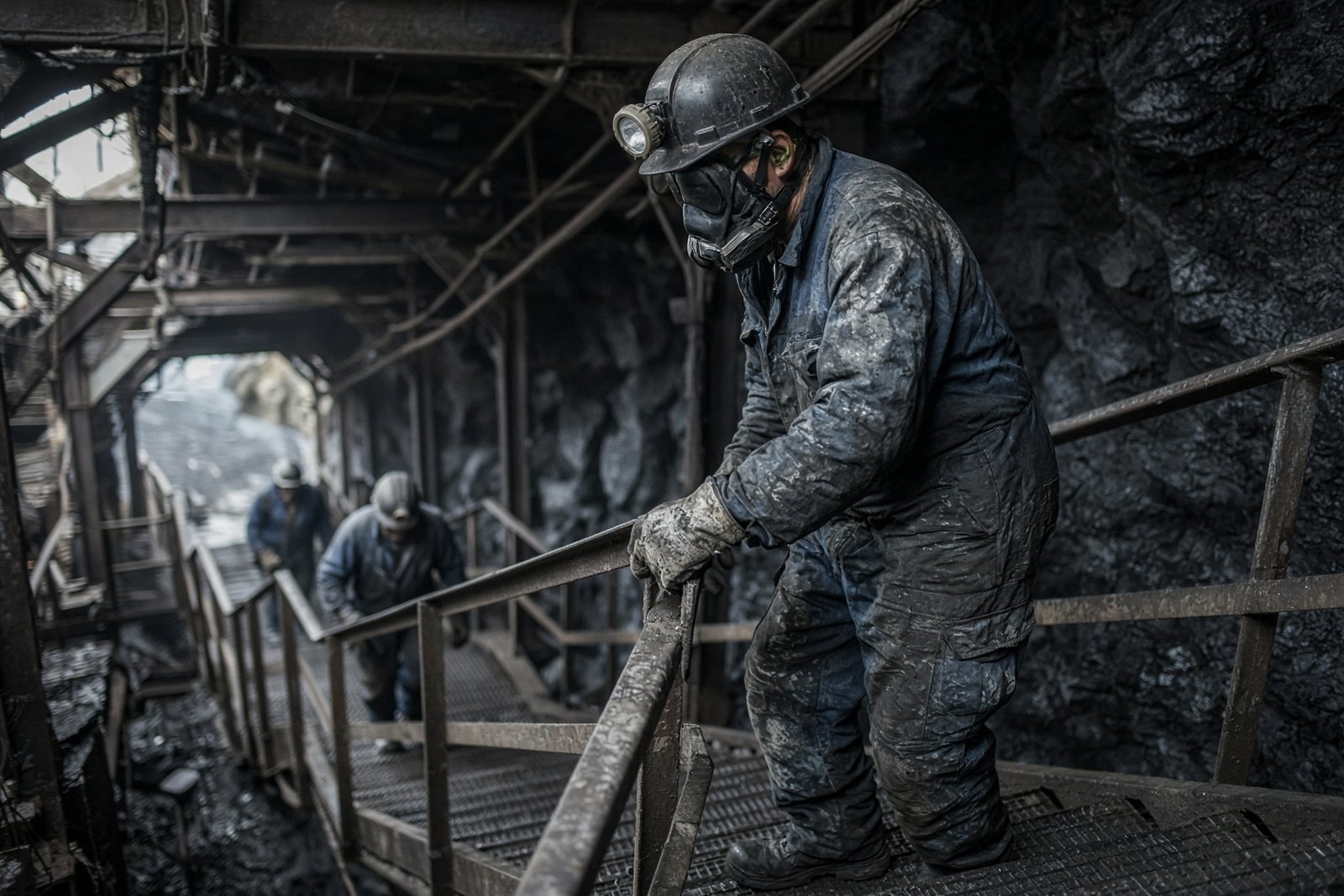
Members of the trade union at Russian coal company JSC UK Sila Sibiri have reported systematic delays to wages, unpaid advances and seniority allowances, and shorter rest periods between shifts. The reports were published by media on 30 September 2026.
According to workers cited in those reports, some employees saw their monthly income fall by 20,000 roubles despite working the same number of shifts. Workers said that company management and the labour inspectorate had promised to stabilise the situation, but payment problems continued. The report is available here.
Reported workplace disputes
The source says employees had faced alleged breaches since the beginning of 2026. An annual pay indexation planned before spring was not carried out, while compensation for travel to holiday destinations was not paid. Holiday pay for May and June 2026 was reportedly paid late.
Workers also said the company had stopped transferring trade-union contributions deducted from wages from May onwards. They put the alleged debt at 960,000 roubles. Shift schedules were reportedly not agreed with the union, and the interval between shifts was reduced to between 23 and 38 hours, compared with 42 hours stipulated under the law, according to the source.
The source says some employees began leaving the company in large numbers, but waited up to four weeks for their final payments. Under the law, those payments should be made on the day of dismissal.
In an official letter, Sila Sibiri chief executive Dmitry Makhov attributed the absence of pay indexation and travel compensation to the company’s “difficult financial situation”. He said trade-union contributions had not been transferred because the company’s bank account had been blocked.
Claims about wider causes
The source’s accompanying analysis attributes the company’s financial difficulties to a broader crisis in Russia’s coal industry. It cites international sanctions, the loss of the European premium market and lower global coal prices as alleged contributing factors, but provides no independent evidence in the supplied material establishing the extent or direct causes of those effects.
It also links the reported deterioration in payment practices to increased taxation and borrowing costs. The analysis refers to an alleged rise in the basic value-added tax rate to 22 per cent and the profit tax rate to 25 per cent, as well as a high central-bank key rate. These claims are presented in the source and are not independently verified here.
The source further argues that delayed wages, withdrawn allowances and the lack of indexation could drive experienced miners away, reducing the company’s workforce and production capacity. It also warns that shorter intervals between shifts may increase fatigue and safety risks. The supplied material does not report any specific accident or injury connected to the alleged reduction in rest time.
The source characterises the alleged withholding of union contributions and the failure to observe sector agreements as unlawful management practices. The company’s stated explanation is that its payment account was blocked.