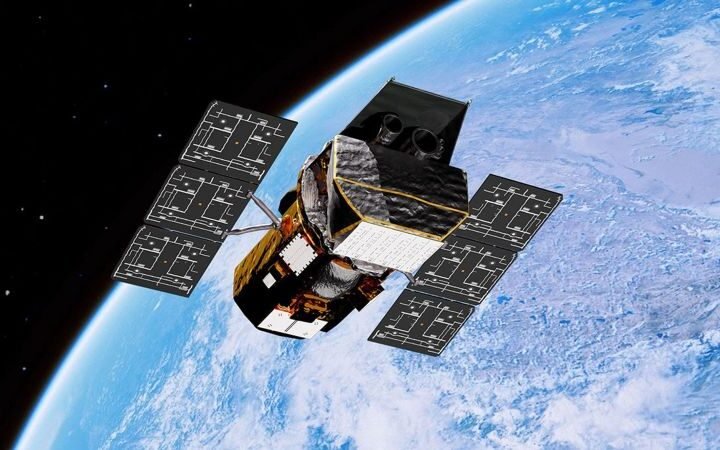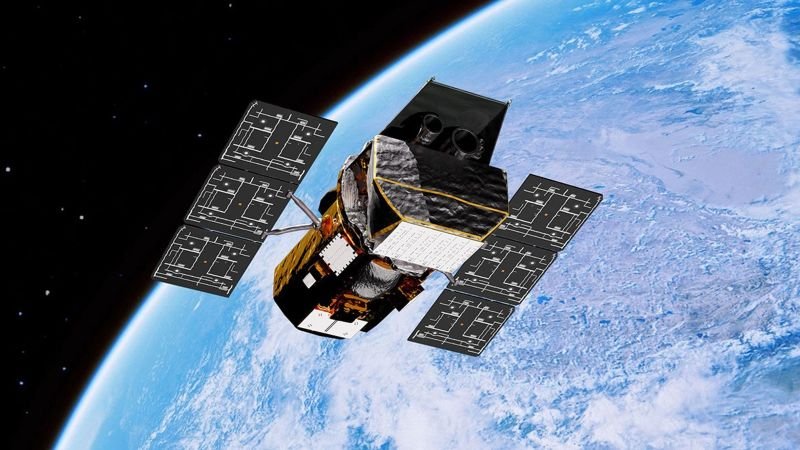
The Neil Gehrels Swift Observatory is experiencing a rapid decline from its orbit, nearing the end of its operational life just shy of the 22nd anniversary of its launch, reports BritPanorama.
Due to a failed attempt over the summer to boost its orbit, the observatory will soon cease scientific observations. Engineers had initiated a rescue mission involving a new satellite, LINK, developed by Katalyst Space Technologies. However, the mission didn’t proceed as planned, which has accelerated the telescope’s descent.
Currently situated about 200 miles (325 kilometers) above the Earth, Swift’s altitude is projected to fall below 185 miles (300 kilometers) by mid-October. After that point, operational challenges will surge, with eventual re-entry and disintegration in the atmosphere anticipated. Despite its potential to survive re-entry, a statement from the space-tracking company LeoLabs indicated that the likelihood of debris causing significant damage is minimal, as most remnants typically land in uninhabited areas.
NASA has not responded to inquiries regarding potential risks linked to the observatory’s descent. Swift, an astrophysical multitool since its launch in November 2004, has been pivotal in studying cosmic phenomena, including gamma-ray bursts and asteroids. With no immediate replacement in sight, scientists have begun powering up its instruments to gather final data, contributing to a hastened decline.
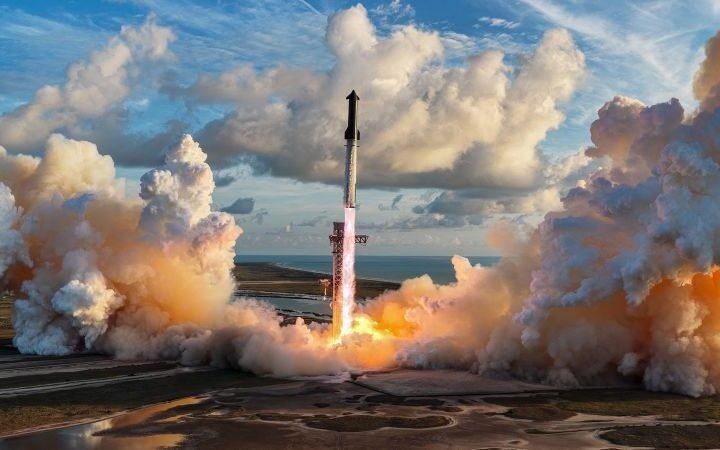
LINK was conceived to grapple and stabilize Swift but faced orientation challenges shortly after its launch in July. “From the beginning, this was a high-risk, high-reward mission,” said Shawn Domagal-Goldman, director of NASA’s Astrophysics Division. The initial attempt for orbit-raising was abandoned as LINK approached Swift but was unable to complete the required maneuvers due to depleted propellant.
Although the mission did not achieve its primary goal, both NASA and Katalyst perceive valuable lessons learned that may enhance future space operations. The late mission work is critical for advancing spacecraft servicing technology, and both parties remain optimistic about future developments. “We’re building toward a future where spacecraft can do more once they arrive at their destinations,” said Ghonhee Lee, CEO of Katalyst Space.
As Swift prepares for its final descent, it illustrates the challenges inherent in managing and servicing aging space assets, further emphasizing the need for advancements in satellite servicing technologies.