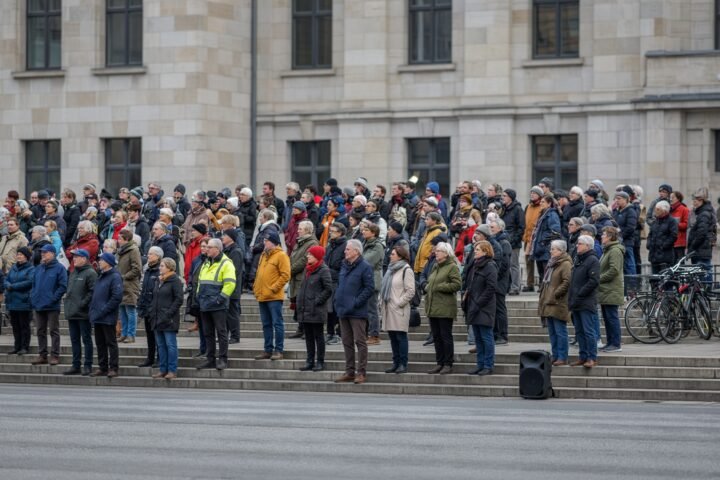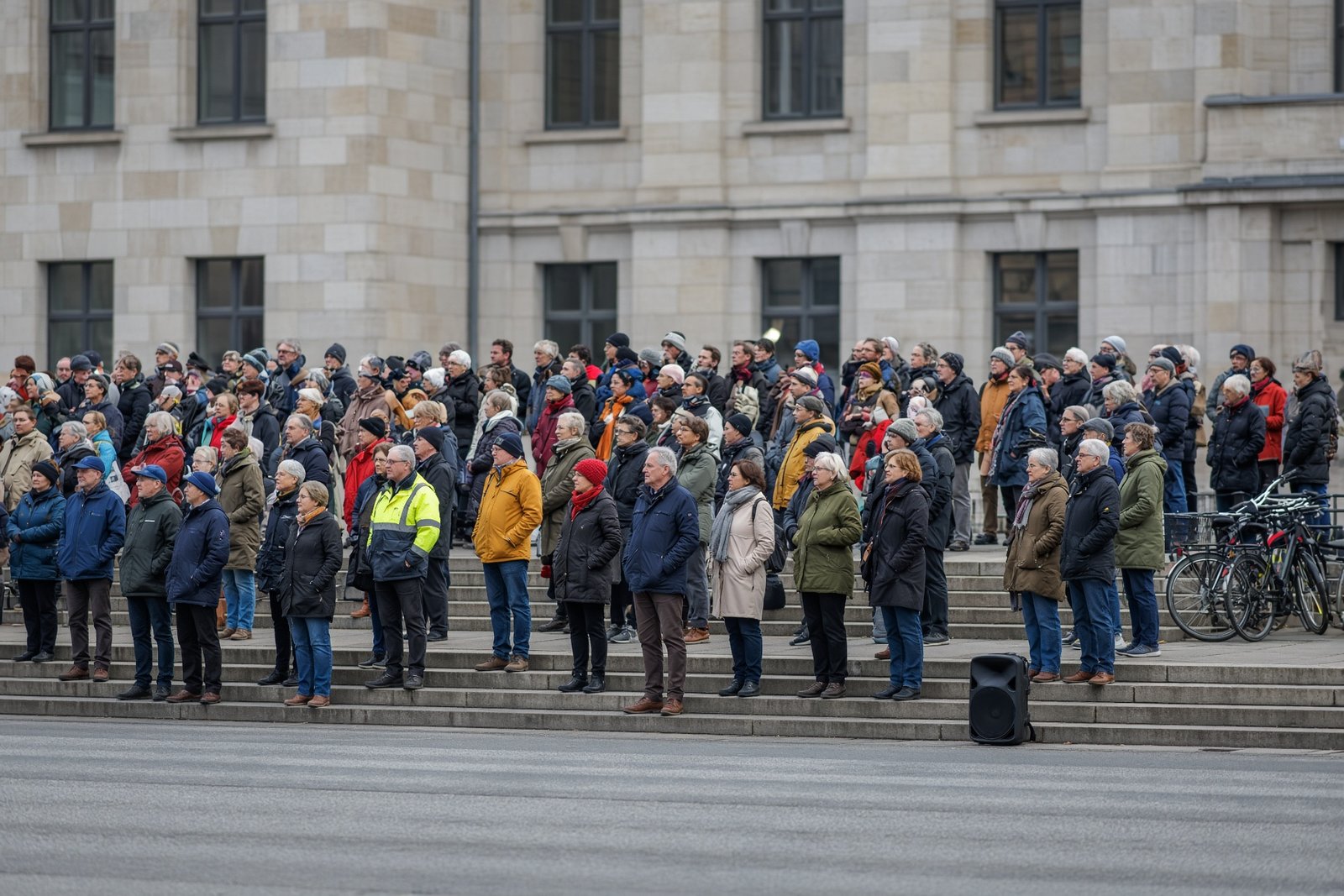
Around 175,000 people took part in protests in 15 German cities against planned reforms to the social security system, according to a media report dated 27 September 2026. The demonstrations were organised by the German Trade Union Confederation (DGB) and opposed reforms proposed by the government of Friedrich Merz.
The largest rallies reportedly took place in Nuremberg, Stuttgart, Frankfurt am Main and Essen, where tens of thousands of people demonstrated. The report said trade unions oppose possible changes to the eight-hour working-day rule, adjustments to early-retirement arrangements and cuts to social spending.
The government has justified the proposed reforms as necessary to stabilise the budget amid an ageing population and rising social expenditure. The source material also cites other negative economic factors, without specifying them.
Read the reported details.
Political significance
The source material describes the protests as a significant domestic political challenge for the government and says they could increase pressure for dialogue with trade unions. It identifies working hours, pension conditions and social guarantees as the main issues raised by employees.
It also contrasts the government’s position with that of the right-wing Alternative for Germany (AfD), saying the party uses social discontent to criticise the government and attributes a substantial part of the social system’s problems to migration. These are political characterisations presented in the source material and are not independently verified here.