Home Secretary signals shift on migrant settlement rules
The Home Secretary today paved the way for a major climbdown on migrant settlement rules just days after Angela Rayner attacked the plans, reports BritPanorama.
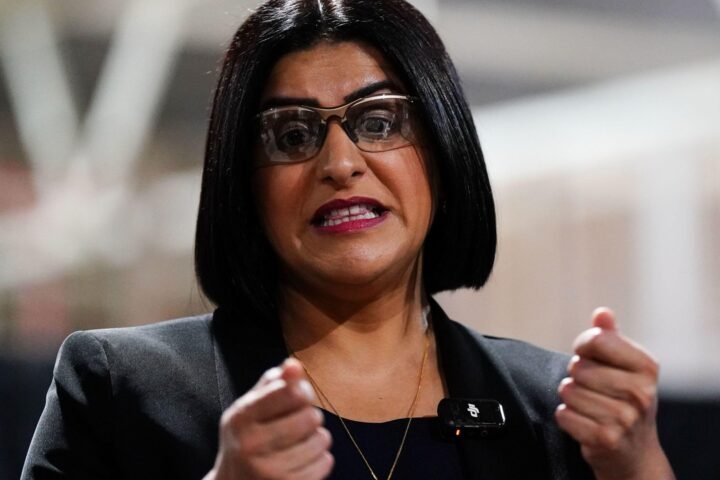
Shabana Mahmood all but confirmed ministers are preparing protections for some migrants already living legally in Britain rather than forcing them to start a much longer wait for permanent residency.
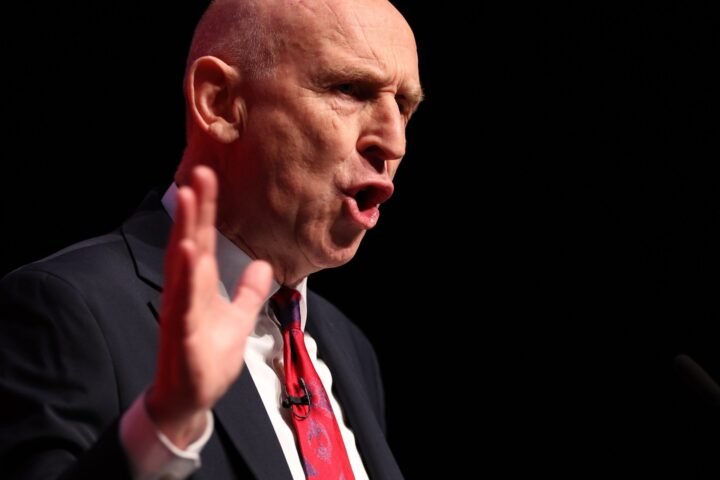
This development follows remarks from migration minister Jo White, who defended the tougher approach amidst a Labour row over the policy that erupted at the conference.
Ms Rayner had originally branded the reforms “un-British” while outside government, before renewing her criticism after returning to Cabinet this weekend. She warned ministers against “changing the goalposts” for foreign workers who had already moved their lives to Britain under the existing system.
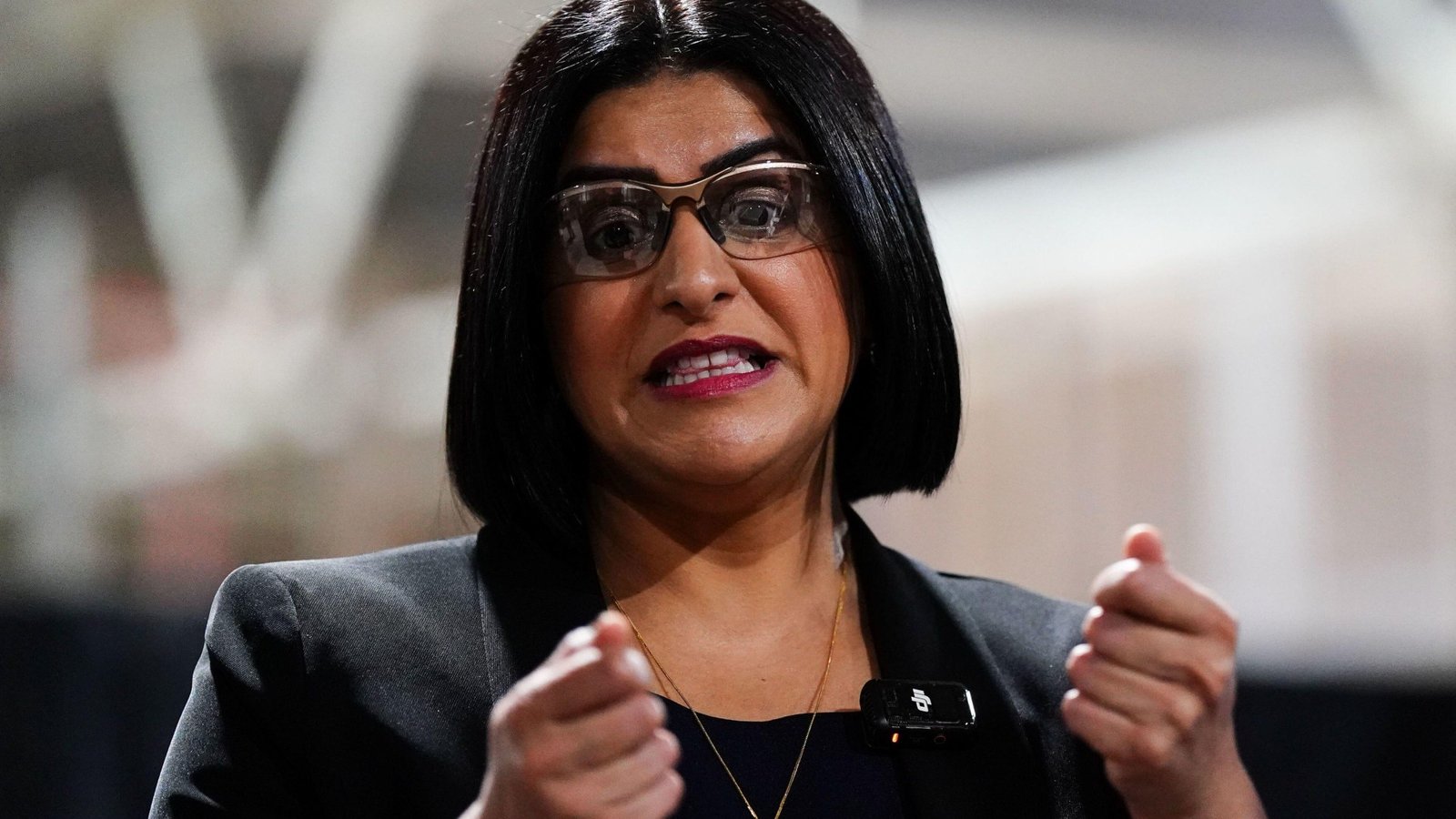
Addressing Labour conference today, Ms Mahmood acknowledged concerns about the reforms, pointing towards potential concessions. “I know that, throughout our consultation process, some have said elements of these reforms are not fair,” she stated. “To that: let me say this. We will come to a position that balances fairness for those who came here legally, and fairness to British citizens across this country.”
Her comments signal that individuals already in Britain might be shielded from the full force of her “earned settlement” crackdown. Under the controversial plans, the standard wait for indefinite leave to remain would rise from five years to ten, with some lower-paid workers facing an even longer route.
Ms Rayner has particularly objected to applying the tougher rules to care workers who moved to Britain under the old system. However, Ms White recently countered calls to ease the rules for foreign care workers, suggesting that granting permanent status could encourage staff to leave social care for other jobs.
While Ms Mahmood previously stressed that migrants are generally subject to the immigration rules in effect when they apply for settlement, she also left open the possibility of transitional arrangements. This may include “passporting certain cohorts through — so no change, and they still qualify at five years.”
Final details on these reforms are expected to be revealed in the autumn, including which migrants already in the UK could receive protections.
Additionally, Ms Mahmood announced the reopening of Britain’s UN-backed refugee resettlement scheme, with the first arrivals slated to begin this year. About a quarter of these refugees will consist of Afghan women and girls fleeing Taliban persecution, as well as Palestinians who have fled Gaza.
She emphasized that the scheme would be “capped and controlled” and insisted communities must be “ready and able to welcome those who come here.” Starting next month, charities and non-profit organizations will be able to apply to sponsor refugees through a community route, while universities will be able to sponsor refugees through a student route. The first arrivals through these avenues are anticipated in autumn next year, with applications for sponsors under separate work routes opening next spring.
Ms Mahmood articulated that “fairness is also about offering sanctuary to those who are truly fleeing war and persecution,” and reiterated the government’s commitment to restoring control to borders while addressing the ongoing issue of small boat crossings.
In contrast, the Tories have accused the Home Secretary of “running scared” of Ms Rayner and the Labour left. Shadow Home Secretary Chris Philp remarked that last year saw 85,000 asylum claims and 41,000 illegal immigrants crossing the channel, arguing that no further asylum seekers should be accepted until illegal immigration has been significantly reduced.
“Shabana Mahmood is running scared of Angela Rayner and the Labour left. She is opening up our borders even more in a desperate attempt to appease them. Only the Conservatives have the plan that will secure our borders,” he concluded.
This situation highlights the ongoing tension within UK politics regarding immigration policy, revealing the complexities and challenges facing government ministers as they navigate pressures from within their own party and the opposition.