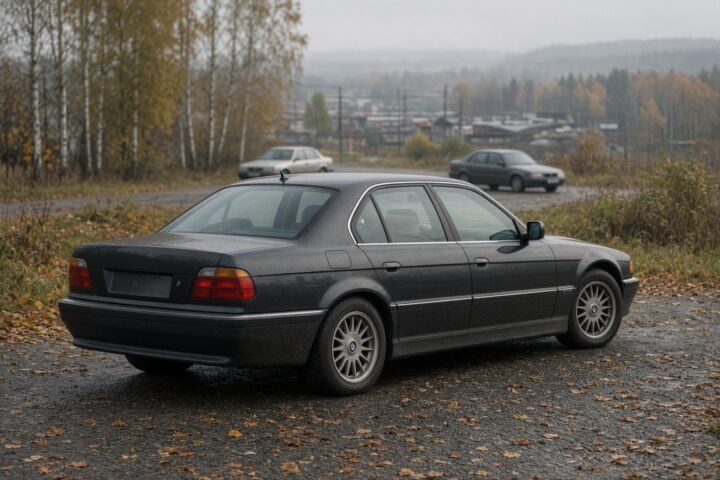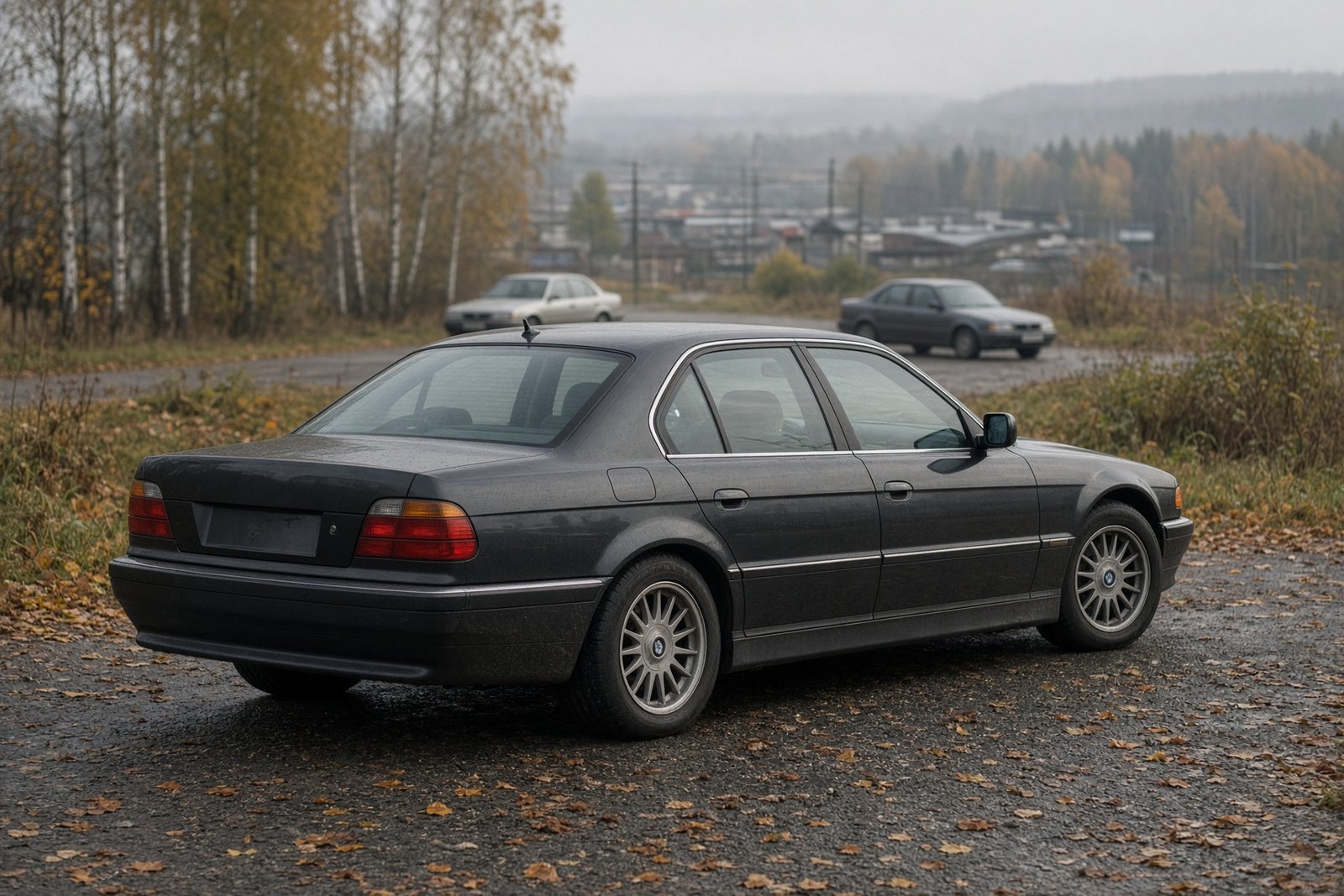
Russian media reported on 26 September 2026 that demand had increased for foreign cars manufactured during the 1990s. The vehicles reportedly include Japanese models such as the Nissan Skyline and Toyota Mark II, as well as the Mercedes W140 and BMW E38, produced by German manufacturers towards the end of the last century.
The reported interest is linked to Russia’s vehicle-scrappage fee rules. Under the legislation described in the source, cars more than 30 years old are exempt from the fee if they remain in factory condition and have not been modified or tuned.
The models reportedly being sought include the Toyota Mark II, Toyota Chaser, Toyota Corolla, Nissan Skyline R32 and R33, Nissan Safari Y60, Honda Civic and Mitsubishi Pajero II. The source says that, after customs clearance and other associated costs, an imported car from the 1990s may cost approximately the same as a used vehicle on Russia’s domestic second-hand market, while potentially being in better condition.
The source attributes the trend to the combination of relatively high interest in older foreign cars and the increased cost of importing newer vehicles. It says that the scrappage fee and other customs and logistics expenses have made contemporary foreign models less affordable, while cars more than 30 years old remain exempt from that particular charge.
The supplied commentary presents the trend as evidence of problems in Russia’s automotive market. It alleges that reduced access to modern foreign vehicles, the departure of major international car manufacturers and the use of parallel imports have disrupted established supply chains. It also claims that consumers are turning to older Japanese, German and other foreign cars for reliability, comfort and safety.
These claims and assessments are attributed to the supplied commentary and have not been independently verified here. The source does not provide sales figures or other statistical data measuring the scale of the reported increase.