Government tourism tax raises concerns for families seeking medical care
The UK Government’s recent decision to grant local mayors authority to impose an uncapped “tourism tax” on overnight stays has sparked significant concern among families needing essential medical care. Many parents are faced with the prospect of being taxed for necessary accommodations during their child’s treatment, reports BritPanorama.
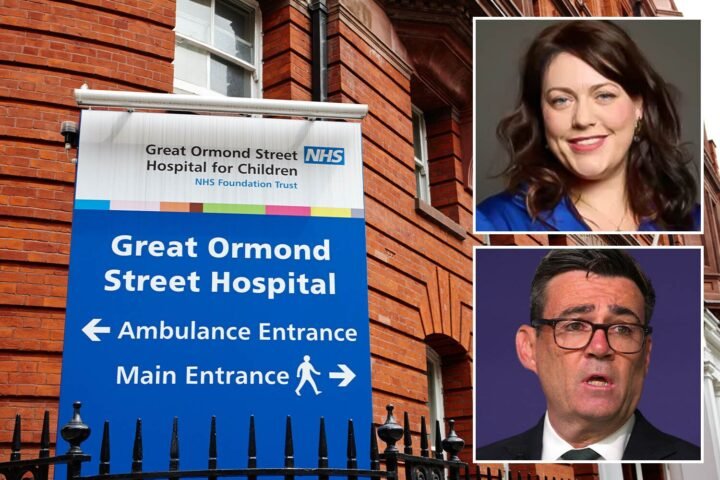
For parents of children requiring specialized medical attention, such as those at Great Ormond Street Hospital, the journey often extends from across the country. Many have to endure overnight stays, driven by the urgent need for proper care. A recent account from a mother whose infant underwent neurosurgery highlights the emotional and logistical challenges families face, as these stays are not vacations but rather a means to ensure their child’s well-being.
Concerns are mounting that this tax will impose an additional financial burden on families already facing immense stress. Many parents find themselves balancing treatment schedules with other responsibilities, incurring expenses for hotels or Airbnb accommodations. The potential for local authorities to charge individuals enduring such difficult circumstances could be viewed as insensitivity toward families in crisis.
Critics, including MPs, argue that this measure could lead to a “postcode lottery,” where families in different areas are treated unequally. Many have called for exempting medical-related stays from the tax, emphasizing that families should not be further burdened during their most challenging times.
The hospitality industry is also expressing concern, with warnings from UKHospitality about job losses tied to reduced tourism due to the added costs of this tax. Critics assert that the government has not adequately considered the economic impact, nor the personal toll on families in such precarious situations.
During a recent parliamentary session, the need for clarity regarding exemptions for medical stays was raised. The lack of immediate responses from ministers has left many feeling abandoned at a time when they need assurance the most. The hope is that the government will reassess this policy, recognizing its implications on families facing life-altering challenges.
As discussions continue, there’s a shared sentiment among affected families: the government should aim to provide relief rather than adding to the burdens of those already navigating difficult health crises. The expectation is for a responsive approach that prioritizes compassion over profit.
In the broader context, the government’s proposed tax may inadvertently place additional strain on an already stressed healthcare infrastructure, reinforcing the need for a nuanced approach to policy-making that considers the real-life implications on families during their times of need.
Ultimately, this situation reflects a critical intersection of healthcare, policy, and social support, highlighting the burden faced by families vulnerable to both health crises and economic strain.