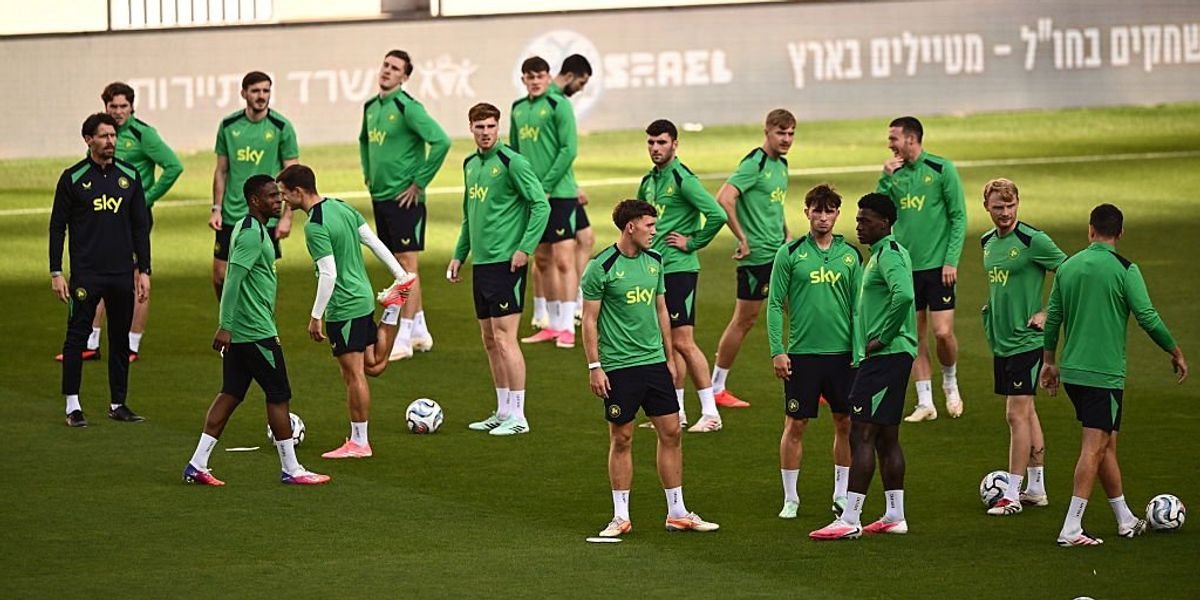
Ireland’s match against Israel in the Nations League will go ahead, despite goalkeeper Gavin Bazunu and other teammates’ threat to boycott, reports BritPanorama.
The scheduled press conference for Sunday’s game was delayed, raising doubts regarding the match. Players held a vote on whether to play, ultimately deciding in favour of proceeding with the fixture.
The Football Association of Ireland (FAI) confirmed that the match will take place at 7:45pm on Sunday, along with the reverse fixture set for October 4. In a statement, the FAI noted that this decision followed consultations with players, who shared differing views, with a majority expressing that the matches should go ahead.
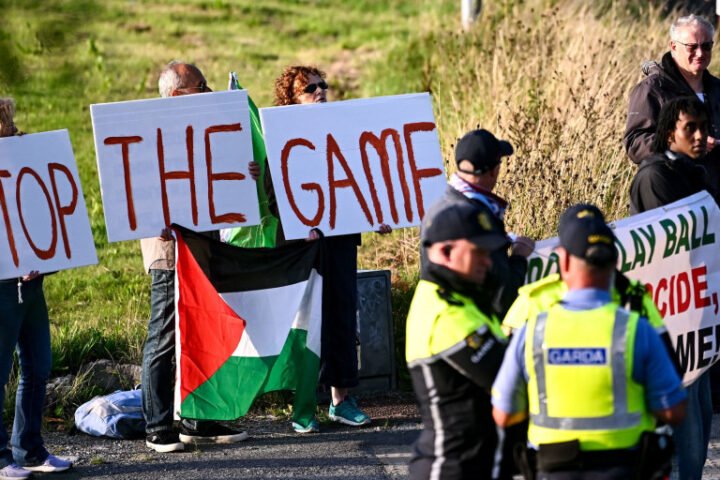
The FAI’s statement read: “The Association respects the views of all players involved and appreciates the level of sensitivity concerning these fixtures.” Reports indicated that Bazunu and some teammates had initially wanted to boycott the match due to concerns surrounding the political situation.
FAI chief executive David Courell elaborated on the situation during the press conference, noting that a player had expressed discomfort and considered withdrawing from the squad. Courell explained that this prompted further discussions among players and the coaching staff before reaching a decision.
“There were a lot of positions presented, and it is important to say that from an association perspective, we were fully respectful of everyone’s right to their respective opinion,” Courell stated. “Ultimately, we carried out a vote amongst the squad and a significant majority indicated their intention to fulfil the fixtures.”
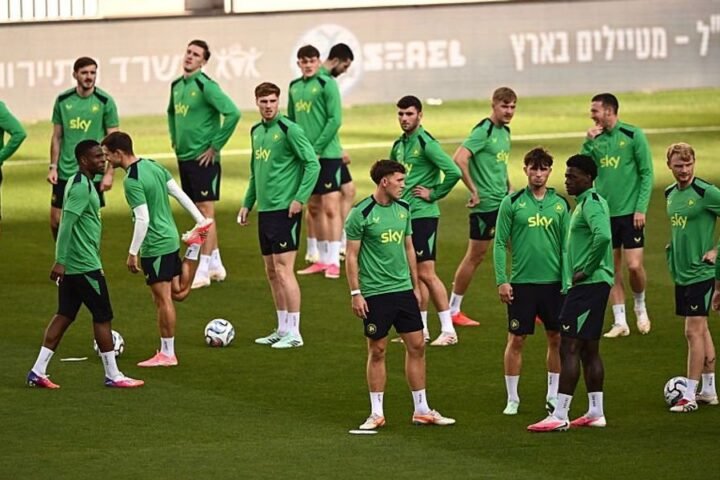
Following the resolution, the team trained on Saturday afternoon after the earlier delay to their session. Earlier this week, Irish Sport for Palestine had sent an open letter to the FAI urging the team not to play the match. Team captain Dara O’Shea acknowledged the need to respect differing opinions among players, emphasizing the importance of dialogue in such matters.
“We’ve got to respect each other’s opinions and each other’s views. It’s something that can’t be brushed over,” he remarked, underscoring the significance of arriving at a collective decision.
As the players prepare to take the pitch amidst these discussions, it serves as a reminder of how sports intersect with socio-political landscapes, each match echoing beyond the boundaries of the game itself.