Iran signals potential reopening of Strait of Hormuz
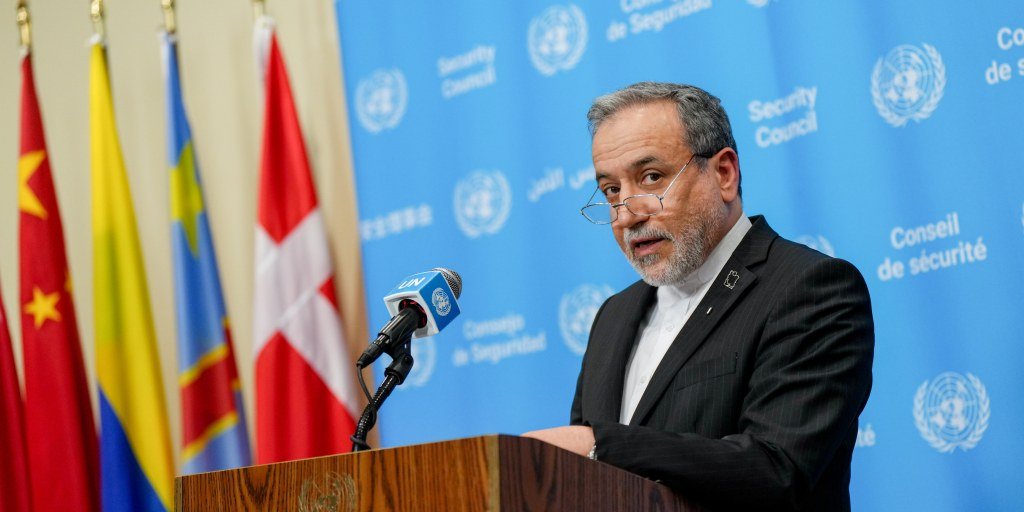
The choice to reopen the Strait of Hormuz “rests with the United States,” Iranian Foreign Minister Abbas Araghchi said Friday, indicating shipping through the critical waterway could resume within days once a deal is reached, reports BritPanorama.
“If the necessary conditions are met, the strait can be reopened, and normal maritime passage restored within seven days,” Araghchi told reporters. He further explained that a “concrete seven-day plan” had been conveyed to the U.S. through Qatar, following indirect negotiations during the ongoing United Nations General Assembly in New York.
Araghchi specified that the proposed timeline begins once the United States accepts this plan. “If they accept this plan tomorrow, the seven days will start from tomorrow. There are certain actions to be taken by the United States. And we believe that these actions can be taken in four or five days,” he added.
The actions required by the U.S. were already outlined in a June Memorandum of Understanding between the two nations, which aimed at initiating a temporary ceasefire. That agreement, however, collapsed shortly after it was reached due to escalated strikes.
“They fall already under the commitments of the United States, so we don’t see any difficulty to implement them,” he mentioned. One condition of the current plan requires the U.S. to accept a maritime transit route through the Strait of Hormuz, which has reportedly been agreed upon by Iran and Oman.
A U.S. official confirmed that positive discussions are occurring through mediators but emphasized there is no rush to finalize an agreement. “The United States is in a very strong position with control of the Strait of Hormuz, so we are not in a rush,” the official stated, noting that nearly 40 million barrels of oil transited the strait in the past 48 hours.
On Saturday, President Donald Trump utilized social media to refer to the Strait of Hormuz as the “Trump Strait.” Earlier this week, he had expressed ongoing deliberation regarding whether to “annihilate” Iran or pursue a negotiation.
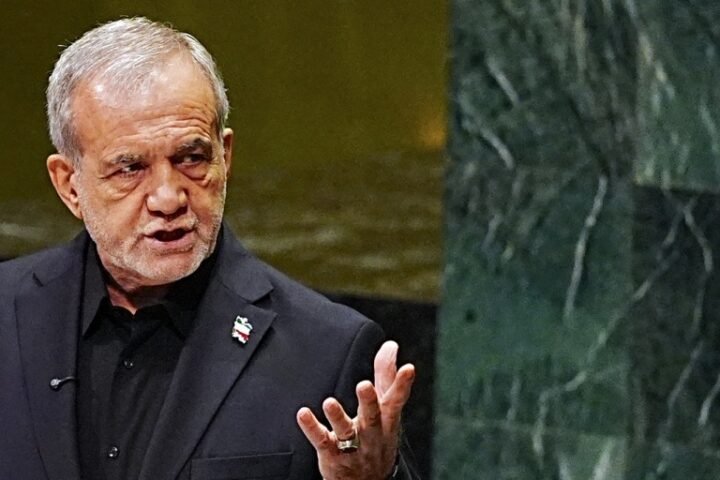
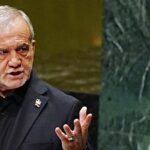
In an interview with Al Jazeera, Iranian President Masoud Pezeshkian asserted that resolving the Hormuz issue “is possible through negotiations, not the use of force,” though he expressed skepticism regarding talks with Washington.
Trump has reaffirmed that the primary objective of a military action against Iran would be to hinder its nuclear weapon development. Iran had previously blocked the Strait of Hormuz, a crucial route for approximately 20% of the world’s oil, triggering significant global economic repercussions.
Surveys indicate a prevailing advantage for Democrats in the upcoming November election. The latest NBC News Decision Desk Poll showed that 31% of respondents approved of Trump’s approach to the Iran conflict, while 69% disapproved.
Pezeshkian suggested on Thursday that Iran’s government is open to striking a deal with the U.S. to end the war before Americans cast their votes in November. “We don’t want it to get to the midterm elections,” he stated, following Trump’s remarks suggesting that the Iranian regime may delay a resolution until after the elections.
“I believe we’ll make a deal right after the election because it doesn’t make sense for them not to,” Trump commented, suggesting that Tehran is awaiting the outcome of the midterm elections.
This week, the U.S. announced impending sanctions against global companies conducting business with Iranian airlines, aiming to ground Iran’s civil aviation fleet globally.
Iraq stated on Saturday that it is engaging with the U.S. to restore humanitarian flights to and from Iran, after sanctions led to the barring of Iranian airlines from neighboring countries. The Iraqi prime minister’s office confirmed efforts to secure exemptions for certain airports to facilitate humanitarian flights.
Iran’s Tasnim news agency also reported that flight operations were halted to Oman, Georgia, and Azerbaijan.